Winter grain returns at record levels in some parts and livestock production keeps us on track for an outstanding 2022-23 season despite the impact of devastating floods for many

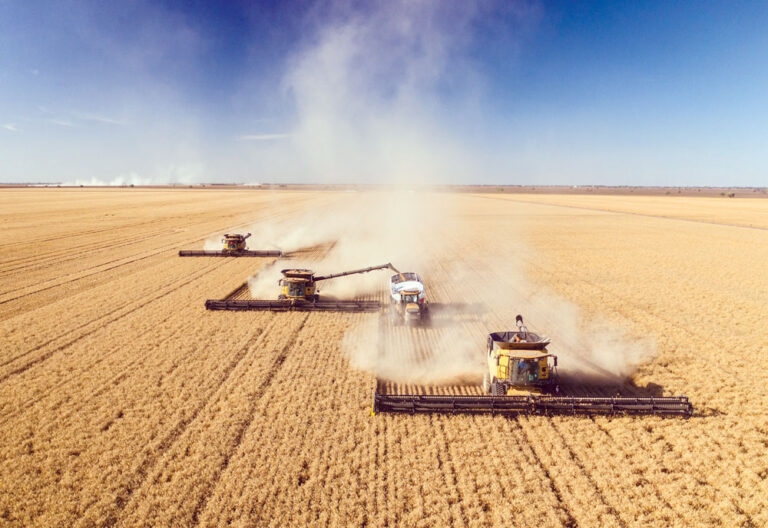
Grain growers are the shining light as farm returns reveal high yields for winter crops and estimate the sector could set new benchmarks in export returns of over $72 billion.
The gross value of agricultural production from 2022-23 is still estimated to be a near-record $85 billion, and that puts it just shy of the all-time record set last year.
Even with the devastating rain and flooding, the winter crop is still expected to be the second largest on record at over 62 million tonnes.
And livestock producers are not far away as well, and while holding overall production steady, the sector is expected to contribute $34 billon to the national total.
This outstanding result equates to more of our farm produce being sent into world export markets where it is expected records will be broken as exporters pocket over $72 billion from the 2022-23 season.
This season had everybody on a knifes edge as to what paddocks would be devastated by the endless spring rain that caused some of the worst flooding on record, as the zig zag of storm events went onto impact crop yields and quality in some parts but also saw growers in ‘dryer’ states harvest their best winter crops on record.
From the hapless weather events, it was growers in Western Australia and South Australia that experienced the most beneficial spring conditions, with total production in both states forecast to reach new record levels.

And not too far away from impressive returns are growers in Queensland where production is tipped to reach the second highest on record, and this is despite parts of the Darling Downs not being planted due to the impact of flooding.
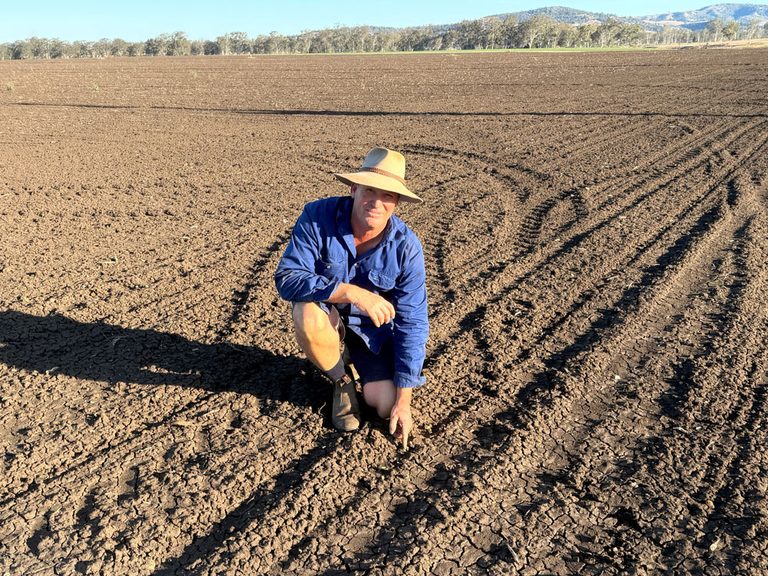
But for growers in other states, it was a matter of ducking a bullet as some low-lying paddocks their grandfathers only planted sparingly become flooded and water-logged to the level of impacting crop production with losses or stock fodder at best.
A big saving grace for many was the fact season 2022-23 was a record for plantings.
In Victoria the record amount of crop planted and the expected high yield levels in the Mallee and the Wimmera will almost be enough to offset crop losses in central and northern border regions.
However, the full picture of damage to crops from extensive waterlogging remains an unknown factor until the mills give a deliberation on quality.
More unfortunate than most were growers in parts of New South Wales, they bore the brunt of the damage from spring rains and subsequent floods that led to obvious crop losses. As a consequence, the total production for New South Wales has been revised down by 2 million tonnes since estimates were made on actual crop plantings.
Considerable uncertainty remains over winter crop harvest progress and grain quality for growers in both New South Wales and Victoria with the likelihood of downgrades in production value. And sleepless nights will haunt many growers with harvests in Victoria and New South Wales likely to run well into summer.
Overall, it appears growers in WA, SA and QLD will all come out on top, while there is still plenty of hope that other states will still achieve well above average returns for the 2022-23 season with those cropping on higher ground hardly stopping apart from rain storm interventions.

Production levels close to another record
With the value of agricultural production forecast to reach $85 billion from the 2022−23, it is just shy of the record set the previous year.
While the combined value of agriculture, fisheries and forestry production is forecast to reach $91 billion.
Following on from the time of crop plantings, extremely high rainfall and low temperatures have led to increases in crop production forecasts to a point where an additional $4 billion in crop value has been added to early estimates.
Grain and milk prices are forecast to average higher in 2022−23, and livestock prices while forecast to fall from extreme highs will still be at relatively high levels. Favourable conditions are also driving the continued rebuild of livestock numbers.
Unfortunately there will be some growers for whom seasonal conditions have created significant challenges and crop losses. Waterlogging and associated flooding has been widespread on the east coast for a second year, damaging winter crops and delaying harvest.
Flooding has also caused widespread logistical issues for supply chains – slowing livestock slaughter, shearing, milk production and deliveries of inputs. It is also likely that further severe weather events will occur over summer, so further challenges lie ahead.
Gross value of agricultural production and value of exports, 2010–11 to 2022–23


Record value from exports expected
The value of agricultural exports is forecast to reach a record of over $72 billion in 2022−23, mainly due to additional orders for locally grown grain.
The combination of high production and prices has seen our agricultural exports exceed $5 billion every month since November 2021. Exports have only previously beaten this mark once, in the month of December 2016.
Wheat exports alone have accounted for over $1 billion a month during 2022 (to September 2022). With world grain prices remaining elevated due to uncertainty surrounding exports from the Black Sea region, and persistent dryness in the United States, European Union, and Argentina.
Even when more neutral conditions return to overseas producers as La Niña conditions ease, it will take more than one season to replenish grain inventories.
Monthly exports agricultural, January 2016 to September 2022

Flooding dampens record result
Widespread flooding on the east coast cost some growers dearly as while there was damage to winter grain crops, the heavy rain also restricted planting of summer crops.
An early estimate for NSW indicates crop abandonment could be as high as 16% of the planted area, while losses of 7% are estimated for Victoria and 5% in Queensland.
Restricted paddock access for harvesting has also lead to production losses and quality downgrades for some growers, similar to those seen in NSW and Queensland last season.
Damage is also likely to have occurred to irrigated fruit crops in regions of Victoria and Queensland. Damage to infrastructure has also caused delays along food supply chains, contributing to consumer food inflation.
Flood extent Queensland and New South Wales

Sources: Water observations from space, Digital Earth Australia, NRM regions, ABS 2016, Catchment scale land use of Australia, ABARES 2021
It is still too early to give an accurate cost from flood losses, particularly given most crops are yet to be harvested. And even so, due to the complex nature of agricultural production systems, with yields normally determined over the course of an entire season rather than by a single event, insurance claimers will have their work cut out.
For example, in addition to crops destroyed or abandoned, the associated rainfall has also lead to quality downgrades for crops or delayed/reduced plantings for summer crops taht cannot necessarily be attributed to one specific rainfall event.
Total crop or livestock losses due to flooding have been generally isolated to low lying paddocks and riverine areas, so it’s fortunate the majority of agricultural land has not been directly affected.
Rising inflation adds to farm inputs
Widespread high inflation has accelerated for many of our major agricultural trading partners, eroding spending power and reducing consumer capacity for discretionary purchases.
And for our own economy food prices rose at the fastest annual pace in the September 2022 quarter since 2006.
There have been many contributors to this price increase beyond the effects of flooding and heavy rain on the east coast and rising energy prices.
Rising prices have not been limited to consumer goods. Farm businesses are also paying more for inputs. The prices of imported agricultural inputs have been rising sharply since mid-2021.
Prices for fertiliser, fuel, lubricants and chemicals have increased by 30% for chemicals to more than 100% for fertilisers. In contrast, over the two years to 2022-23, the wholesale prices of agricultural production are forecast to increase 11%, and the price of agricultural exports by 20%.
Import price indexes fertilisers, chemicals, fuels and lubricants
March 2015 to September 2022