The latest survey conducted by Rabobank has a sting in the tail not expected by many rural watchers at this point in time

With rural pundits focussed on the massive grain haul expected from the coming 2022-23 harvest and livestock prices at record levels, the latest Rabobank Rural Confidence survey paints a picture that not all with agree with.
It appears the survey was conducted at the time of rising input costs combined with fears of a foot and mouth disease incursion and those two factors weighed heavily on optimism of the farmers that participated in the latest quarter survey completed in August 2022.
It is almost astonishing that the farmer surveyed have chosen to ignore the likely new record for the winter crop harvest and at well above average prices, and further the record farm produce exports of season 2021-22 of $67.5 billion now predicted to increase to a new record $70.3 billion from season 2022-23.
Add to that all-time record farmland prices that almost no-one ever expected at this moment in time. Where even low-income producing properties have farmers walking away as multi-millionaires with record sales prices.
Catch a farmer on a bad hair day and sometimes it’s hard to see past your own nose, but nevertheless their soothsayer predictions have been noted for the record.
This is the information that was gathered for the Rabobank Rural Confidence survey in the last quarter.

The overall survey feeing
Despite extraordinary strength in farm balance sheets and the overall health of the sector following more than two years of high rainfall and exceptional commodity prices, more farmers now believe conditions are set to worsen over the year ahead rather than improve.
Results from the third quarter survey, released today, reveal it’s the first-time rural confidence nationally has moved into ‘negative’ territory since December 2019, with more farmers taking a pessimistic than optimistic view of the year ahead.
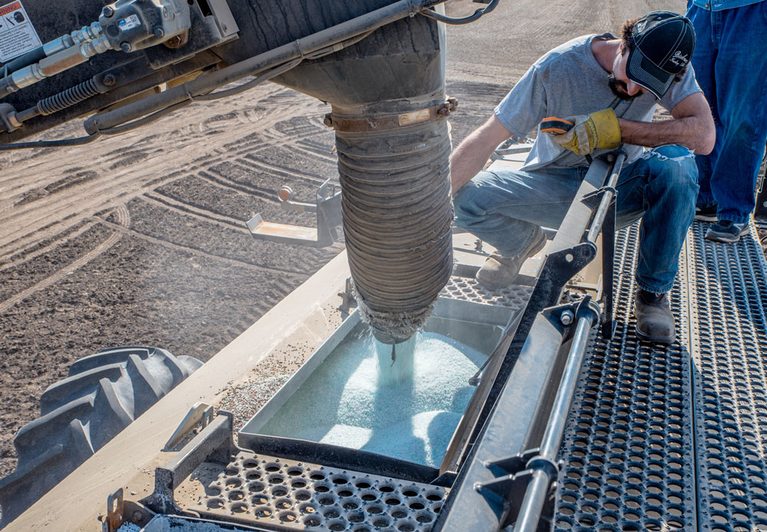
This can be attributed to the mounting cost of farm inputs like fuel, fertiliser, energy and building materials, as well as concern commodity prices are set to fall and a heightened threat of foot and mouth disease (FMD).
Optimism is strongest among cotton, dairy, sugar and grain producers, while mixed livestock producers were the most pessimistic group of those surveyed.
However almost half of surveyed Australian farmers said they believe conditions will remain the same as they currently are over the year ahead, which up till now have been overall very good.


What surveyed farmers said
In the latest survey, completed last month, found just 14 per cent of farmers nationally expect agribusiness conditions to improve on last year, down from 28% last quarter, while 43% expect current conditions to continue (was 52% previously).
The number expecting business conditions to deteriorate has risen to 36%, from 16% in June. Of those expecting conditions to worsen, 44% cited the rising cost of input prices, 40% blamed concerns about falling commodity prices while 39% said the threat of FMD had influenced their sentiment.
The latest survey results show that for those farmers tipping conditions to improve in the next 12 months, sustained above-average commodity prices were the dominant factor underpinning positive sentiment, followed by favourable seasonal conditions.
The survey found 85% of all farmers questioned nationally were extremely concerned about the threat of FMD and its potential impact on the Australian agricultural industry.
Rabobank Australia CEO Peter Knoblanche said while the nation’s farm sector was in a very healthy state financially, there were several challenging or concerning factors now clouding what was previously a largely overall positive outlook.
“Long term, I think farmers are still very confident about agriculture,” Mr Knoblanche said. “There is good domestic and worldwide demand for our rural commodities, productivity and profitability is high and farmers have done very well rebuilding after the drought and building greater resilience into their businesses.
“However, margins are starting to come under pressure from the ongoing rise in input costs, and farmers are carefully monitoring and managing those costs. And there is definitely some anxiety among livestock producers about the heightened threat of an FMD incursion, and the potential impact this would cause should it enter Australia.
“At a more localised level, ongoing wet conditions, especially in NSW and Victoria, have presented challenges for livestock and grains producers in specific regions.
“All of these factors combined are curbing optimism.”

The results from each State
Queensland producers expressed the highest level of optimism this quarter, with 19% expecting agribusiness conditions to improve over the year ahead (albeit down from 28% last survey) and 44% expecting stable conditions. Those tipping a worsening outlook rose to 31% (from 18% last quarter).
Concern around the impact of FMD underpinned the deteriorating sentiment, however investment intentions among the state’s farmers continue to be solid.
In South Australia, good late winter rain had not been enough to prevent farmer sentiment moving into negative territory for the first time in two years however 62% still expect conditions to improve or remain at current levels over the next year.
Rising input costs were listed by more than half of those SA farmers expecting conditions to worsen, however 74% of farmers still expect their gross farm income to remain or exceed this year’s level.
Excellent seasonal conditions and record dairy prices in Victoria are being offset by concerns around FMD and rising input costs, with 14% expecting conditions to improve over the year ahead (a drop from 31%); 38% expect stable conditions and 40% expect conditions to deteriorate.
While farm confidence has also dampened in Tasmania, the majority still expect conditions to be stable for the next year.
High prices across the state’s main commodities, combined with great seasonal conditions leading into spring, mean Tasmanian farmers have the strongest outlook of the states for increased income and investment in their businesses with 93% looking to increase or maintain their investment in the next 12 months.

For New South Wales, seasonal challenges from ongoing above-average rainfall, along with FMD concerns, are tempering sentiment with rural confidence also in negative territory for the first time since December 2019. While 43% of farmers expect little change to business conditions over the year ahead, just 13% expect conditions to improve (down from 28% in June) and 38% are tipping conditions to deteriorate.
While for farmers in Western Australia, concerns about high operating costs and lower agricultural commodity prices have taken the edge off what’s shaping up to be a stellar season for the state’s agricultural sector. Just one-in-10 WA farmers are anticipating an improved rural economy over the coming year, compared with one in four last quarter. Appetite for land purchase, however, remains the highest in the country.
Sentiment from farm sectors
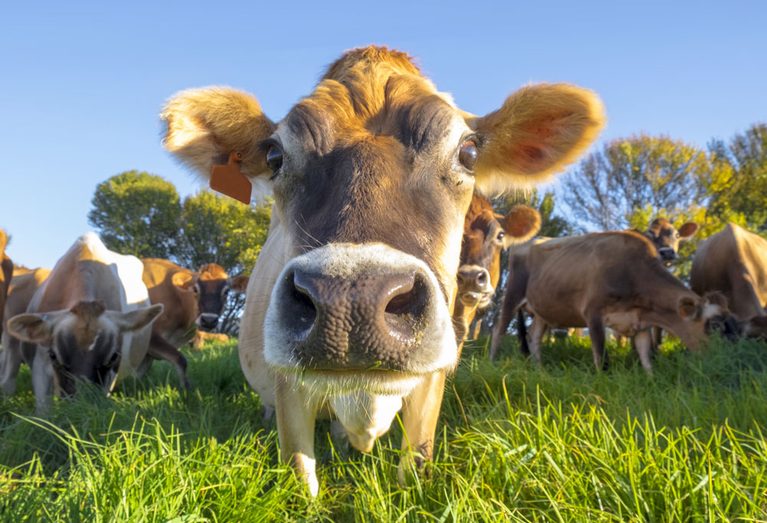
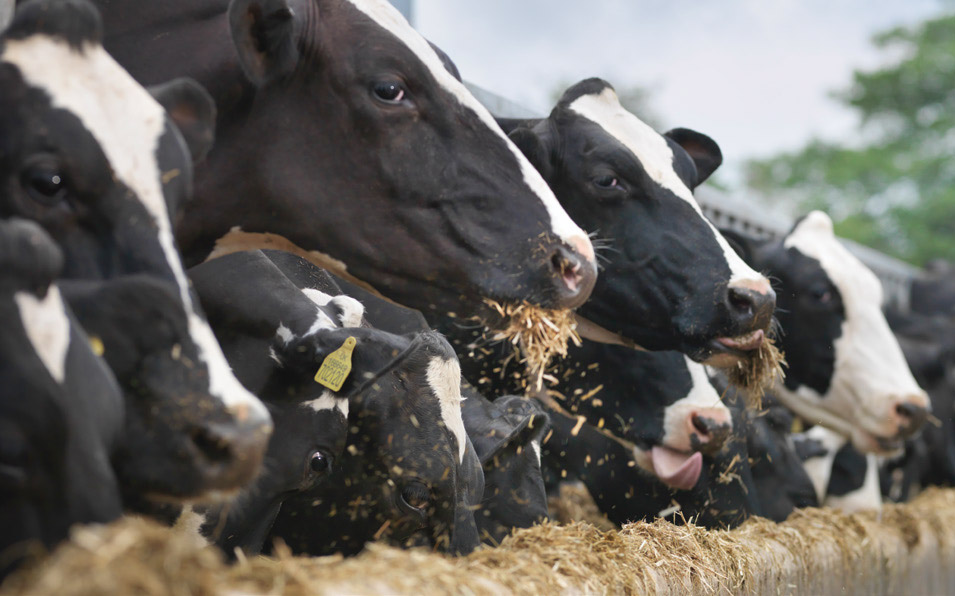
Dairy farmer confidence is the bright spot this quarter, with historically high milk price contracts announced a few months ago pushing income expectations to their highest levels in eight years.
The survey found 27% of dairy farmers expect conditions to improve over the year ahead, while 70% are expecting an increase in income this year.
Sentiment among sugar growers is modestly lower this survey – one-in-four growers think conditions will improve (26%), while 41% expect more of the same over the year ahead, with input costs and views about whether they will rise or fall underpinning responses.
Grain sector optimism has almost halved this quarter, from 41% expecting better conditions in the previous survey to 22% this quarter, while 33% expect conditions to worsen, up from 18% in the last quarter.
A range of factors is weighing on the outlook among grain growers, with rising input costs, particularly, placing significant pressure on margins. Extraordinarily wet conditions in northern and central NSW – large growing areas nationally – have meant as much as 50% of the winter crop has not been planted in certain areas, while elsewhere the above-average rainfall will have some impact on yields and quality.
The threat of an FMD incursion is influencing beef sector confidence, with only 10 per cent expecting conditions to improve (was 25% in June), nonetheless 44% of producers nationally are tipping conditions over the year ahead to be unchanged. Falling commodity prices and the rising cost of inputs are also being monitored closely by beef producers.
The survey found that despite concerns about the threat of FMD arriving in Australia, 84% of beef producers have ‘moderate to high confidence’ in their ability to manage a biosecurity threat.
And although close to half the sheep producers surveyed, which includes lamb and wool producers, expect conditions to stay the same over the year ahead, optimism has certainly dipped – just 12% are optimistic of better circumstances next year.
Concerns about FMD and an expectation of further rising input costs were drivers of negative sentiment in the sheep industry. Considerable processor constraints, especially in southern NSW, Victoria and South Australia, were adding to anxiety about what the coming months might look like for the sector.
Farm business performance
With several uncertainties facing the Australian farm sector over the coming months, Mr Knoblanche said levels of farm sector investment were still encouraging, albeit down on last quarter, demonstrating a longer-term optimism in agriculture.
The latest survey reveals 25% of farmers nationally are looking to further increase investment in their farm businesses (although this was down from 40% at the start of the year). A further 60% also plan to maintain current levels of investment, which is a positive sign, Mr Knoblanche said.
The survey findings over the past year point to a growing trend of farmers investing in new technology – planned by 44% of those increasing investment in their farm business this quarter. A total of 71% cent of those increasing the spend on their business said on-farm infrastructure was a priority, followed by new plant and equipment purchases.
And almost one quarter of those farmers nationally looking to increase investment are planning to expand their enterprises through property purchase (a similar level to last quarter).
Income expectations are relatively stable for farmers surveyed, with 42% expecting their gross farm incomes over the year ahead to stay the same, while 27% expect income to increase (down from 39% in June) and 29% expect a decrease (was 16%).
A comprehensive monitor of outlook and sentiment in Australian rural industries, the Rabobank Rural Confidence Survey questions an average of 1000 primary producers across a wide range of commodities and geographical areas throughout Australia on a quarterly basis.
The most robust study of its type in Australia, the survey has been conducted by an independent research organisation interviewing farmers throughout the country each quarter since 2000. The next results are scheduled for release in December 2022.
Key factors taken from the survey
· Significant dip in farmer confidence in latest quarter, with high input costs and FMD fears driving the lowered sentiment
· Optimism highest among cotton, dairy, sugar and grain producers, while mixed farmers most pessimistic about future conditions
· Farmers’ investment intentions remain at healthy level, albeit down on last quarter, with appetite for land purchase holding steady