In a concerted effort to reduce crop losses and waste Horticultural growers have averaged a 5% drop last season with another 20% that could be added to income

Income for Horticulture growers is the current rising star with production expected to increase by over $1.0 billion to reach a record $19 billion in season 2025-26, up by 4% over last year, driven by both rising production and prices.
A recent report that outlines there are potential savings from crop losses and waste of up to 20% achievable would make growers even more profitable.
The results for a report about crop loss/waste were collected between June and September 2024 from 2,761 horticulture farms, selected by region and farm size to be representative of the total segment of 10,645 farms in Australia.
Surveyed horticulture farms were actively growing fruit, nuts, vegetables and nursery produce. Crop losses and waste affected 63% of farms.

There was a noticeable drop in crop loss/waste on horticulture farms in season 2023-24, to 20%, this is down 5% from the 25% recorded in season 2022-23 when production was impacted by heavy rainfall and flooding.
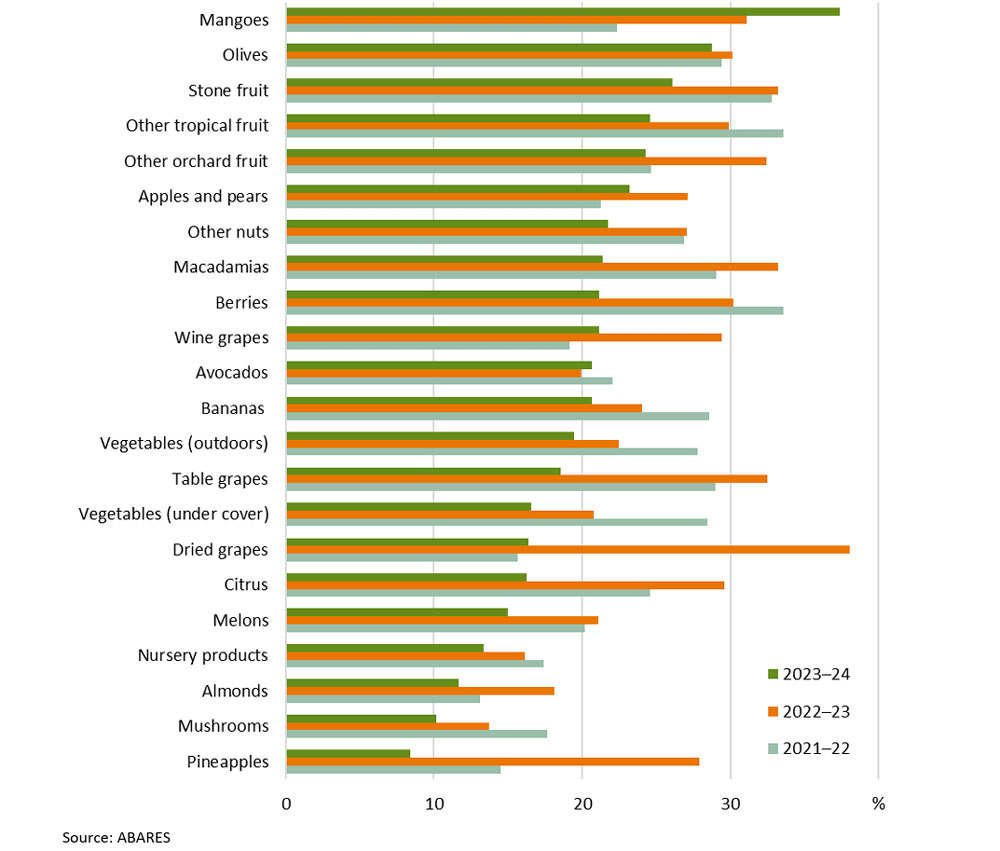
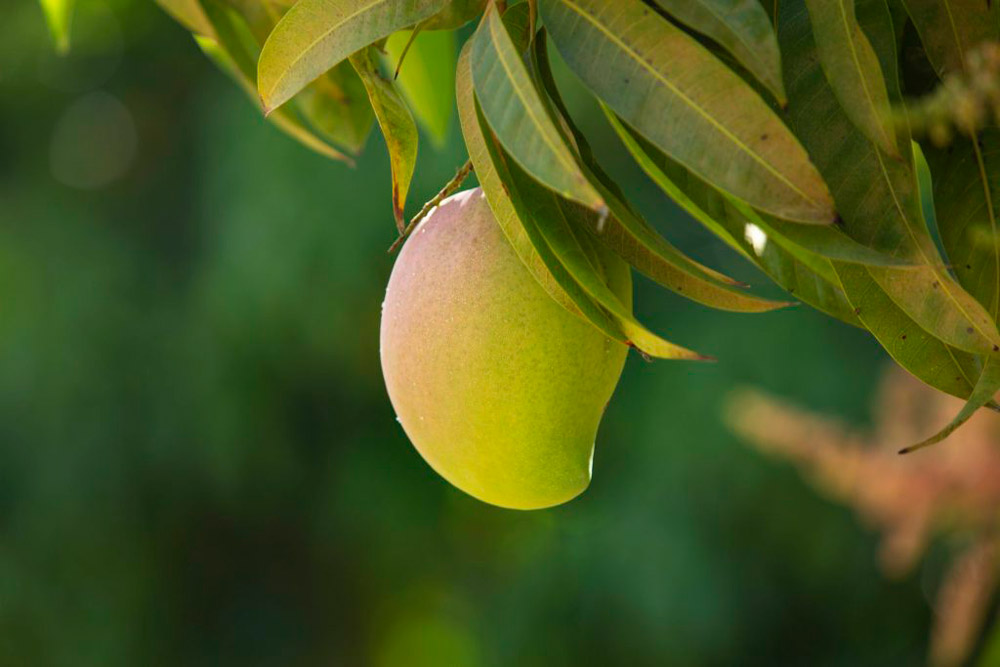
However, crop loss/waste again varied significantly depending on crop type, ranging from a high of 37% per farm for mangoes to a low of 8% for pineapples.
And while the range of crop loss/waste in 2023-24 was similar to 2022-23, from a high of 38% to a low of 14%, some crops and regions were impacted differently from previous years.
These wide-ranging variations make it more difficult for growers to set criteria in stone, but with more information gathered, more ready remedies can be implemented sooner.
On-farm situations growers face
Take the mango industry for example, where growers encountered a challenging season in 2023-24 with crop loss/waste as high as 40% per farm in Western Australia, compared to 23% in 2022-23.
And while Ex-Tropical Cyclone Jasper caused tree damage and fruit loss in Far North Queensland. In contrast, citrus crop loss/waste was as low as 7% per farm in South Australia, amidst improved fruit quality when compared to the 20% loss/waste in season 2022-23.
Meanwhile, grape growers in Victoria experienced reasonable conditions that reduced crop loss/waste for dried grapes to 12% per farm, compared to 46% per farm for the disease impacted 2022-23 crop.
Most of the horticultural crop loss/waste in season 2023-24 occurred pre-harvest with 58% of total loss per farm across all crop types, down from 66% in 2022-23, or during/after harvest at 26%, up from 24% the previous year.
The remainder was recovered for alternative uses, 16%, up from 10% in 2022-23, for compost, animal feed, the sale of secondary products, donation and fuel.
All the horticulture farms surveyed provided information about the causes and fates of their crop loss/waste in season 2023-24, with most farms that experienced crop loss/waste indicated that weather events were the primary cause of their total crop loss/waste.
There was some surety of improvement for 63% of farms, as their losses were almost unchanged from season 2022-23 with most losses occurring preharvest and largely due to outside factors.
Other reasons for crop loss/waste in season 2023-24 included pests and disease for 32% of farms, down from 35% in 2022-23, quality not to specification at 14%, up from 11%, changing commodity prices at 8%, down from 11%, excess production was 7%, up from 5% and a lack of labour availability was listed at 4%, down from 7% the previous year.
Improvements to waste a priority
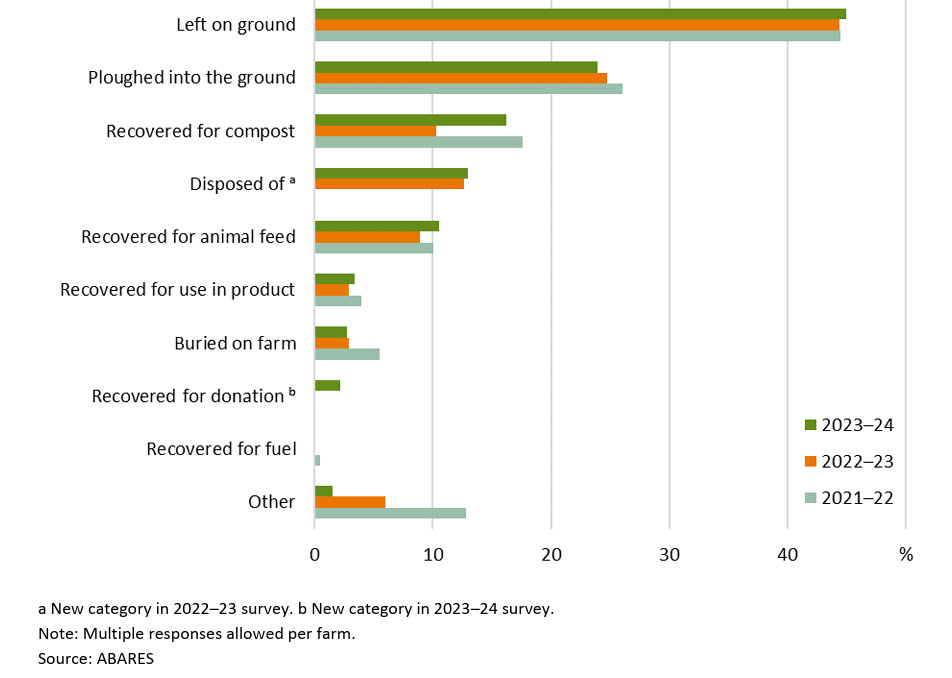
Most horticulture farms indicated that their crop loss/waste in 2023-24 was left on the ground for 45% of farms, almost unchanged from 2022–23, or ploughed into the ground was a remedy at 24%, almost unchanged from the previous year.
Crop loss/waste was also recovered for compost for 16% of farms, up from 10% in season 2022-23, while other categories were likewise roughly unchanged including disposed of, for example by binning, burning or dumping on 13% of farms, recovered for animal feed at 11%, recovered for use in other products was at 3%, buried on farm was also a remedy at 3%.
While recovery for donation was 2%, a new category in season 2023-24, and recovery for fuel was listed at only 1%. Two areas that should encourage growth.