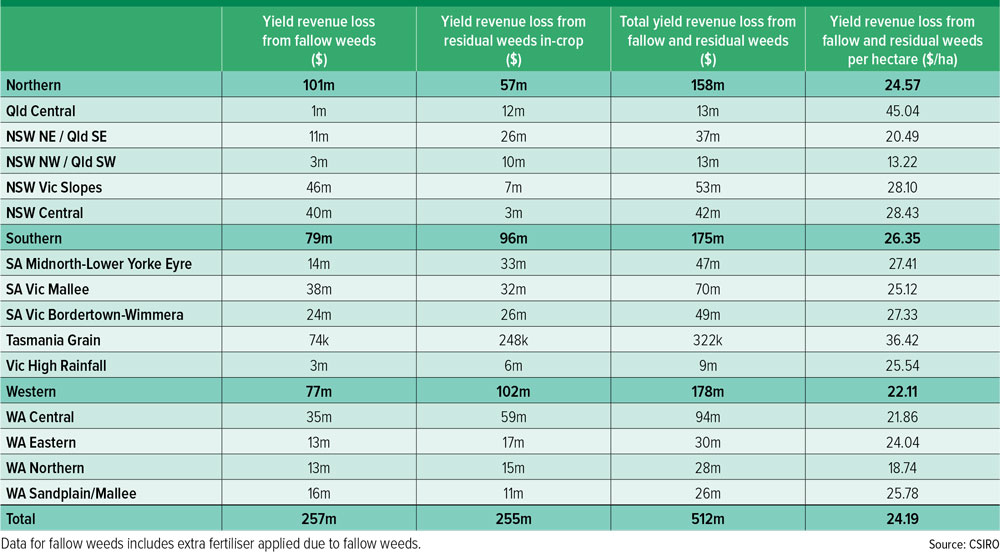
The impact of weeds on crop yields has fallen from 2.8 million tonnes in 2016 to 1.2 million tonnes in 2025 translating into higher income
Grain and cotton growers are substantially increasing their income by incorporating long-term weed management strategies into their cropping programs, and more money is on the table.
While growers are winning the fight against weeds, a recent report has estimated the cost of weeds to the grain and cotton industries is still $4.43 billion per year, all money that growers could recoup over the long term.
Through proactive management and innovation, the impact of weeds on crop yield has fallen, from 2.8 million tonnes in 2016 to 1.2 million tonnes in 2025, translating into higher production and income.
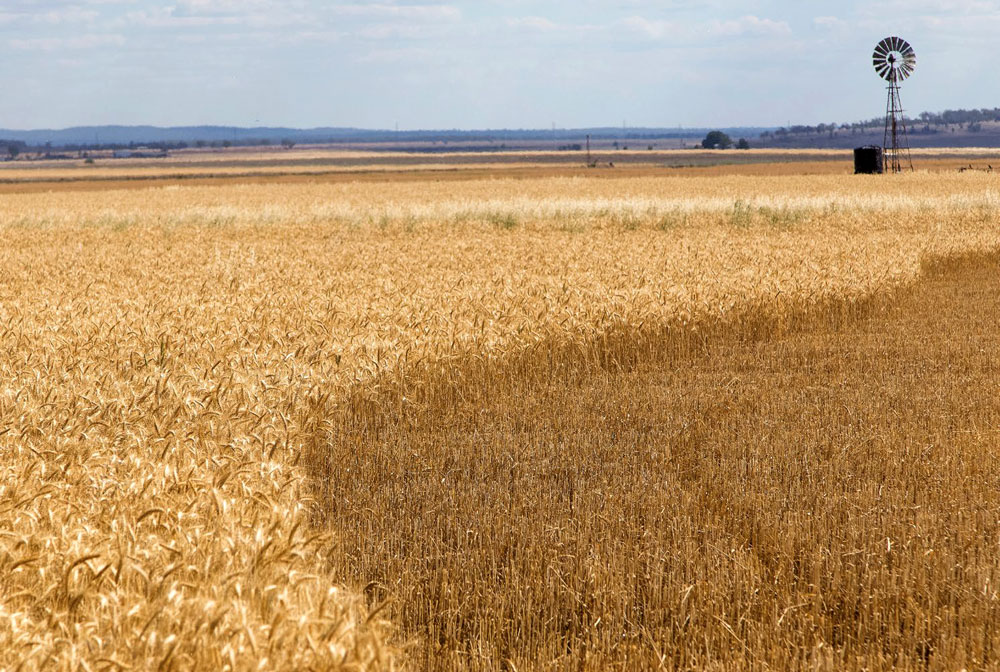
This latest national estimate comes from research by the CSIRO, funded by the Grains Research and Development Corporation (GRDC) and Cotton Research and Development Corporation (CRDC).
“Weed control remains one of the biggest annual costs for growers, but the investment is paying off,” assured Rick Llewellyn, CSIRO Research Scientist who co-authored the report led by Jackie Ouzman.
“By staying ahead of the weed seed bank, resistance and adopting smarter, more targeted practices, growers are protecting long-term profitability and enabling flexibility in their system.
Growers that lead the way have integrated weed management, combining pre-emergent herbicides, harvest weed seed control, crop rotation and precision technologies such as camera-guided spraying.
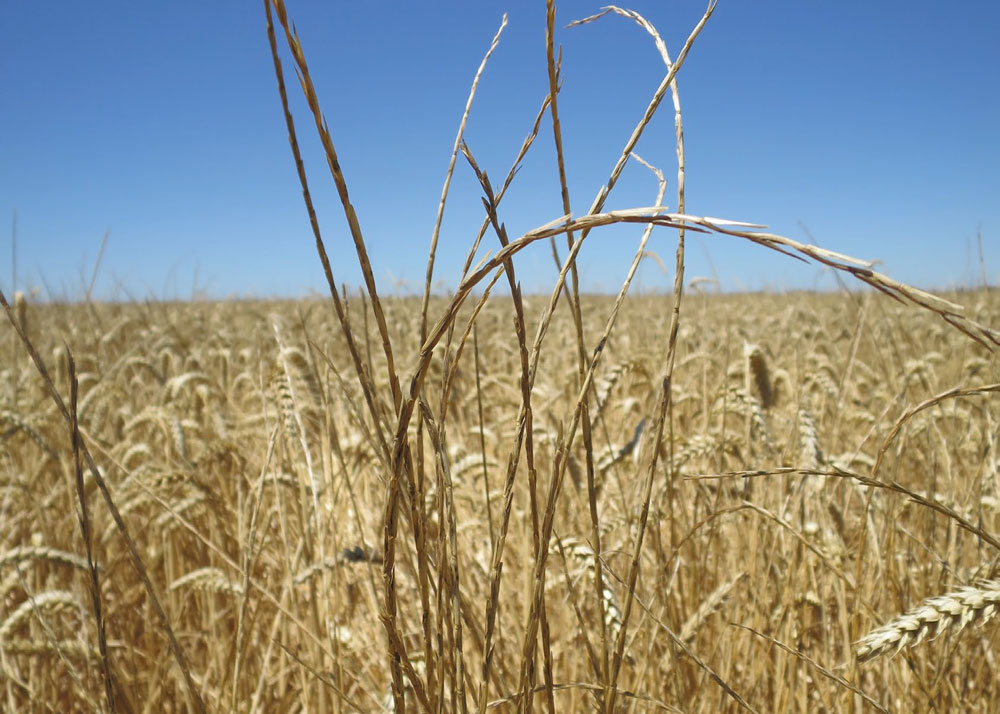
One of the biggest gains comes from improved summer fallow weed control, which helps conserve valuable soil moisture and supports better crop establishment in drier seasons, an essential part of farming in a changing climate.
“Effective weed control is a critical part of climate adaptation,” Rick Llewellyn continues.
“With increasingly variable rainfall and larger cropping programs, growers need to sow crops when conditions are right without delays for weed control.
The 2025 study also includes cotton production for the first time, offering a fuller picture of weed impacts across our two largest cropping sectors.
Weed control costs grain and cotton growers an average of $3.85 billion annually, $180/ha. With expenditure on herbicides at an estimated $2.70 billion, reflecting growers’ largest cost of control at 70% of the total weed cost.
“Local growers are showing global leadership in weed management, but the cost increases are real. We need to keep supporting research and find ways to stay ahead of evolving weed challenges while also reducing these costs,” Rick Llewellyn adds.
The study reaffirms continued investment in weed management research, not just for reducing losses, but for unlocking gains in productivity, climate resilience and sustainable land use.
“The only reason we’re not seeing widespread yield losses from weeds today is because of years of sustained research and grower innovation,” Rick Llewellyn continues.
“This is a quiet success story, but it’s a battle where you can’t pause – the weed challenge keeps evolving and demanding new solutions,” Rick Llewellyn concludes.
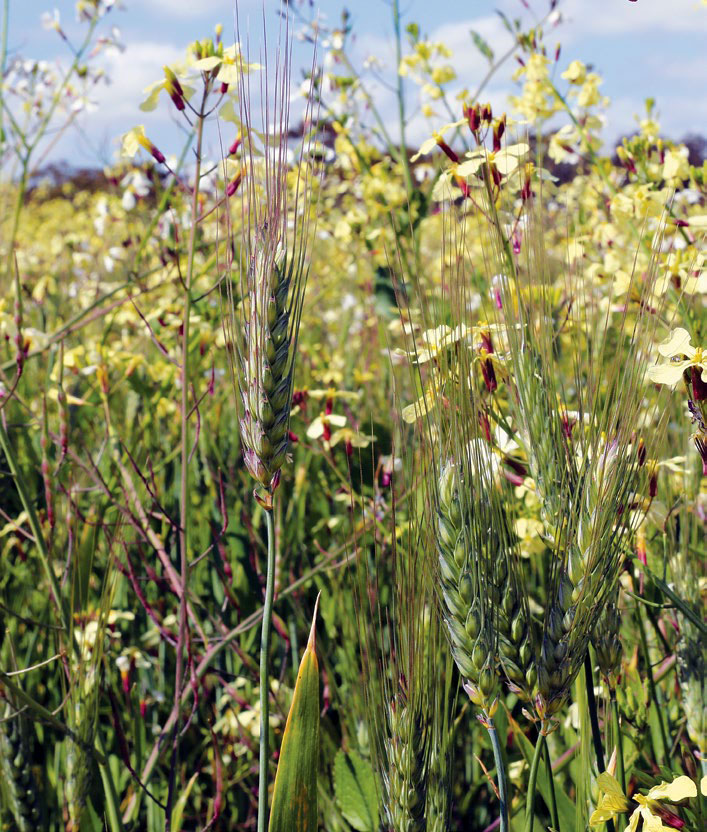
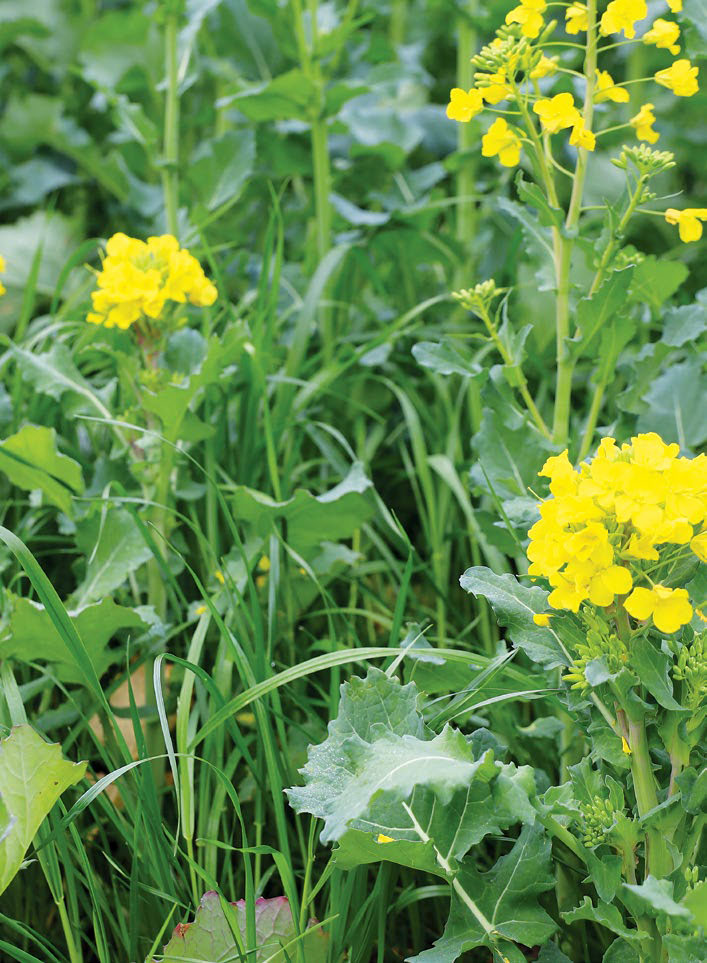
Weed threats continue to emerge at a local level, but nationally, the costliest weeds remain familiar: ryegrass, brome grass, sow thistle, wild radish and wild oats, while the costliest fallow weeds in grain production at a national level are melons, heliotrope and fleabane.
Management of weeds remains a high research priority with GRDC re-investing in a five-year nationally coordinated $47 million Weed Management Initiative.
Under the initiative, GRDC will invest $25 million to create regional nodes with strategic partnerships with $22 million in co-contributions from the University of Western Australia, the University of Adelaide, Charles Sturt University and the University of Queensland.
Weed management in Australia is grounded in decades of research, development and extension and reflects GRDC’s commitment to grower accountability, innovation and long-term return on investment.
The WMI will support more than 20 weed research scientists, working under experienced node leads, as well as initiate 12 PhD student scholarships to build critical capacity against weeds.
Cost of weeds measured by yield losses
Read more about the just released NEXAT Power Platform on this link.