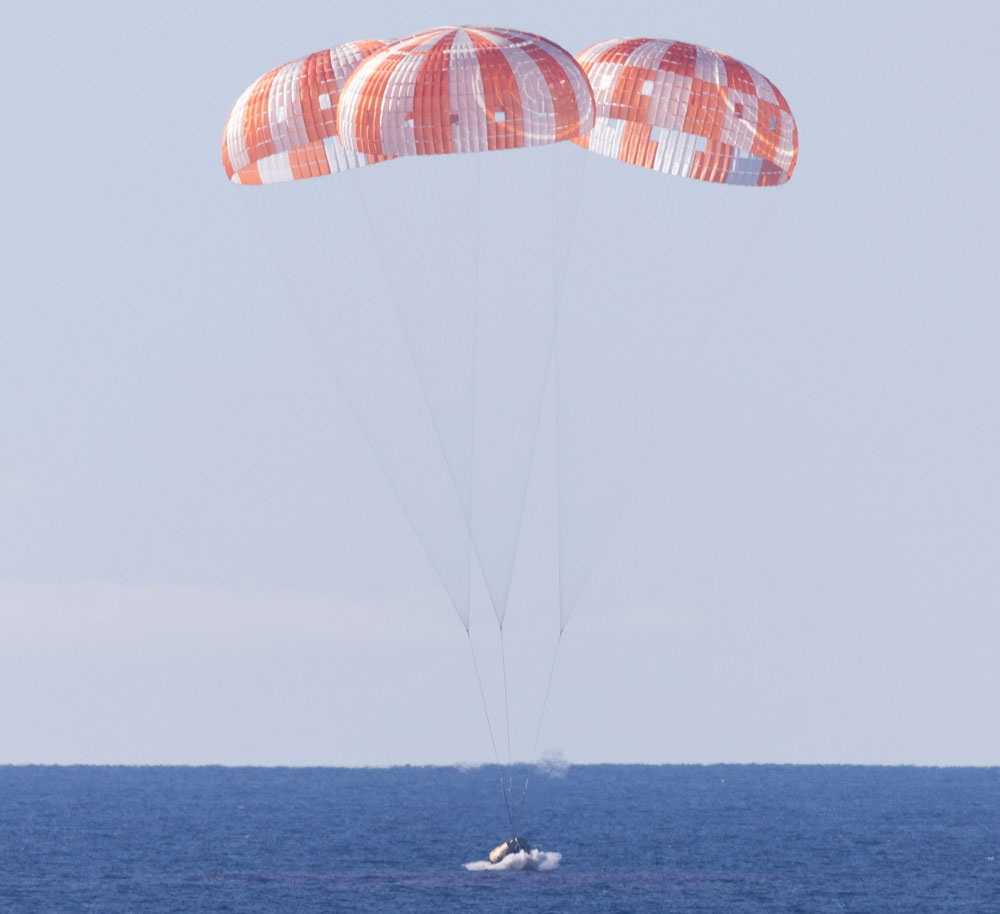
NASA has successfully navigated four astronauts on longest space journey to date with view clear of dark side of the moon
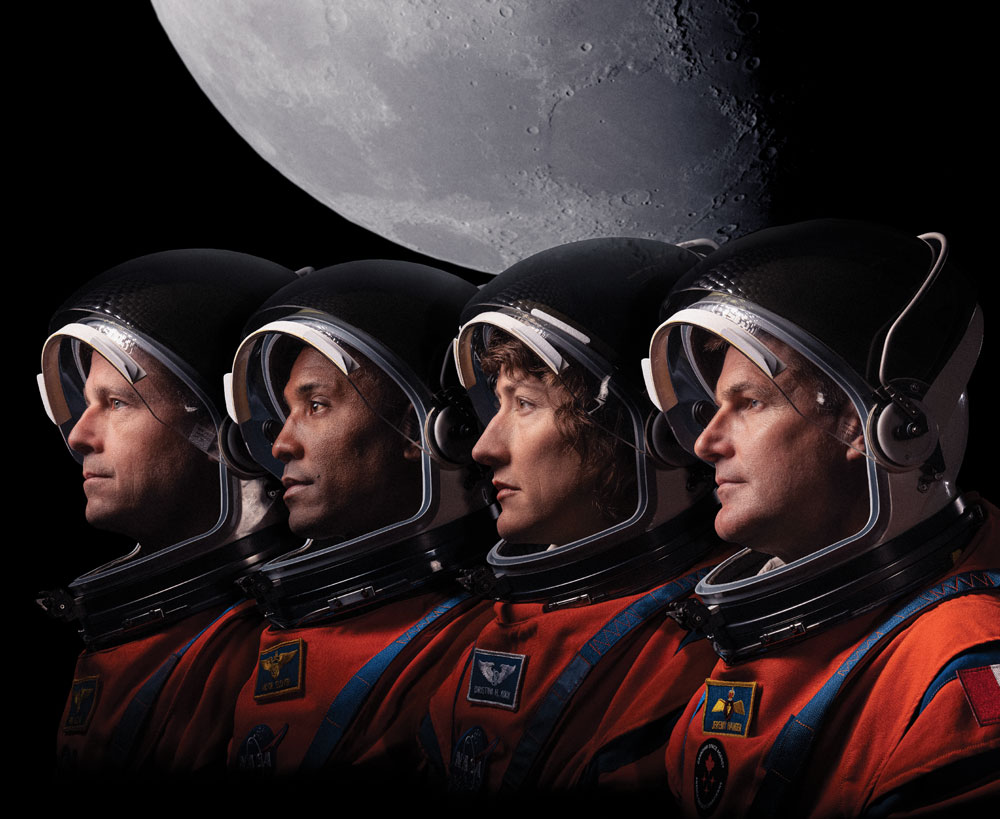
The first astronauts to travel to the Moon in more than half a century are back on Earth after a record-setting mission aboard NASA’s Artemis II test flight.
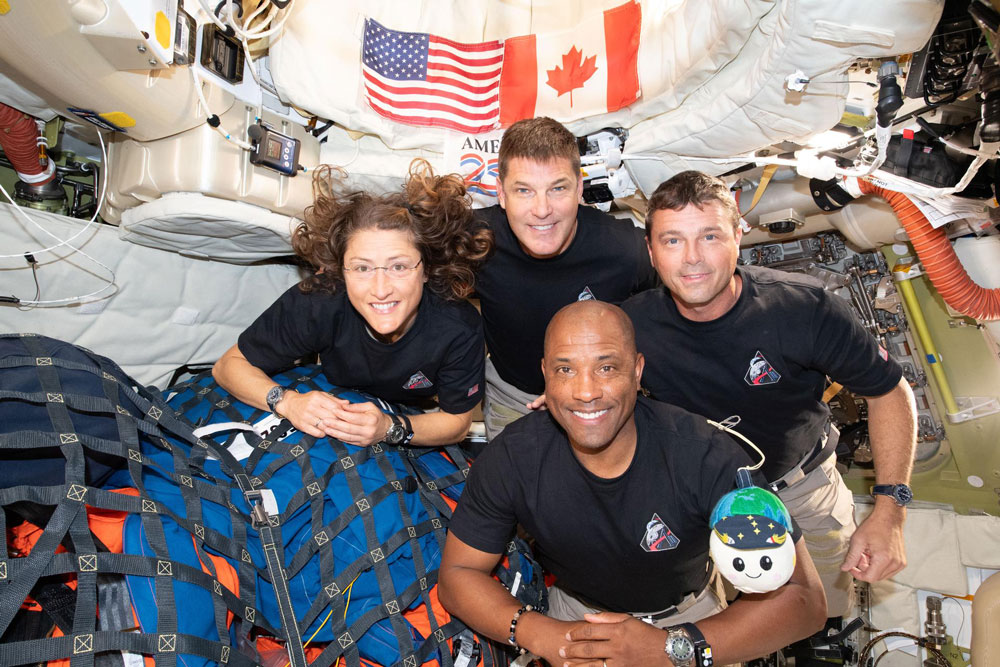
NASA astronauts Reid Wiseman, Victor Glover, and Christina Koch, and CSA (Canadian Space Agency) astronaut Jeremy Hansen splashed down at 5:07 p.m. PDT Friday off the coast of San Diego, completing a nearly 10-day journey that took them 406,771.352-km (252,756-miles) from home at their farthest distance from Earth.
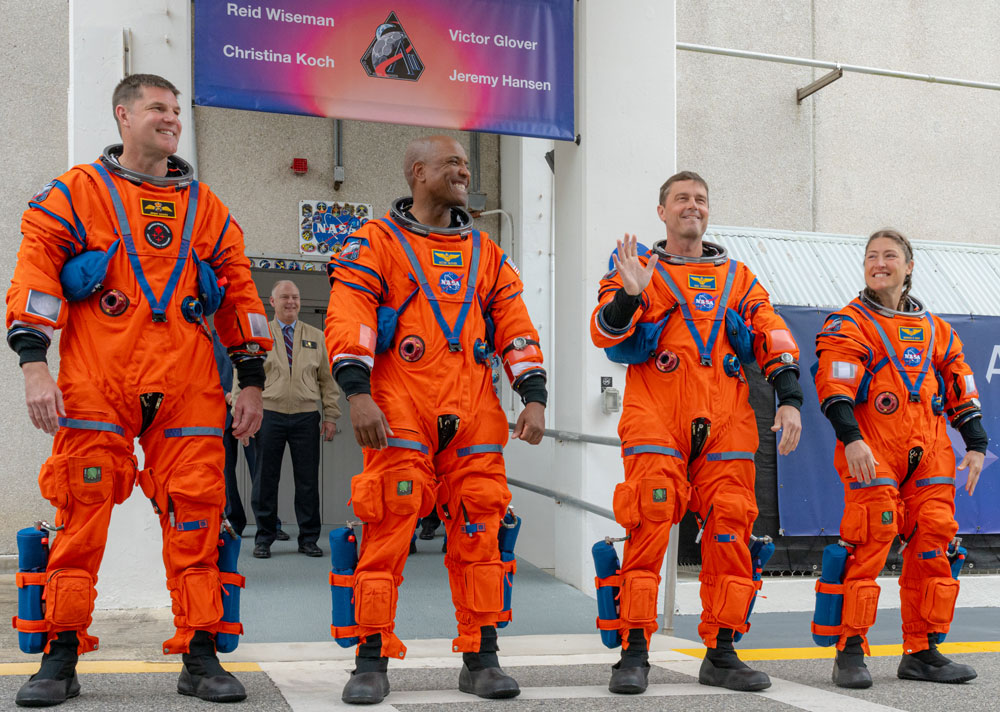
“Welcome home, Reid, Victor, Christina, and Jeremy and congratulations on a truly historic achievement, said an elated NASA Administrator Jared Isaacman.
“Artemis II demonstrated extraordinary skill, courage, and dedication as the crew pushed Orion, SLS (Space Launch System), and human exploration farther than ever before. As the first astronauts to fly this rocket and spacecraft, the crew accepted significant risk in service of the knowledge gained and the future we are determined to build, Jared Isaacman concluded.
NASA also acknowledges the contributions of the entire NASA workforce, along with international partners, whose expertise and commitment were essential to this mission’s success.
With Artemis II complete, NASA focus now turns confidently toward assembling Artemis III and preparing to return to the lunar surface and build a permanent base.
After splashdown in the Pacific Ocean, the astronauts were met by a combined NASA and U.S. military team that assisted them out of the spacecraft in open water and transported them via helicopter to the USS John P. Murtha for initial medical checkouts.
The Artemis II crew members are expected to return to NASA’s Johnson Space Center in Houston on Saturday 11 April 2026 USA time.
During their mission, Wiseman, Glover, Koch, and Hansen flew 1,117,658.83-km (694,481 miles) in total. Their lunar flyby took them farther than any humans have ever travelled before, surpassing the previous distance record set by Apollo 13 astronauts in 1970.
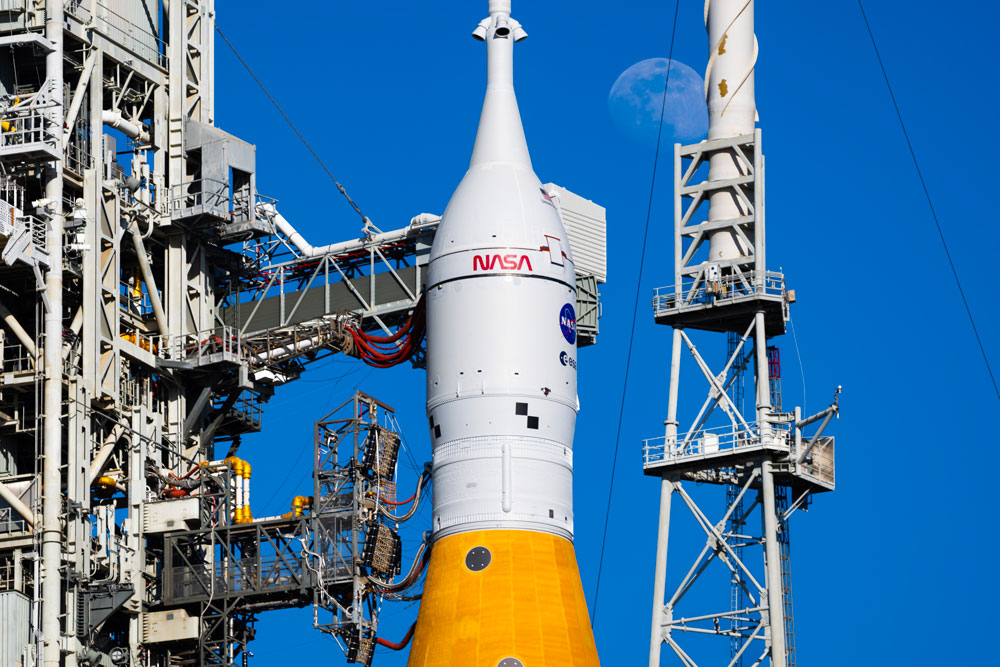
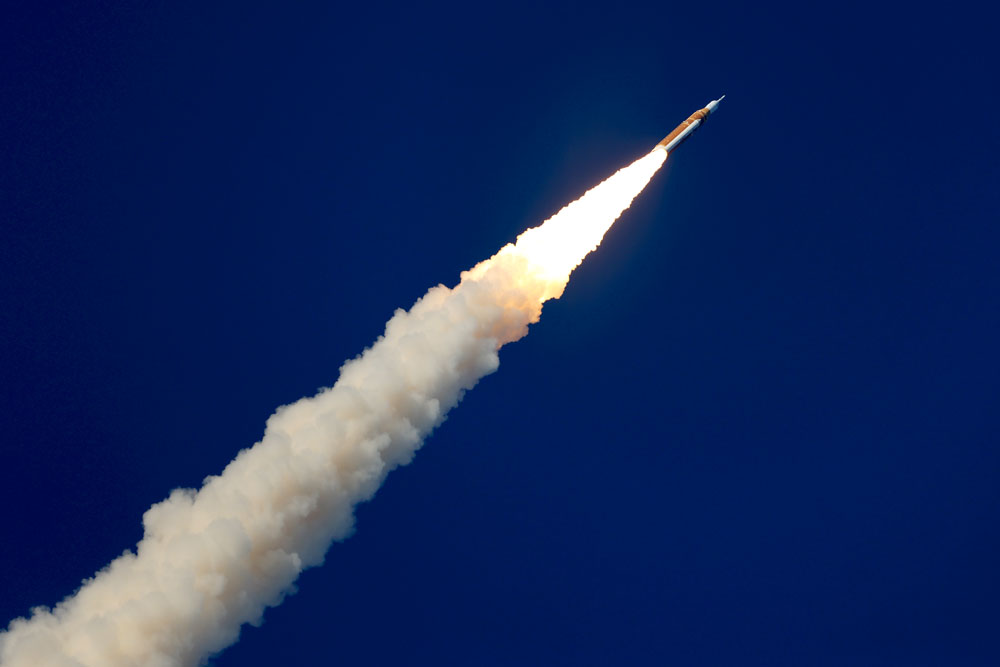
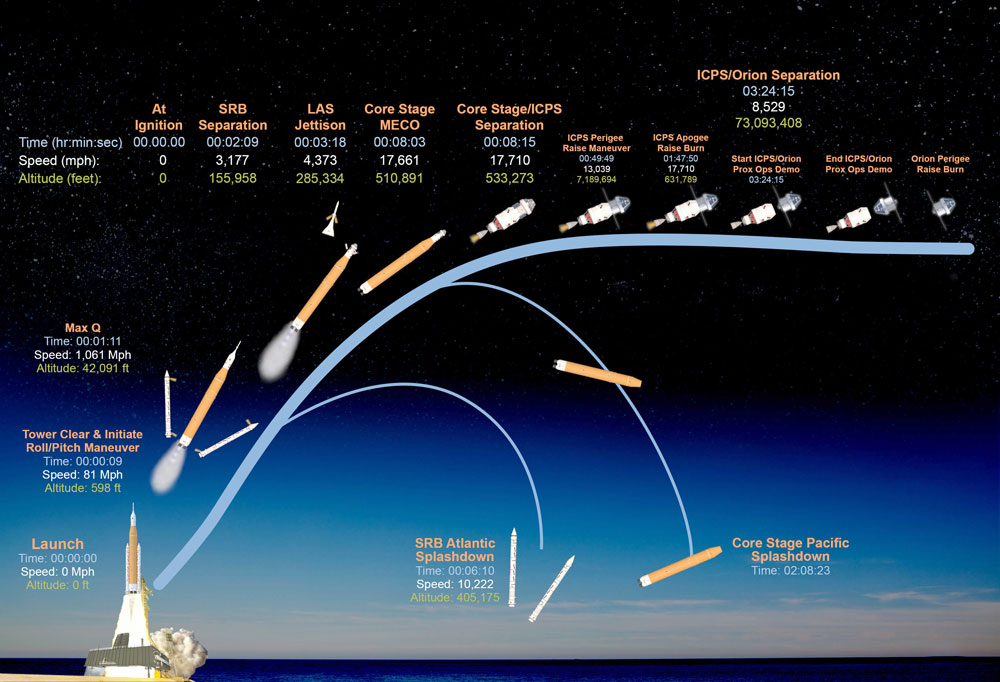
The historic flight of Artemis II follows the launch of the NASA SLS rocket at 6:35pm on 1 April 2026, from Launch Pad 39B at the agency’s Kennedy Space Center in Florida.
With 3.99.1612-kg (8.8 million pounds) of thrust at liftoff, the American-built rocket propelled the crew inside the Orion spacecraft to space, delivering it to orbit with pinpoint accuracy after a smooth countdown conducted by the agency’s Artemis launch control team.
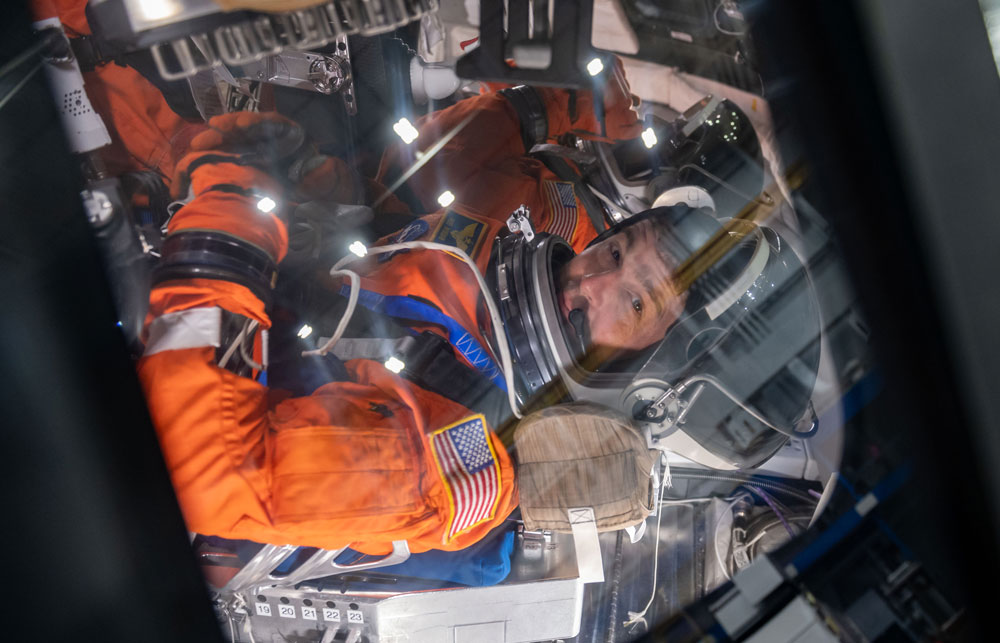
During the first day in space, the astronauts and teams on the ground checked out the spacecraft – named Integrity by the crew – to confirm all systems were healthy ahead of the transit to the Moon. NASA also deployed four CubeSats from international partners to Earth orbit.
On the second day of the test flight, with all systems Go, Orion’s service module fired its main engine, placing the astronauts on a trajectory that brought them 6545.202-km (4,067-miles) above the lunar surface at their closest approach.
“The Artemis II crew is home. The entry, descent, and landing systems performed as designed and the final test was completed as intended. This moment belongs to the thousands of people across fourteen countries who built, tested, and trusted this vehicle.
Their work protected four human lives traveling at 40233.6-km (25,000-miles) per hour and brought them safely back to Earth,” said NASA Associate Administrator Amit Kshatriya.
“Artemis II proved the vehicle, the teams, the architecture, and the international partnership that will return humanity to the lunar surface. Reid, Victor, Christina, and Jeremy carried the hopes of this world farther than humans have travelled in more than half a century.
Fifty‑three years ago, humanity left the Moon. This time, we returned to stay. The future is ours to win,” Amit Kshatriya concluded.
With astronauts aboard for the first time, engineers put Orion through a full in‑flight evaluation. The crew tested the spacecraft’s life support systems, confirming Orion can sustain humans in deep space.
During several piloting demonstrations, crew members took manual control of the spacecraft, flying Orion to validate its handling and collect data that will guide future rendezvous and docking operations with human-rated landers during Artemis III and beyond.
The crew completed a series of tests to inform how NASA will fly future missions to the Moon, including evaluations of how the spacecraft operates during crew exercise, emergency equipment and procedures, the Orion crew survival system spacesuits, and other critical spacecraft systems.
Wiseman, Glover, Koch, and Hansen also supported scientific investigations to help NASA prepare astronauts to live and work on the Moon as the agency builds a Moon Base and looks toward Mars.

These experiments – including the AVATAR investigation, which studies how human tissue responds to microgravity and the deep space radiation environment, and other human research performance studies – are gathering essential health data for long-duration missions.
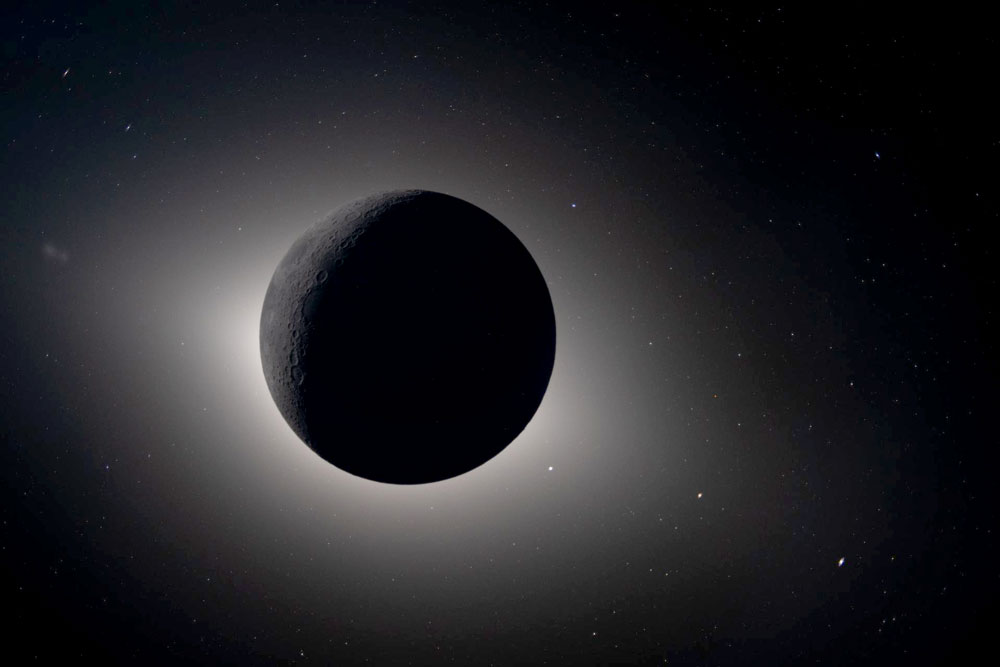
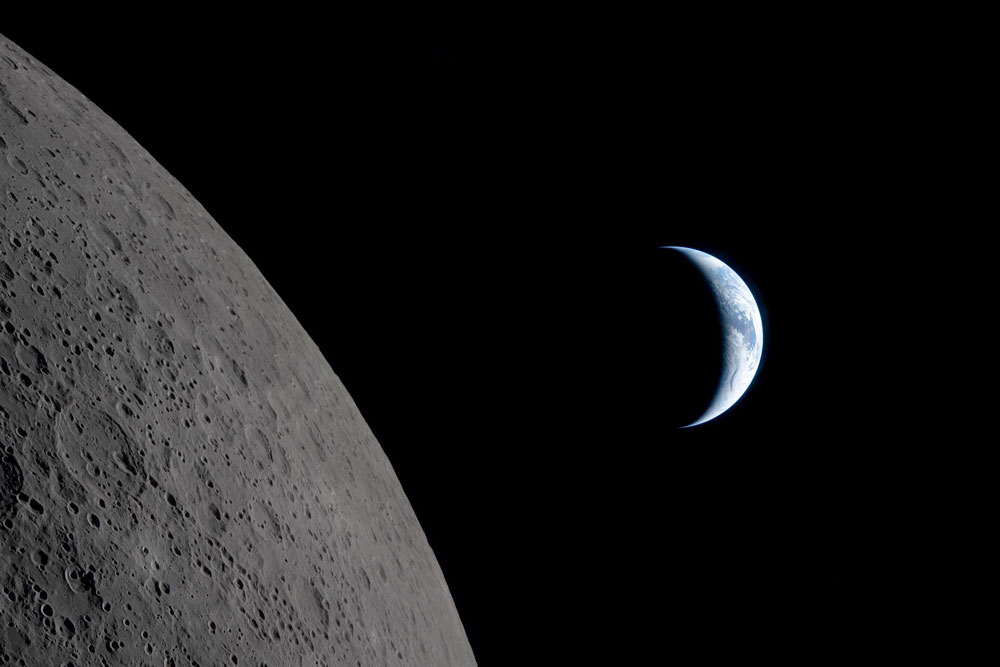
During their 6 April 2026 lunar flyby, the astronauts captured more than 7,000 images of the lunar surface and a solar eclipse, during which the Moon blocked the Sun from Orion’s vantage point.
The imagery includes striking views of earth set and earthrise, impact craters, ancient lava flows, our Milky Way galaxy, and surface fractures and colour variations across the lunar terrain.
They documented the topography along the terminator – the boundary between lunar day and night – where low-angle sunlight casts long shadows across the surface, creating illumination conditions similar to those in the South Pole region where astronauts are scheduled to land in the 2028 mission.
The crew also proposed potential names for two lunar craters and reported meteoroid impact flashes on the night side of the Moon.
Artemis II science will pave the way for future missions to the Moon’s surface by helping advance mission operations and training astronauts to use well-informed judgment to identify areas of high interest for science and exploration.
With the crew safely on Earth, NASA and its partners now will turn attention to preparing for next year’s Artemis III mission, when a new Orion crew will test integrated operations with commercially built Moon landers in low Earth orbit.
As part of a Golden Age of innovation and exploration, NASA will send Artemis astronauts on increasingly challenging missions to explore more of the Moon for scientific discovery, economic benefits, establish an enduring human presence on the lunar surface, and lay the groundwork for sending the first – American astronauts – to Mars.