Farmers are warming to fitting reconditioned second-hand parts for cost savings and in some cases to reduce downtime to avoid waiting for a new part to be delivered
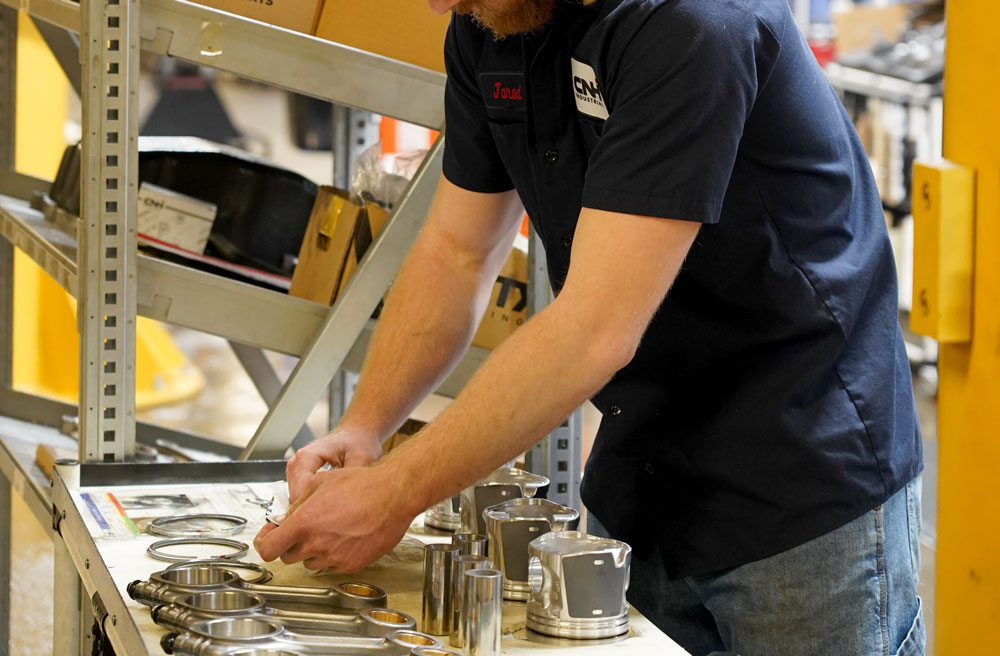
Manufacturers across the globe have embraced Reman Day on 23 April as a springboard to promote the cost-effective benefits of fitting remanufactured parts, as opposed to costlier new parts and components.
Farmers that previously searched in junkyards across the country for a part, might find they have beaten to it by the big farm machinery manufacturers that are taking old parts as trade-ins and giving them a complete overhaul back to as-new condition.
And once a farmer realises there is a cost saving of sometimes up to 30%, the Reman parts seem to slot into their operational more readily and offer more cost-effective ongoing farm machinery maintenance, while minimising the environmental impact.
Recognised globally, Reman Day is led by the Remanufacturing Industrial Council (RIC) and highlights the value of restoring used components to perform like-new, extending the product life, reducing waste and the reliance on new raw materials.
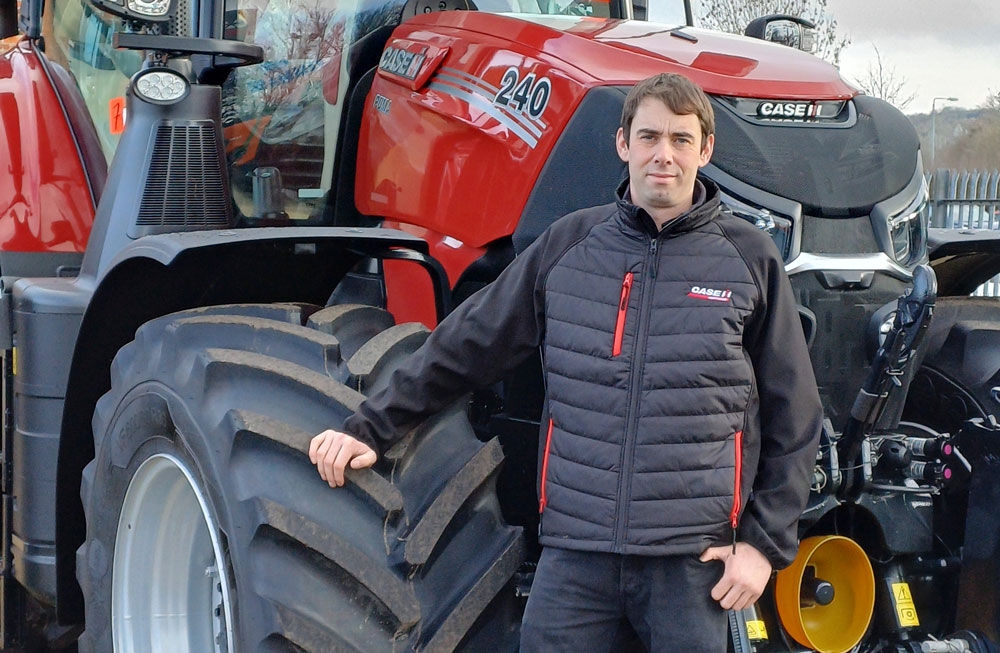
According to Heath Joiner, Head of Parts & Service, CNH Australia and New Zealand, as rural and regional industries face ongoing pressure from fuel, freight and input costs, this approach is becoming increasingly relevant for farm machinery maintenance.
“Farmers continue to face increasing external financial pressures, and when farm machinery parts require replacement, this can cost them further in time, money and productivity,” Heath Joiner explained.
“Remanufacturing is a smart way to help lower costs for farmers, avoid complicated and often expensive rebuilds, and importantly maintain machinery uptime.
“It not only supports farmers’ bottom lines, but for our industry, it also plays a critical role in reducing waste and conserving natural resources. It is a win-win for both the agricultural sector and the environment,” Heath Joiner added.
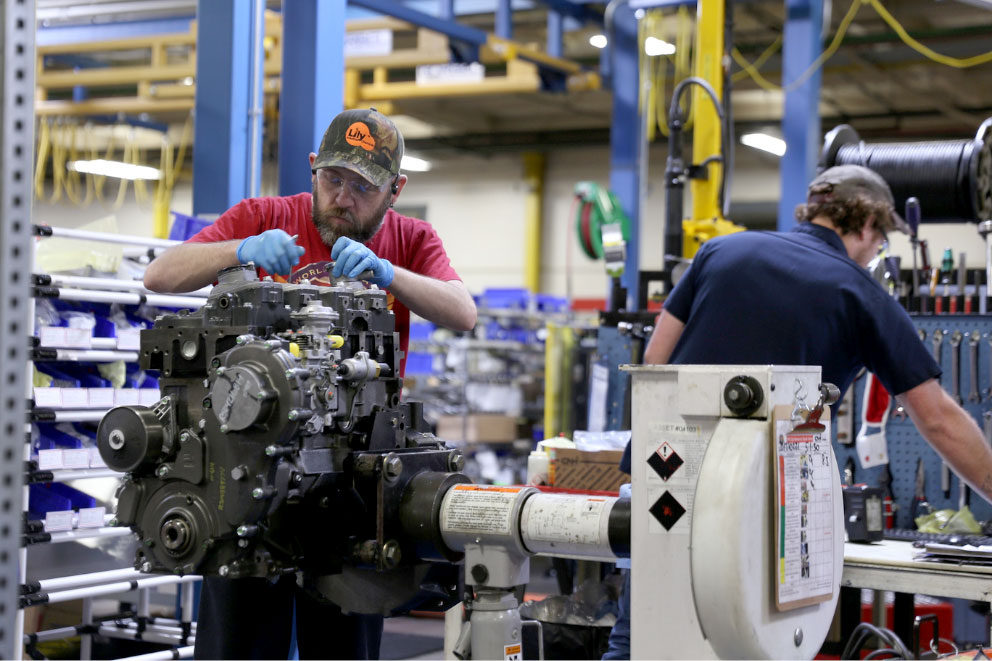
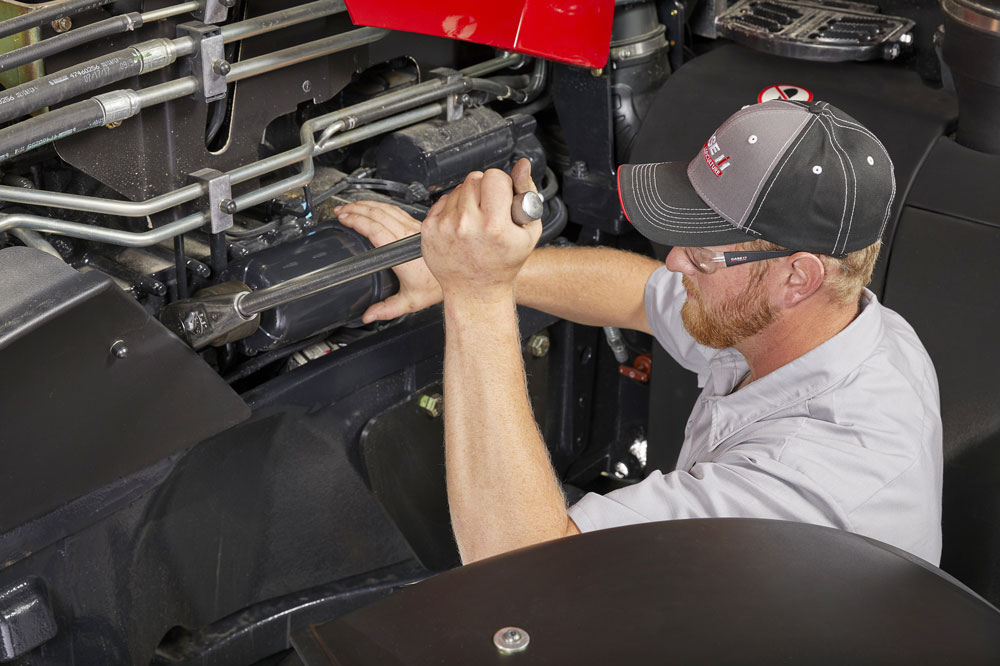
In 2024, CNH Reman globally reduced raw material consumption by approximately 5,200 tonnes by refurbishing used components. Up to 85% of an engine can be salvaged and remanufactured multiple times, significantly extending its lifecycle value.
Beyond cost, the environmental benefits are substantial. Remanufactured parts can require up to 85% less energy to produce compared to new components, reducing emissions across manufacturing, energy consumption and the broader supply chain.
CNH is globally targeting 90% recyclability across new products by 2030.
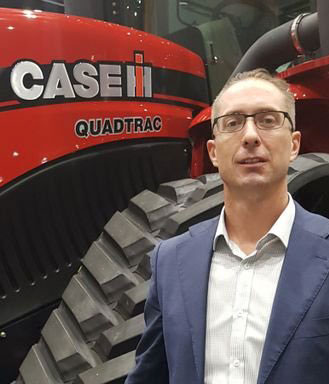
Heath added that it is not only a budget-friendly option for Case IH, New Holland and CASE Construction machinery owners, but remanufactured parts are OEM-backed and come with a two-year warranty, giving customers a greater peace of mind.
CNH Reman offers farmers access to thousands of available parts, across more than 20,000 applications. This includes transmissions, drivelines, engines, electrical components, harvest parts, hydraulics and more.
“Our local dealers support remanufacturing Case IH, New Holland and CASE Construction machinery parts because they too know that it is a smarter way to keep farms moving with less costs, less downtime and more value from every machine,” Heath Joiner confirmed.
“Reman Day is a good reminder to keep valuable materials in use for longer and reduce the need for new raw resources. By recognising these contributions and encouraging more industries, including agriculture, to embrace the benefits, everyone stands to gain from it.”
Click on the video below to take a virtual tour of the CNH Reman Plant and see how reconditioned parts manufacturing is leading the way in a technology drive towards more cost-effective parts and components.