Lending to the farm sector increased by 5% in real terms to $142.5 billion from data compiled prior to the US-Israel attack on Iran

Farm lending figures compiled at the 30 June 2025, prior to the start of the US-Israel attack on Iran, show the aggregate value of outstanding loans and leases to the farm sector reached $142.5 billion, representing a 5% increase in real terms over the previous year.
While this was the smallest year on year increase in net lending to the farm sector in the past five years, growth remained above the longer term, 20-year-average of 3.4% per annum.
Farm sector lending rose across all states and territories, except the Northern Territory, with strongest growth in Western Australia up 8.2%, and South Australia up 7.5%, according to the 2023-24 Australian Prudential Regulation Authority (APRA) lending data.
Following recent record-breaking seasonal incomes, the use of debt has become an important part of the way farmers increase their land holdings to ensure higher income and more working capital.

And while many farm operations are taking on debt so they can invest back into their businesses, there is also an increase in farm debt because some farmers needed working capital to buy new plant and, in some instances, used loans to manage existing debt.
Overall, it appears that most debt is manageable with less than 0.1% of the nearly 147,000 farms operation loans subject to debt mediation and foreclosure.
But it should be noted there was an increase in overdue payments, with loans and leases more than 90 days past due rising from $1.18 billion in 2023-24 to $2.1 billion in 2024-25.
At an industry level, lending to egg and poultry farms rose sharply, by 22%.
This mainly due to the outbreak of bird flu in 2024 added to demand for loans. For egg producers, output and sales dropped while disease-response costs to farmers soared.
The broadacre cropping industry had the largest increase in farm debt, with lending up by $3.3 billion.

Future lending and growth
Over the longer term, it is expected aggregate lending to the farm sector will be determined by sector size or output and increase as the farm sector grows.
This reflects the dominant role debt financing plays in funding new investment and the ongoing activities of many farm businesses. In the short to medium term changes in aggregate lending are influenced by changes in the profitability of the farm sector.
Farmers tend to borrow more during periods of lower profits, and reduce borrowing when profits are higher.
There are exceptions, such as the period between 2019-20 and 2022-23 when aggregate farm debt increased significantly despite a strong increase in the net value of farm production.
This increase in debt reflected new investment in the sector funded by borrowing, coinciding with increases in agricultural land values, historically low interest rates, high average equity rates (the ratio of owned capital to total capital), and generally favourable agricultural commodity prices.
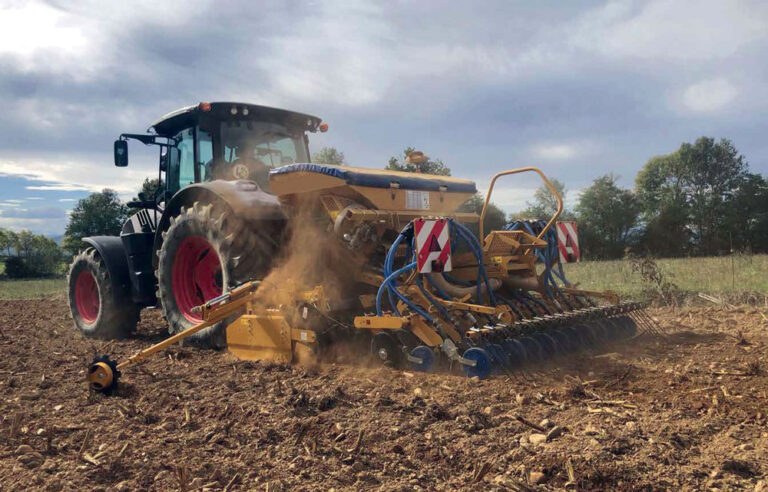
The increase in net new lending to the farm sector over the last decade also reflects a rapid increase in the price of key farming inputs, particularly land and machinery inputs. Agricultural land prices have grown at an average rate of around 10% per year, while tractor prices have increased at an average rate of around 12% per year.

When new investments are funded through borrowing, rising prices lead to a greater amount of debt needed to purchase the same quantity of inputs. As a result, part of the increase in net new lending to the farm sector is due to higher input prices, rather than an increase in the ‘quantity’ of new investment.
While the increase in net lending to the farm sector in 2023-24 likely reflected continued new investment, it is also the case that the sharp decline in farm profitability in 2023-24 will have also contributed, by delaying the repayment of existing loans and increasing the need for working capital or carry-on finance.
Higher interest rates would have also limited the capacity of some farmers to reduce the principal on loans. Aggregate farm profitability increased in 2024–25 compared with the previous year but stayed below 2021-22 and 2022-23 levels.
Part of the increase in overall net lending in 2024-25 reflected constraints on the capacity of some farmers to reduce debt, while other farmers may have needed additional working capital to get through the year.
The general outlook for the agriculture sector remained favourable however, so some of the increase in agricultural lending in 2024-25 would have been to fund new investment.