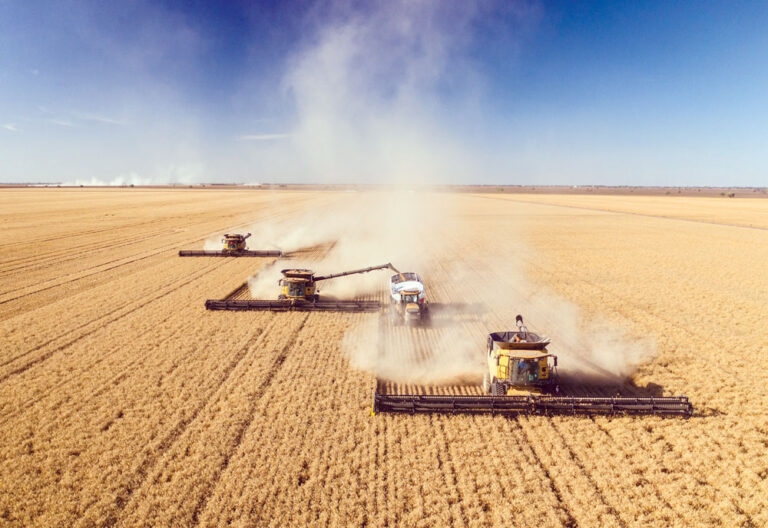
It is expected cotton harvest exports will be worth at least $7 billion from locally grown crops from seasons 2021-22 and 2022–23 somewhat combined

Cotton export value is expected to increase by 220% to $7.0 billion in 2022–23 but that figure needs to be clarified as delays in harvesting a record cotton crop in season 2021–22 has left as much 87% of that tally still sitting in storage, ready to be exported with the 2022–23 harvest.
A large proportion of the 2021–22 cotton crop was forward sold on December contracts at a time when prices were higher, further adding to the export value for 2022–23. Export values will be additionally supported by a sizeable 5 million bales harvested from the 2022–23 cotton crop.
The forecast of $7 billion in cotton exports would make the crop the third most valuable agricultural export, behind wheat at $11.7 billion and beef at $10.2 billion from the 2022–23 harvest.
Following the silent boycott from Chinese cotton importers to avoid buying Australian grown cotton in October 2020, cotton exports have become more diversified. The decline in the difference between the futures contract price and the local cash price since October 2020 continues to provide our locally grown cotton with a competitive price point compared to other machine picked producers.
In 2019–20, the top 5 destinations accounted for 91% of Australian exports, while in 2021–22, they accounted for only 80%. In 2019–20, exports were heavily concentrated on the Chinese market, accounting for 62% of our cotton exports.

However in 2021–22, Vietnam and Indonesia have emerged as the largest export destinations, accounting for 41% and 20%, respectively. Turkey and Thailand have also become major destinations for Australian cotton. The shift in export destinations also occurred at a time when cotton exports grew by 128% between seasons 2019–20 and 2021–22.
Global cotton production is forecast to remain unchanged at 111 million bales. Unchanged cotton production levels in 2022–23 and falling demand will maintain downward pressure on international prices.
Significant decreases in production from the world’s largest exporter, the Unites States, will be offset by increased production from India and Brazil. According to the US Department of Agriculture, approximately 66% of US cotton production is in areas experiencing drought. The poor conditions and associated high rates of abandonment is forecast to reduce US production by 28% compared to 2021–22.
Brazilian production is anticipated to be up 5% compared to 2021–22, with dry conditions during critical crop development stages limiting further increases. In India, a favourable outlook for the monsoon is also expected to lift yields on last year, with total production up 13%.
A large increase in production area in Pakistan is expected to see production rise only 0.3%, due to pest damage. In China, planted area increased only marginally this season, and despite dry conditions in Xinjian, production is expected to increase by 2%.
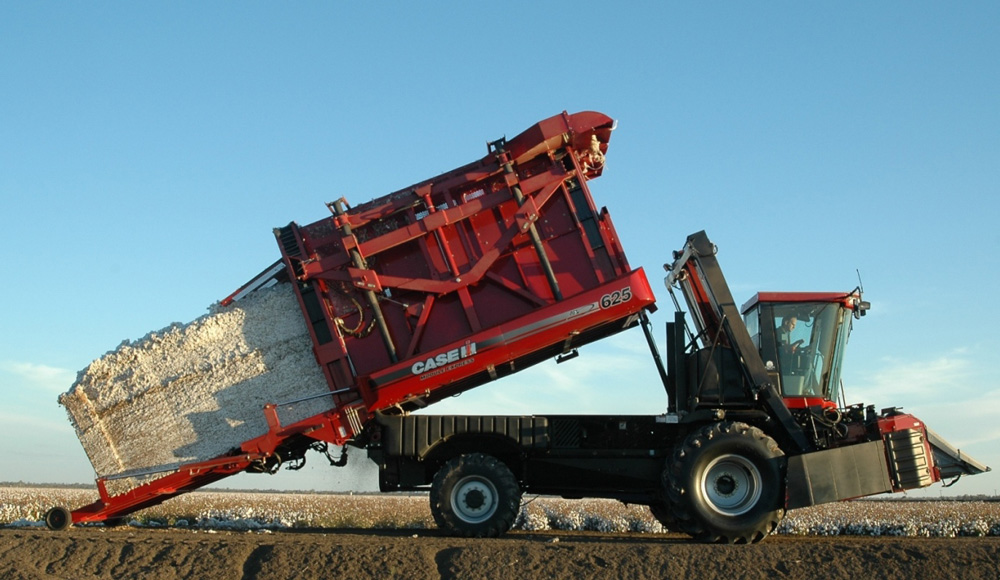
The gross value of cotton production in Australia is forecast to decrease by 31% to $3.6 billion in 2022–23, down from a record $5.3 billion in 2021–22. The substantial decrease is the result of lower international cotton prices as well as a drop in local production volumes.
And while prices are expected to remain lower than previous highs, they are still well above the long-term average. Although strong incentives remain for local growers to plant cotton, back-to-back cotton plantings are expected to reduce yields, and above average forecast rainfall for spring restricted paddock access for planting across major production regions, resulting in decreased production
As a result, local cotton production is expected to decrease by 10% to 5.1 million bales in 2022–23, with another forecast year of above average rainfall. The planting of back-to-back cotton crops for many growers is likely to diminish yields slightly, due to disease pressure and soil compaction.
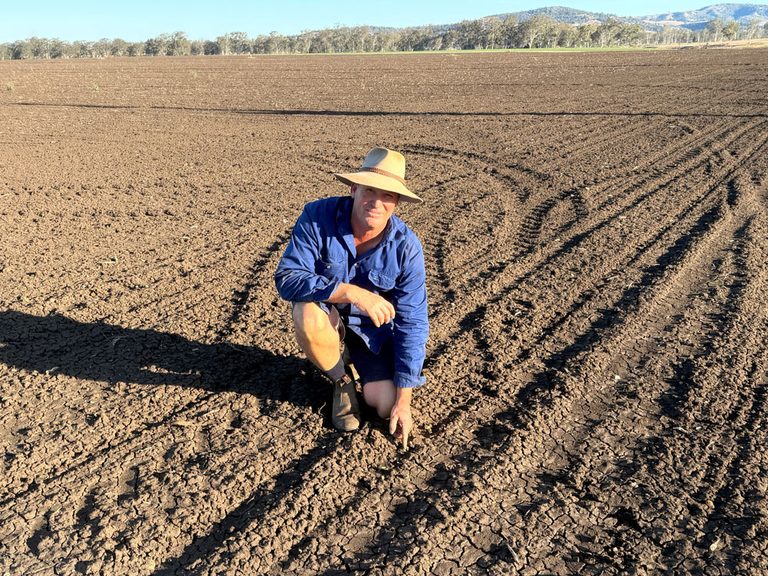
With heavy rainfall over recent months leaving soil moisture levels well above average, many growers will also look to plant a dryland summer crop in lieu of the missed 2022 winter planting.
The exceptionally wet conditions during the winter crop planting window resulted in large areas being left fallow with some estimates indicating the winter cropping area was down 30% in southern Queensland and 14% in northern New South Wales when compared to the 6-year median. Accordingly, dryland cotton area may expand on the fallowed area.
The view from Cotton Australia
The Australian cotton industry is still expecting a large cotton crop despite the persistent rain in much of New South Wales and Queensland impacting on already sodden paddocks, and in some cases, delaying picking and planting.
Only two years after severe drought, Cotton growers celebrated good water availability resulting in a record crop of 5.5 million bales last season, however the rain has persisted providing a headache for some farmers.
Late last week NSW emergency services reported every inland river catchment was either full or flooded from the QLD border to the VIC border with 99 active warnings and nine major flood warnings in place.
Cotton Australia CEO Adam Kay said his thoughts were with all the farmers who have suffered loss and damage due to the floods. “We are hearing reports of major infrastructure damage following inundation and we are keeping government stakeholders informed.”
There is major flooding in some cotton farming regions including Narrabri and Moree but at this stage the major damage appears to be to winter crops like wheat and barley.
“The northern half of NSW has a wider planting window and that means growers have till the latter half of November to get their crops in and maintain a healthy yield for the coming season, CEO Adam Kay added.
“We are confident they will achieve that if the rain holds off long enough to get out on their fields and get their crops in the ground. It’s a different story unfortunately from the Macquarie Valley south to the Victorian border with the planting window closing earlier and data showing yields decrease the later crops are planted in the region.
“Overall, at this stage we expect around a 10% reduction on our crop forecasts for 2023, and with about a third of that crop forward sold, we expect strong ongoing global demand for our cotton.
“We can sell every bale we get so we hope conditions improve quickly,” CEO Adam Kay explained. As further evidence of the diverse conditions facing farmers, cotton growers in the Northern Territory and Far North Queensland haven’t been impacted by the inundation like the south with planting expected to occur in December and picking the middle of next year.
“Further south many farmers already have seed in the ground. In some parts of southern QLD, the last of the 2022 crops are being picked, delayed because of floods, while in the Central Highlands and Callide Dawson in Queensland, cotton planted in August is already doing well despite some hail damage.
CEO Adam Kay also added, “The professionalism and adaptability of growers will see good results. Every grower has to contend with adverse weather events, but we have the science, the sustainable practices and the innovation to rise above the temporary challenges and retain consistency of quality and supply.”