The record breaking income value from season 2025-26 has given farm operations a solid foundation and a chance to rebuild or expand
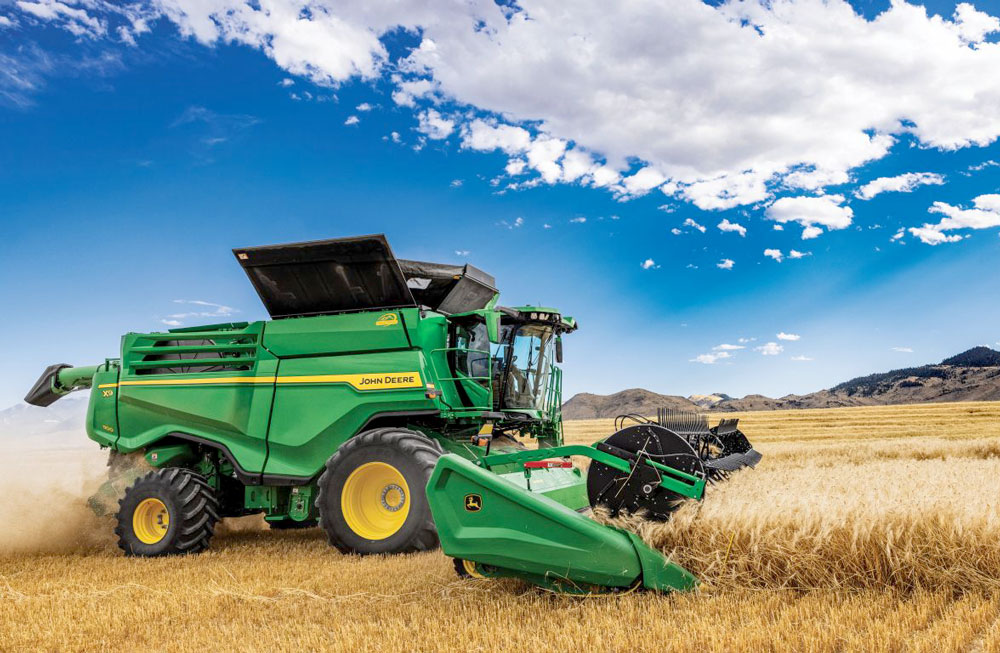
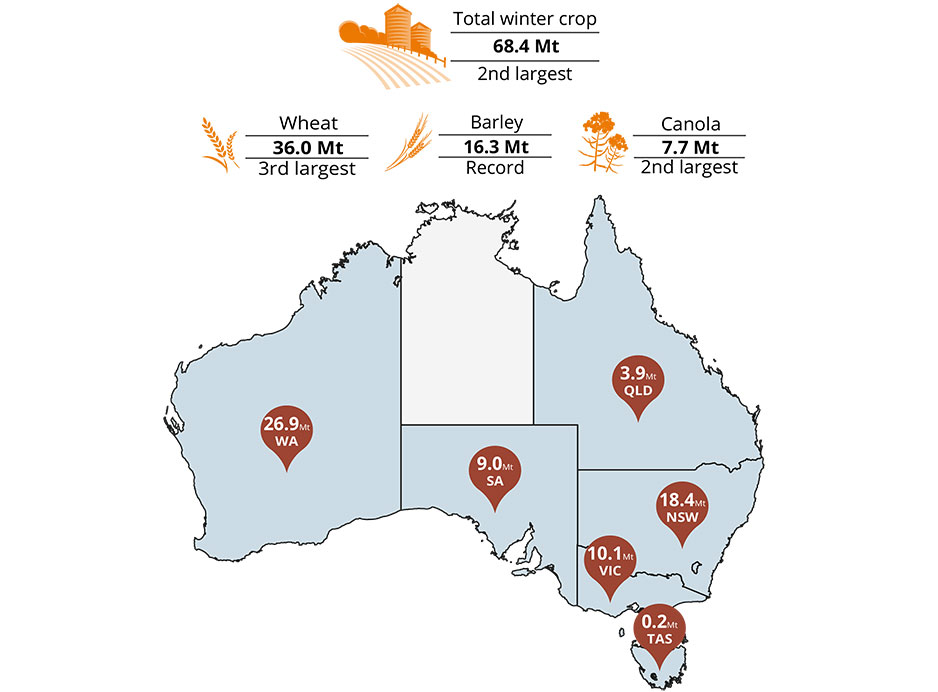
The 2025-26 winter crop tallied as the second largest on record at 68.4 million tonnes has played a vital part in farmers securing a farmgate value of $101.4 billion for the season with an estimated split of $47 billion from livestock and $54 billion from cropping.
When the combined endeavours of agriculture are added to pursuits in fisheries and forestry the monetary value tops out at $107.4 billion in 2025-26, a record that underscores the strength of our primary industries.
This 2025-26 winter crop result is 15% above the 5-year average to 2024-25 of 59.5 million tonnes, the second highest harvest result on record since the 2022-23 season.
A further benefit that will be derived from the 2025-26 season is the export value of $80.5 billion from farmgate endeavours and stretching out to $84.8 billion when fisheries and forestry is included.
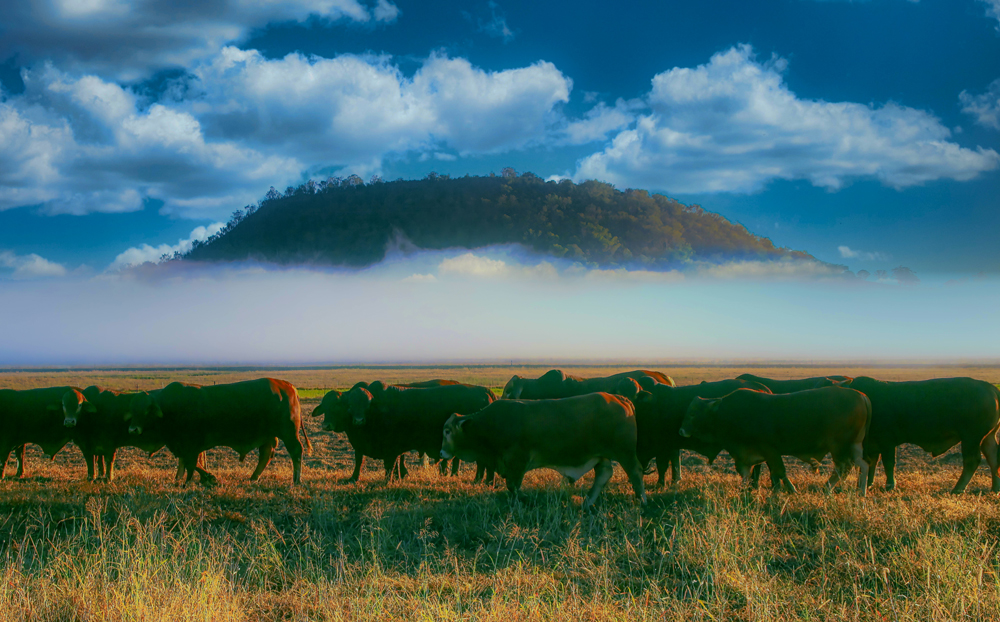
As a result of the good season, average broadacre profit was at a healthy $210,000 to be banked as compared to a decade back when it was usual for farmers to stave off low-income-loss seasons by using a combination of savings, off farm income and other risk management investments.
Mixed weather conditions throughout the 2025-26 season gave farmers across all states many sleepless nights from just about the start to the end of the growing season.
And while growers in Western Australia broke their own state record with a 26.9 million tonnes harvest, early in the season conditions were extremely dry and season looked dire.
However, crop prospects improved significantly throughout the season, with average to very much above average rainfall received from July to November 2025.

The above average rainfall landed where it was needed, and together with mild spring conditions it resulted in record winter crop yields, with production estimated to have surpassed the previous record set in the famed 2022-23 season by almost 600 thousand tonnes.
Another overall steady improvement came for growers in Queensland where seasonal conditions were mostly favourable for winter crop production to exceed the previous year’s record by 2%.
This result was aided by a 4% increase in the area planted combined with well above average yields.
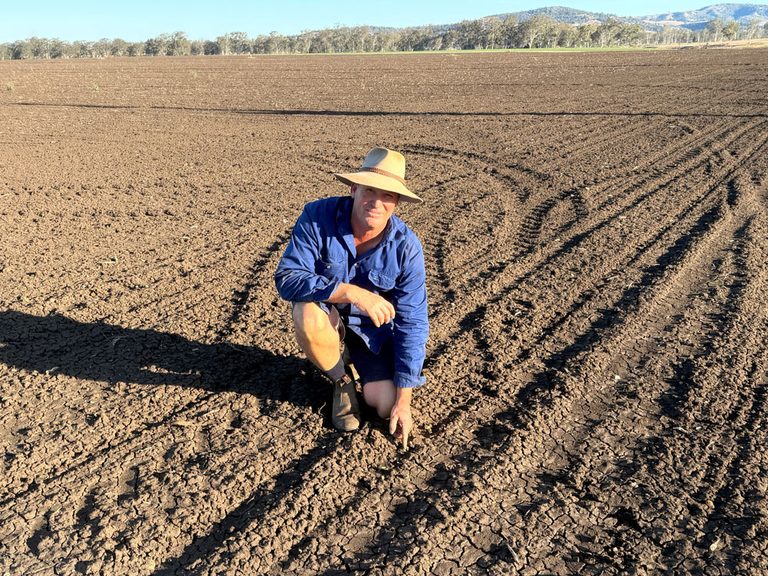
Further south it was a tale of two states as winter crop production in South Australia and Victoria was very reliant on luck as many crops were dry sown and suffered persistent dry conditions throughout autumn.
It wasn’t until July 2025 when farmers stopped taking Mogadon sleeping tablets to escape severe insomnia as much waited rain enabled good emergence.
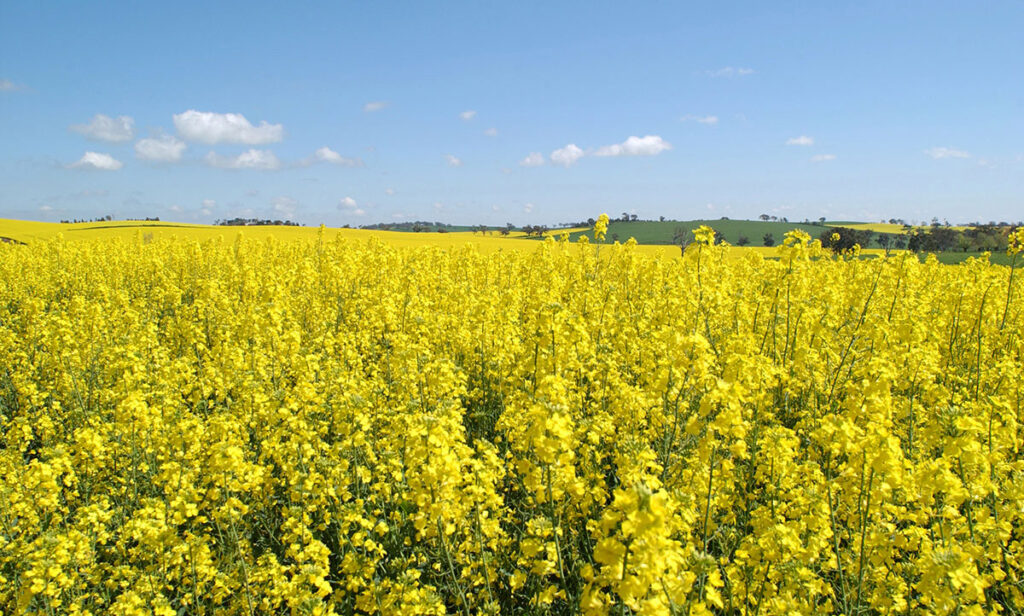
And even despite a dry start in early spring the tablets were no longer needed as good falls in October and November were timed to perfection and provided enough moisture for crops at critical growth stages.
Mild spring temperatures and a lack of frost events also resulted in crop yields being much better than expected in many regions with production reaching slightly above the five-year average to 2024-25.
Meanwhile growers in New South Wales took evasive action early in the season and planted area was down, and throughout the season while there were favourable growing conditions in parts of central and the north, this was more than offset by well below average conditions across southern New South Wales.
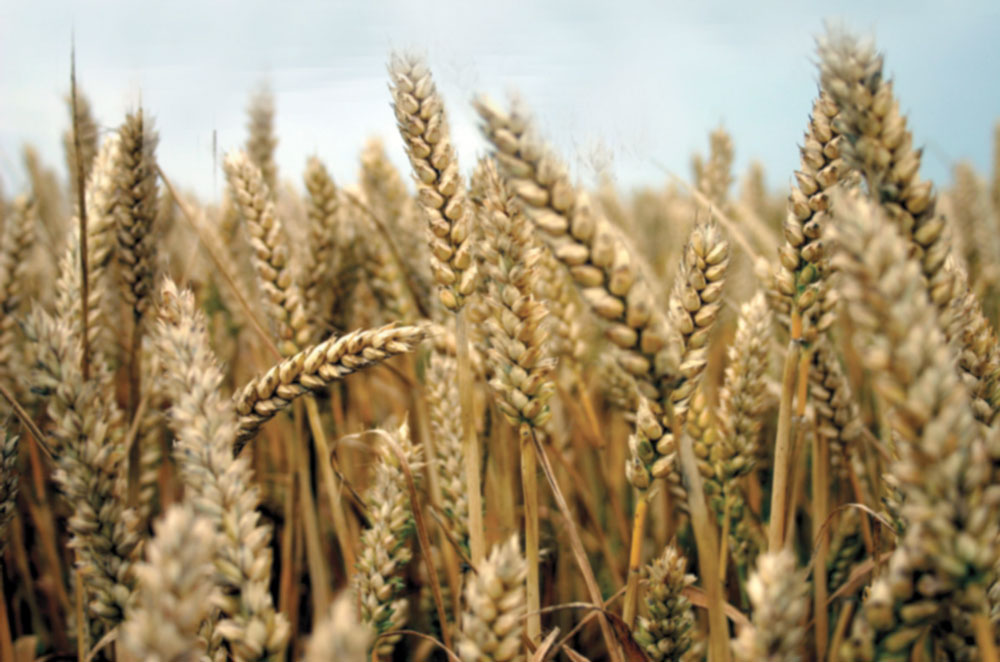
These conditions contributing to a winter crop production fall in NSW by 10%, reflecting both a fall in planted areas and lower winter crop yields.
Considering the challenging conditions, the outcome was stronger than expected and put down to improved farming practices that conserve soil moisture and advancements in seed varieties.
Also aiding the production tally for winter season 2025-26 is an increase in the area planted that also represents a national record of 25.2 million hectares.
Driven by enthusiast grower sentiment with an increase in the area planted in Queensland, South Australia and Western Australia. That was partially offset by a fall in the area planted in New South Wales and Victoria.

Winter crop production 2025-26 by variety
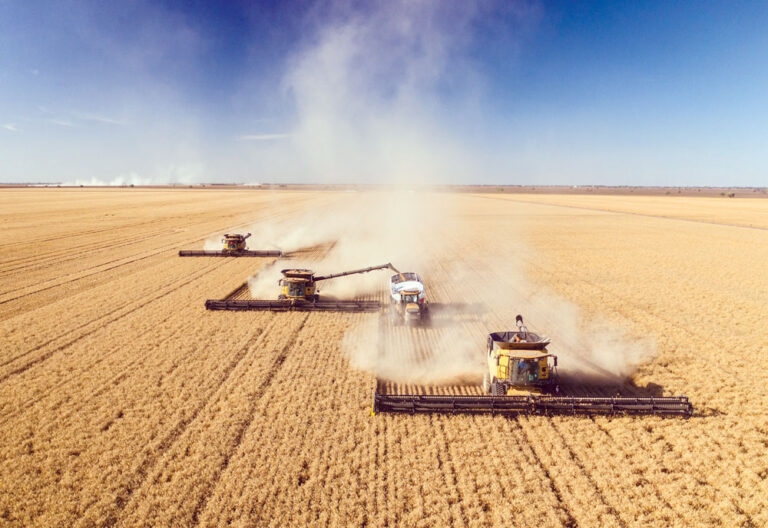
While the winter cropping season for 2025-26 got off to a slow start, it was with gratitude that growers accepted late but timely rain throughout the growing period that enabled the National winter crop production to reach the second-best result on record at 68.4 million tonnes.
- Wheat production is estimated to increase by 5% to just under 36 million tonnes in 2025-26, 7% above the five-year average to 2024-25. A 5% decrease in the area planted is estimated to have been offset by above average yields.
- Barley production is estimated to increase by 23% to a record 16.3 million tonnes in 2025-26, 21% above the five-year average to 2024-25. This reflects an estimated 3% increase in area planted and well above average national barley yields.
- Canola production is estimated to increase by 20% to 7.7 million tonnes in 2025-26, the second largest canola crop on record, driven by an 8% increase in total area planted and above average yields.
- Lentil production is estimated to increase by 60% to a record 2 million tonnes in 2025-26, reflecting a 10% increase in the area planted and yields returning to average levels after last year’s drought affected yields in major growing regions of South Australia and Victoria.
- Chickpea production is estimated to be down 4% at 2.2 million tonnes in 2025-26, despite an 8% increase in the area planted Yields are estimated to be down 11% from last year’s record level, but still 23% above the five-year average, with production estimated to be the second highest on record.