An innovative $20.4 million research project is expected to boost profits for grain growers in low and medium rainfall zones

The project will also consider greenhouse gas (GHG) emission options, and will be a joint five-year investment between the Grains Research and Development Corporation (GRDC) and the Department of Primary Industries and Regional Development (DPIRD).
The investment was announced today by Agriculture and Food Minister Alannah MacTiernan and GRDC Managing Director Nigel Hart at DPIRD’s South Perth site.
GRDC will contribute a total of $8.4 million, while DPIRD will contribute an additional $12 million. The project will focus on three broadacre cropping and mixed crop/livestock production regions in WA: medium rainfall south, medium rainfall north and low rainfall.
Mr Hart said the new investment had been developed in response to WA growers’ requirements for an integrative research and development project that looked at the ‘whole of farm’ implications of elements such as different crop rotations and agronomic management practices.
The research investment, which will be informed by ongoing consultation with western growers and advisers, had also been supported by GRDC’s western region panel.
“GRDC has been working closely with WA growers and advisers to really understand their needs at a farm level and this research project is a result of that collaboration,” Mr Hart said.
“This WA farming systems project will explore crop rotations, crop types, timing of seeding in a changing climate, potential weeds and disease management costs and consequences, and an understanding of the GHG emissions intensity of these different systems.
“The aim is to help growers get on the front foot in making business and agronomic decisions in changing climatic conditions in ways the enhance on-farm profitability and sustainability.”
The project aims to have growers in the low and medium rainfall zones of WA adopting and integrating agronomic and systems innovations by the year 2026, which could support a 10-20 per cent improvement in farm profitability.
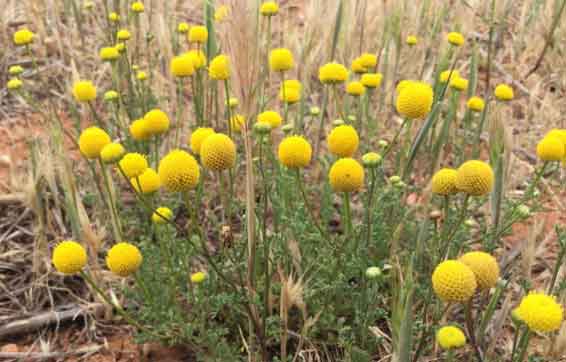
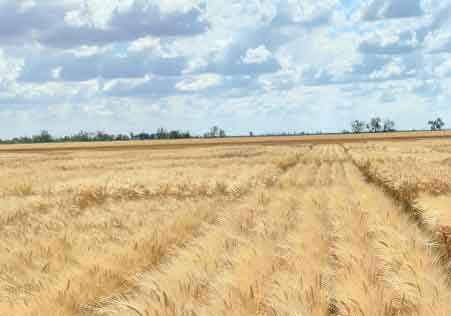
Matricaria and wheat varieties will be studied during the research period
Alongside profitability improvements, the research will also help growers understand the greenhouse gas emissions intensity of different farming systems.
DPIRD farming systems innovation manager David Ferris said the project would provide grain growers with scientifically proven tools and strategies to adapt their operations with confidence to the changing climate and market environment so their businesses can remain profitable, sustainable and competitive.
“With increasing demand for ethically produced food, alongside the challenges of climate variability, now is the time to examine the risks and opportunities for future grain production so industry can be at the forefront of research advances and build a strong and secure future,” Dr Ferris said.
GRDC Manager Agronomy Soils and Farming Systems – West, Uys Lourens, said that growers in low and medium rainfall regions needed to continue to adapt to strategic risks to remain internationally competitive, sustainable and profitable.“In order to do this, growers need the latest, best practice knowledge on how to manage current production system risks and prepare for potential future scenarios,” Dr Lourens added.
“A key part of this project will be engaging with growers and advisers. We will start with a consultation phase that will ensure this research focuses on locally relevant constraints and opportunities to help growers make informed decisions in complex farming systems.”
The project’s initial engagement phase will run through until October. It includes consultation with growers through regional workshops facilitated by consultants AgInnovate.
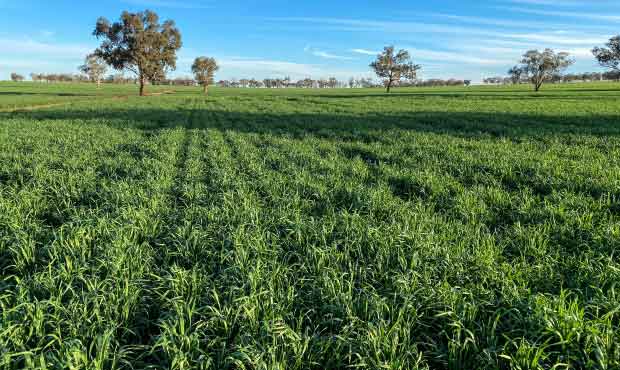
Alongside profitability improvements, the research will also help growers understand the greenhouse gas emissions intensity of different farming systems.
DPIRD farming systems innovation manager David Ferris said the project would provide grain growers with scientifically proven tools and strategies to adapt their operations with confidence to the changing climate and market environment so their businesses can remain profitable, sustainable and competitive.
“With increasing demand for ethically produced food, alongside the challenges of climate variability, now is the time to examine the risks and opportunities for future grain production so industry can be at the forefront of research advances and build a strong and secure future,” Dr Ferris said.
GRDC Manager Agronomy Soils and Farming Systems – West, Uys Lourens, said that growers in low and medium rainfall regions needed to continue to adapt to strategic risks to remain internationally competitive, sustainable and profitable.
“In order to do this, growers need the latest, best practice knowledge on how to manage current production system risks and prepare for potential future scenarios,” Dr Lourens added.
“A key part of this project will be engaging with growers and advisers. We will start with a consultation phase that will ensure this research focuses on locally relevant constraints and opportunities to help growers make informed decisions in complex farming systems.”
The project’s initial engagement phase will run through until October. It includes consultation with growers through regional workshops facilitated by consultants AgInnovate.
It will include a survey and grower group engagement, as well as the establishment of local regional innovation groups for each of the three target regions, based in Merredin (low rainfall), Katanning (medium rainfall – south) and Geraldton (medium rainfall – north).