Livestock producers already in the box seat for a steady rise are now followed by cereal growers as much-needed rain has arrived just in time.

Widespread rainfall in late July was all some farm operations needed to mark a turning point for the 2024-25 winter cropping season.
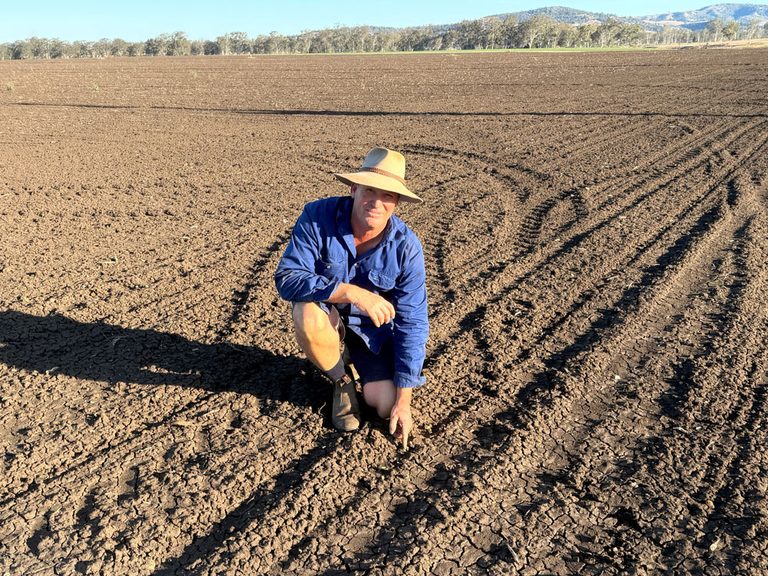
The rain has been especially critical for parts of Victoria and South Australia, where critically low soil moisture levels were experienced through June. For those growers, the July rainfall has been most profound and has given growers a renewed shot at achieving average yields or better.
For growers in New South Wales, Queensland and in most regions of Western Australia, the additional rainfall has been added to moisture profiles that were already in good shape, and the recent falls have further reinforced production confidence.
While it’s come late for Victorian and South Australian growers, the rainfall arrived in time to stabilise crop potential, provided spring conditions remain in this favourable mode, and that situation is backed by The Bureau’s three-month outlook for August to October that points to a wetter-than-normal spring.
Solid spring rain is expected across much of eastern Australia, driven by a developing negative Indian Ocean Dipole. While Western Australia is forecast to trend closer to average, with some persistent high-pressure systems that may limit early August rainfall in southern regions of WA.

Growers get a yield boost
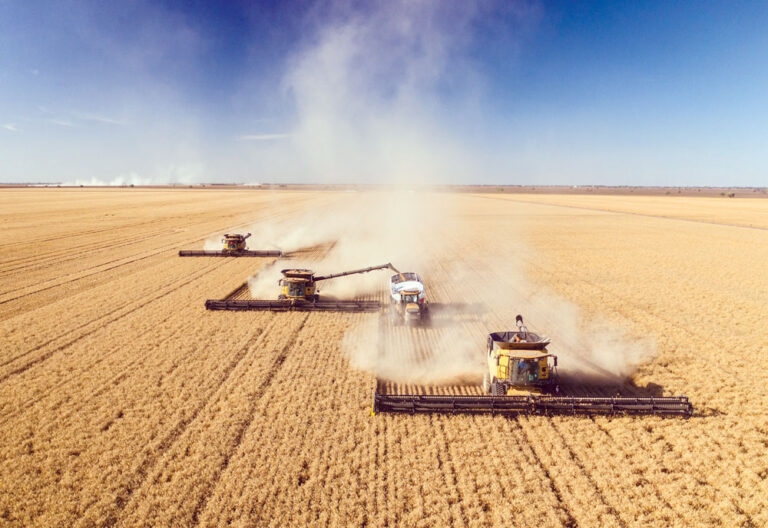
In general, analysts are more bullish about the 2024-25 winter crop harvest and have now increased their forecasts for wheat production from 30.6 million tonnes to over 32 million tonnes.
And with the extra production comes downward pressure on price, with America and the EU markets currently sitting at $338 and $362 a tonne, respectively.
However, growers who planted down canola and barley are expected to be offered comparatively stronger selling opportunities at harvest, relevant to current market conditions.
Barley prices have remained relatively firm, supported by tightening old crop stocks and steady feed demand through the eastern states. With spot feed barley quoted at around $321/tonne.
While new crop prices have eased only modestly in response to improved seasonal conditions, particularly relevant in South Australia and Western Australia. Barley continues to outperform wheat on a relative basis.
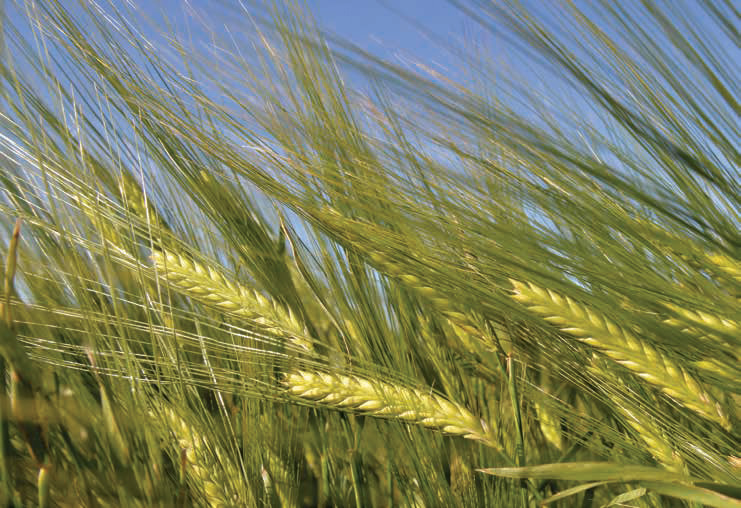
Widespread winter rainfall has boosted yield potential across most growing regions, with WA on track for a record barley area. Active selling has been reported in the West as confidence builds in the crop, while demand remains supported by feedlot buyers and export interest.
Canola prices have also softened over the past month following the expected crop yields but are only down around three per cent on early forecasts and remain historically strong, tracking at decile 8 or higher. Non-GM canola was quoted at $724/tonne in July.
Forward selling for canola has lifted slightly as confidence improves, though some growers remain cautious given the season’s late start and current crop immaturity. A favourable spring will solidify what is shaping up to be a well-priced and timely harvest cashflow option.
With production prospects improving and pricing still historically attractive, both canola and barley continues to provide better relative value and marketing flexibility than wheat at this stage of the season.
As a result of a strong northern hemisphere harvest, wheat prices have drifted lower, with wheat futures softening considerably over the past month. The Chicago spot contract is down nearly seven per cent, and EU and Black Sea wheat are flowing freely into global markets.
Spot CBOT futures have fallen around six per cent, with Western Australian prices following suit. East coast values have been more resilient, easing about two per cent, underpinned by low liquidity and limited grower engagement.
But on the flip side, despite the recent price movement, Australian wheat is sought after by several markets and continues to trade at a significant premium to global values.
Cattle prices surge
Local cattle producers have benefited from soaring beef exports to record the highest monthly export volumes on record in July at just under 150,500 tonnes breaking the previous highest monthly volume recorded in June this year.
And global demand for Australian beef products is expected to grow further, with all our major export markets currently recording growth, with Japan taking 23,000 tonnes and export volume to the United States ballooned up to a touch over 43,000 tonnes in July.
China was also on the rise to sit at 31,000 tonnes, in July, 90 per cent greater than this time
last year. South Korea also saw one of their largest purchasing months of Australian beef at just under 21,000 tonnes.
This export demand has related directly to producers income with local cattle prices getting a monthly boost of 24% on the National Young Cattle Indicator, and now sits at 26% higher than a year ago. Presently sitting at 441c/kg.
Recent rainfall has also encouraged some increased restock demand not seen earlier in the year. In addition to this, plenty of reports of weather issues preventing greater numbers of cattle coming to market has also applied upwards pressure on prices.
The outlook for cattle prices points to a marginal increase through August, with the advantage of a wetter-than-normal spring across most cattle regions to entice even more restocking demand heading into the back half of 2025 and result in further price rises.
Also in producers’ favour is the Trump Administration’s tariff on Aussie beef going into the US kept at 10% for the time being, however, this number may increase anywhere from 15 to 20% moving forward.
So far, the tariff has not directly impacted export levels on volume or price, as the US export volume has continued to increase this year, with year-to-date exports sitting at 27% higher than in 2024.
And in response to US cattle production, recent forecasts indicate that US beef is set to see year–over-year declines in 2025 and 2026, and with a 50% tariff on Brazilian imports, export demand for Aussie beef is not expected to shift lower in the short term.