Following a high value harvest from the winter season 2024-25 GRDC is putting procedures in place to ensure grain growers can retain or increase yields

GRDC has moved to protect grower interests by establishing more realistic biosecurity simulation exercises, initire the development of a grains’ biosecurity guide and appoint of a national biosecurity co-ordinator to oversee everything.
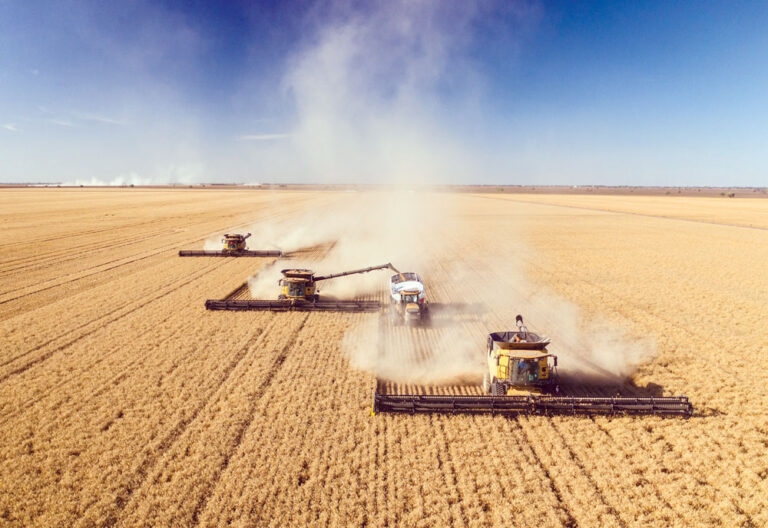
These are some of the latest proactive steps to protect grain growers against exotic plant pests, following the second-best harvest on record at 55.1 million tonnes that is expected to be worth almost $50 billion at the farmgate.
The Grains Research and Development Corporation (GRDC) and Plant Health Australia (PHA) have signed off on a joint $3.5 million Memorandum of Understanding (MOU) to bolster the Grains Industry Biosecurity Plan 2023–28 further.
The additional investment will support the implementation of the national biosecurity plan, that was announced in August 2024 to strengthen biosecurity protections and help safeguard our $32 billion grains industry.
The extra $3.5 million from GRDC adds to the substantive investment growers contribute to biosecurity through the PHA/Biosecurity Activity Levy (approx $2M/year), the Exotic Plant Pest Response Levy (approx $1M/year) and a range of GRDC investments to address biotic threats that totalled $56.8 million in season 2023-24).

The Grains Industry Biosecurity Plan has been developed to give industry, governments and stakeholders the expert framework and focus needed to help prevent, prepare for, and respond to grains-specific biosecurity incursions.
Developed in collaboration with industry leaders and biosecurity experts, the plan identifies more than 1300 different exotic plant pests and disease threats that could impact our local grains industry. It also details several programs and proactive measures required to protect growers, industry and the economy.
GRDC Managing Director Nigel Hart said the MOU would provide another $3.5 million to allow critical measures to be implemented.
“GRDC on behalf of Australian grain growers is investing in this work with our main partners Plant Health Australia,” Nigel Hart explains.
“We are doing this to support the industry to develop improved biosecurity practices, so we are prepared and proactively guarding against the very real threat exotic pests and diseases pose to agriculture.
“Importantly this plan has the support of the entire industry. We are working together to ensure the systems are in place to allow us to be responsive and act in a timely way – two critical factors that can be the difference between effective control and industry devastation,” Nigel Hart concluded.

Sarah Corcoran, PHA Chief Executive Officer, emphasised that while grain growers and the broader agricultural sector were the main beneficiaries of a strong and proactive biosecurity plan, benefits extended to governments, industry, researchers and the wider community.
“The grains industry is a vital contributor to both our national economy and many regional economies,” Sarah Corcoran expressed.
“As biosecurity threats grow more complex in our changing world, it is crucial that we unite our efforts with a shared purpose and clear, measurable outcomes.
“We intend to build on previous initiatives to identify pressing current and emerging exotic pests of greatest concern to the grains industry, with a practical guide outlining key areas for surveillance, education, and mitigation efforts.

Australia’s biosecurity system responded quickly to the arrival of fall armyworm in northern Australia in 2020 – Image: Chazz Hesselein Bugwood.org
“This will enable both industry and government to make informed decisions in response to growing biosecurity challenges facing Australia.
“At the heart of this agreement is a strong partnership framework, ensuring that both the GRDC and PHA are as prepared as possible to combat some of the world’s most devastating exotic pests,” Sarah Corcoran concluded.
The biosecurity plan will be reviewed and updated regularly over the coming years with a particular focus on three main areas of focus:
- Pest risk scanning to ensure we capture and learn from the latest international literature on our key pest threats.
- Ongoing coordination of the development and management of preparedness information resources.
- Reviewing the plan’s progress to improve understanding of pest risk profiles and entry pathways, and to target surveillance efforts to areas of greatest risk. The plan also details development of an enhanced partnership approach between key players.
The role of GRDC
GRDC is one of 15 Rural Research and Development Corporations (RDCs) responsible for planning, investing in and overseeing research, development and extension for 25 leviable grain crops. The purpose of the GRDC is to invest in RD&E to create enduring profitability for Australian grain growers.