Food engineers claim lab-cultured plant-based yoghurt rivals dairy creaminess in their attempt to disrupt the market

Food engineers claim to have harnessed the power of lupins (legumes) to create a yoghurt that they say rivals dairy in taste and texture while delivering more nutrition than typical dairy yoghurts.
These are all claims to be tested by public sentiment but as far as the formula is concerned this ‘super-yoghurt’ already has some plusses in its favour due to its fast fermentation time, dairy-like texture, and nutritional profile.
Made with locally grown sweet lupins and oats, this ‘super-yoghurt’ is highlighted in a Monash University study as a major advancement in the plant-based food sector,
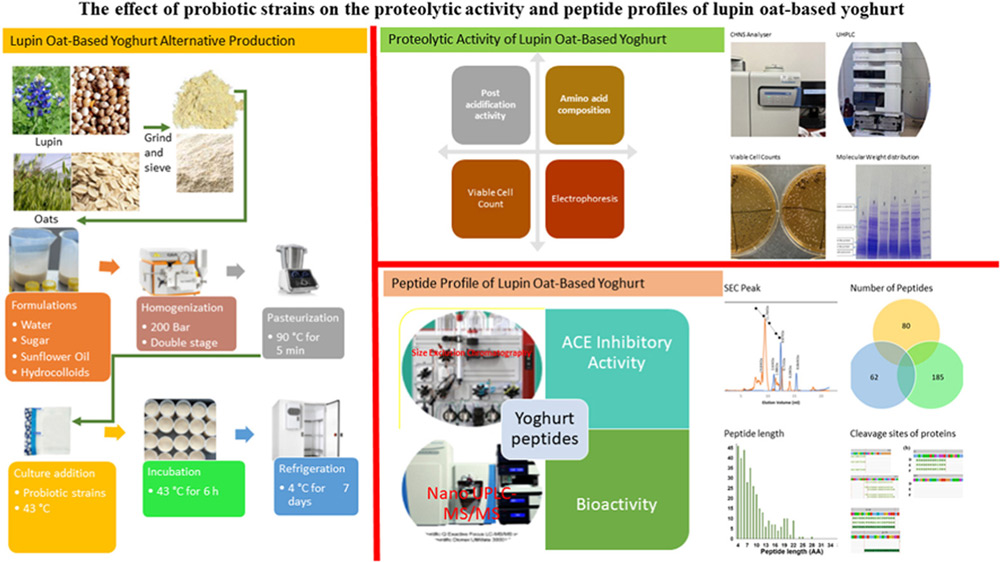
Led by Associate Professor Sushil Dhital and PhD candidate Damodar Dhakal at Monash’s BioPRIA institute, the study analysed yoghurts over seven days of refrigerated storage after fermenting them with various combinations of probiotic strains.

The investigation was conducted to understand how different probiotic mixtures influenced yoghurt quality over time. It found the lupin-oat milk yoghurt fermented with a combination of Lactobacillus plantarum and Bifidobacterium probiotics was the standout batch.
Associate Professor Dhital said the high protein and fibre content of lupins, along with the unique probiotic combination used in the yoghurt, contributed to its thick creamy palate, along with its impressive nutritional profile and texture.
“Our analyses shows oat-lupin yoghurt is equally as natural and nutritious as dairy yoghurt. It’s also lower in saturated fats compared to most coconut-based yoghurts, and potent with other micro-macro nutrients and beneficial bacteria that make it an enticing alternative for the yoghurt industry,” Associate Professor Dhital explained.
“As the first yoghurt made from raw lupins and oats, the development represented a significant step forward in plant-based food innovation.

“This is a next-generation plant-based yoghurt I think consumers have been waiting for,” Associate Professor Dhital added.
“Lupin, an ancient legume, has been cultivated to create the first oat-lupin yoghurt that rivals the creaminess, protein and fibre content of traditional dairy products. In yoghurt made with a particular combination of probiotic species, we observed accelerated fermentation times, and a texture and mouthfeel that mimicked dairy yoghurt.
“Manufacturers interested in developing the lupin-oat yoghurt into a commercial product are free to utilise our research and we are happy to offer technical support to industry. Further research could enhance texture and flavour development as well as explore the yoghurt properties,” Associate Professor Dhital added.
As part of the formula mix, locally grown sweet lupin is iconic to Western Australia, which is responsible for 85% of the world’s lupin crop. It will give growers in WA a major boost if the public gets behind this plant-based formula.
Once an ancient staple, lupins are experiencing a resurgence in popularity, valued for their high protein content and nutritional benefits, and their ability to improve soil health makes them a sustainable option.