Cane growers have absorbed a back pocket price hit estimated at $150 million in additional cost for fuel as the 2026 harvest gets underway
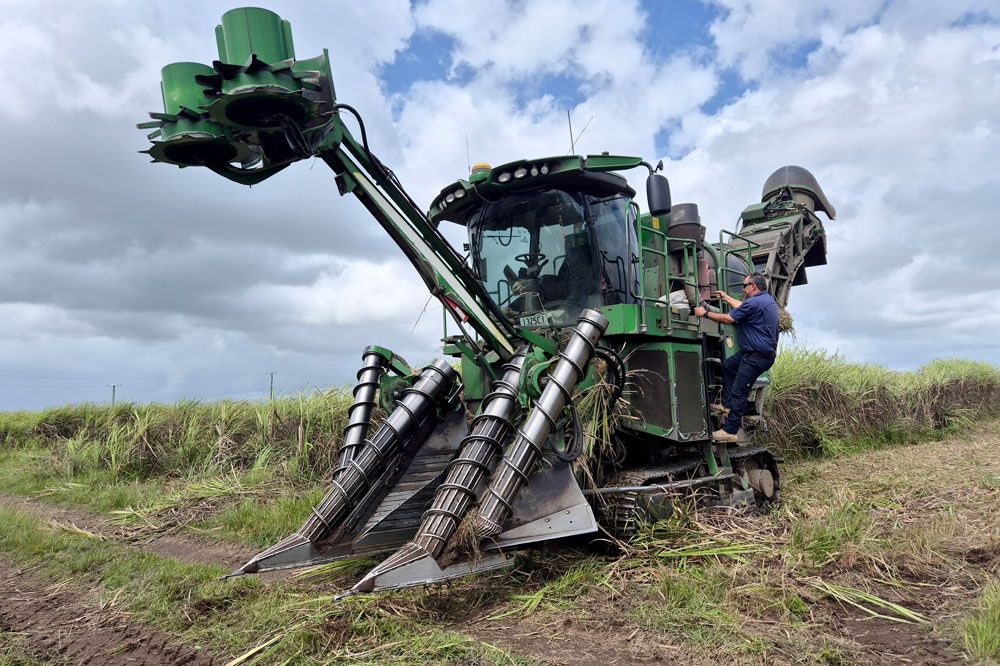
For cane growers stretched from the far north of Queensland down to just south of the Gold Coast the promising season crop growth has been hit with abrupt interruptions from escalating input costs.
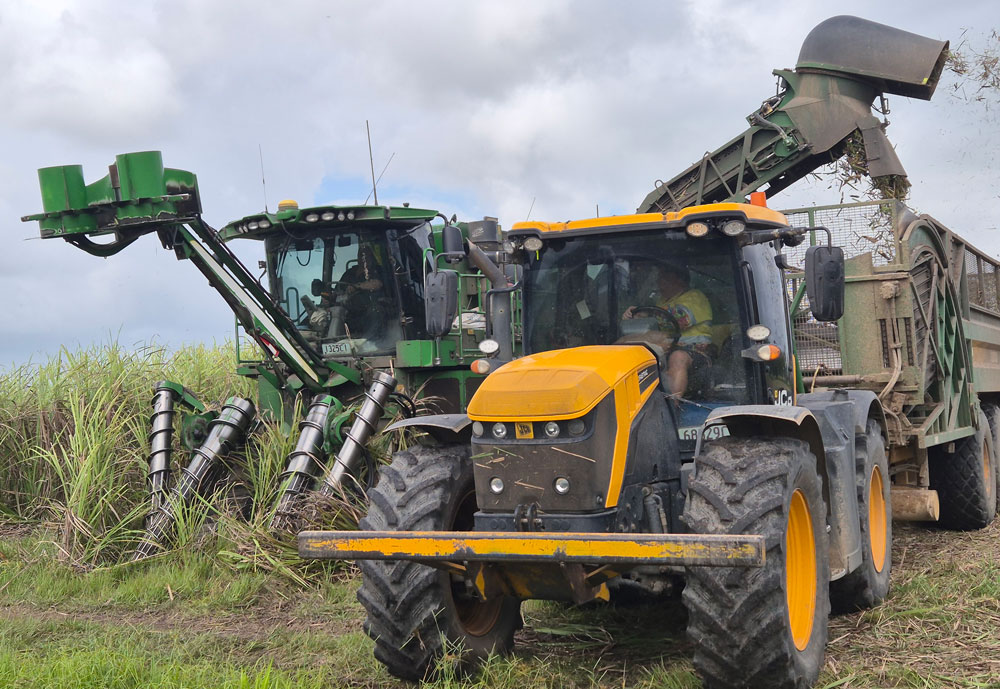
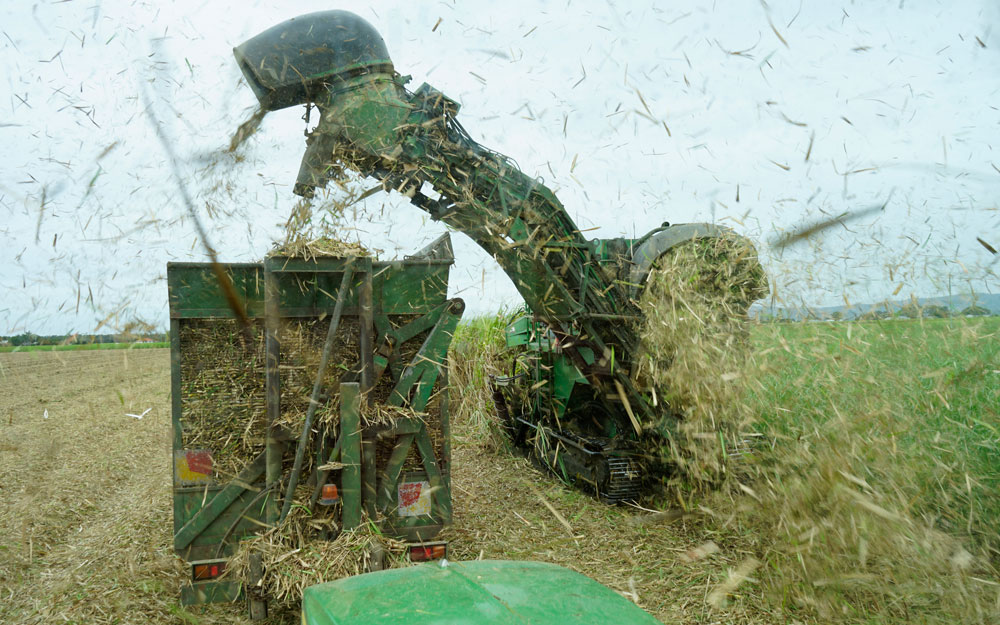
Putting the main adversities aside, cane growers have their harvesters ready to roll as Queensland’s 2026 sugarcane crush officially gets underway next week, with harvesters rumbling into life across the state’s far north.
It will be Tableland’s crews firing the starter gun on the seven-month long harvest, with the first rakes of cane due to go through the rollers at MSF’s Arriga mill on 18 May 2026, and end in December further south.
Following the Tableland’s, Tully Sugar will be the next cab off the rank, kicking off its crush three weeks earlier than usual on 26 May due to a larger volume of crop to handle this season.
The remainder of the cane harvest sector from Cairns to just south of the Gold Coast in northern NSW is expected to harvest in time to begin crushing throughout June.
Seasonal conditions good for most
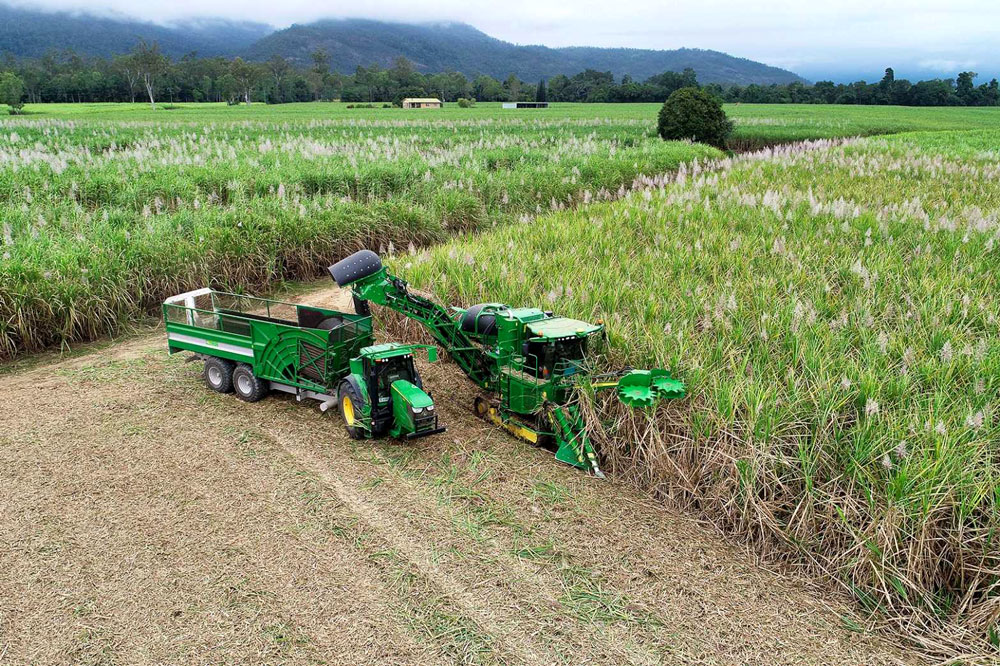
Conditions across growing regions have been generally favourable for the 2026 season, with around 29 million tonnes expected to be cut and processed by December 2026.
Growers would be expecting a return of $2.5 billion from the season if prices had held at an avarage level.
But despite what is generally considered a good growing season, 2026 could prove to be one of the most financially and emotionally stressful years in recent memory for Queensland’s cane-farming families.
CANEGROWERS Chairman Owen Menkens described the dilemma growers have faced, “It’s not too often that the stars align, and we get the holy trinity – good crop, good weather and a good price. Sadly, this year the good price factor is missing.
“The crop volume and quality look promising from favourable conditions in the paddock, but the sugar price is really dragging growers down.
“Our cane producers are one of the few sugar industries in the world fully exposed to the global sugar price. We’re directly impacted by supply and demand fluctuations and soaring input costs,” Owen Menkens qualified.
Growers looking over their shoulder
However, it’s not just sugar prices weighing on the cane sector this year.
Ongoing fuel supply uncertainty has raised fears some growers may struggle to source enough diesel to harvest their cane.
Almost 100 million litres of diesel will be required between now and the end of the year – most of it for harvesting and planting operations and transporting cane to mills.
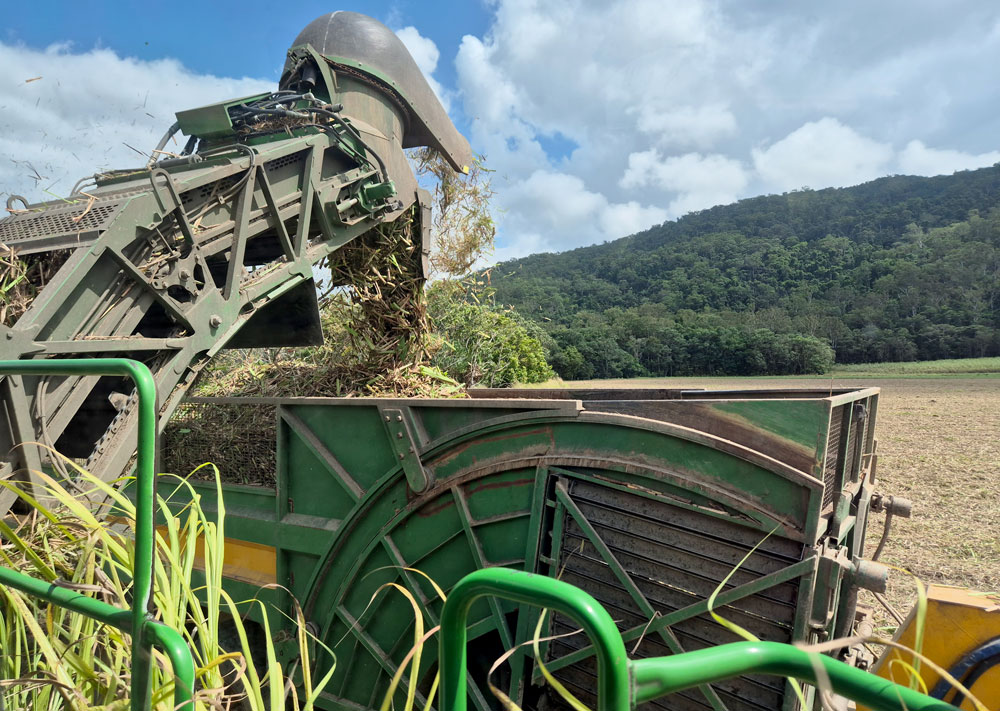
A CANEGROWERS member survey conducted in April found growers statewide had less than four million litres of fuel on hand, while one in 10 had tried unsuccessfully to source fuel in recent weeks.
Fertiliser availability is equally concerning, with around 130,000 tonnes of urea needed between now and December, but with significant uncertainty about supply.
“It’s an anxious time for growers,” Owen Menkens contends.
“CANEGROWERS has been working directly with the fuel and fertiliser sectors, who have assured us supply is on the way, but the high diesel price alone is expected to blow a massive $150 million hole in grower profitability.
“The challenges we have faced in 2026 are unprecedented, but the industry has pulled together to get ready for harvest. That level of cooperation will be critical to continue to get us through to the end of the season,” Owen Menkens concluded.