The move towards a more plant-based food system intensifies as a group backed by the University of Helsinki focus on Sunflower as an additive to low grade meat products

Climate change and natural resource scarcity are the catch phrases being used by scientists to gain grants to research the yet secret formula for plant-based products to replace animal meat.
The move towards a more plant-based food system is being vigorously investigated in Europe by VTT, DSM, DIL German Institute of Food Technologies, University of Helsinki and ABP Beef.
This group has launched a research project aimed at utilising sunflower press-cakes as protein ingredient to develop sustainable and tasty meat alternatives.
VTT Technology Centre of Finland coordinates Taste2Meat, an EIT Food funded project, which focuses on mitigating climate change and increasing EU’s protein self-sufficiency by providing sustainable meat alternatives to reduce meat consumption.
“Our food system is going through unprecedented crisis and there is even a higher risk of global food security compared to 2 to 3 years ago. Therefore, we must efficiently utilise existing plant-based side-streams as high-value protein ingredients for food.
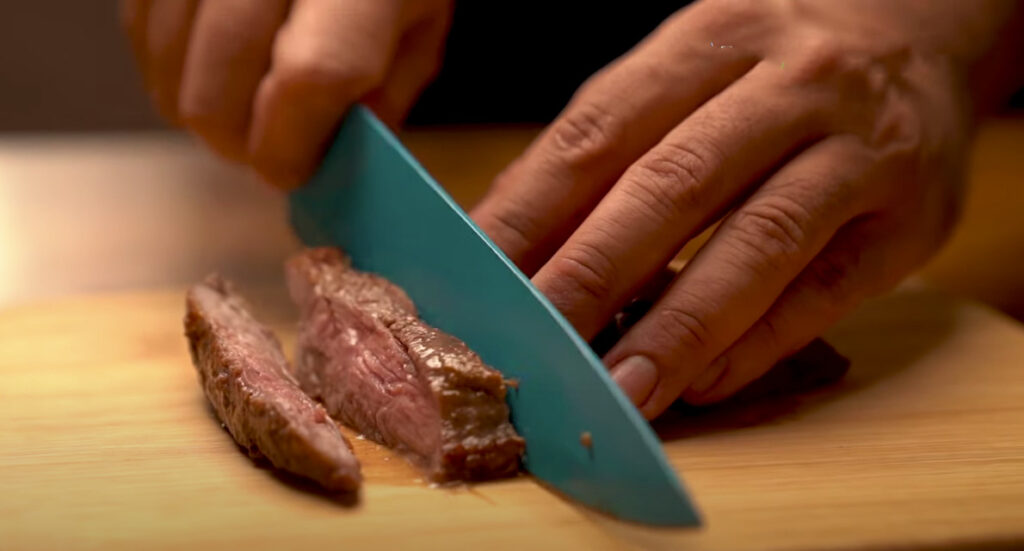
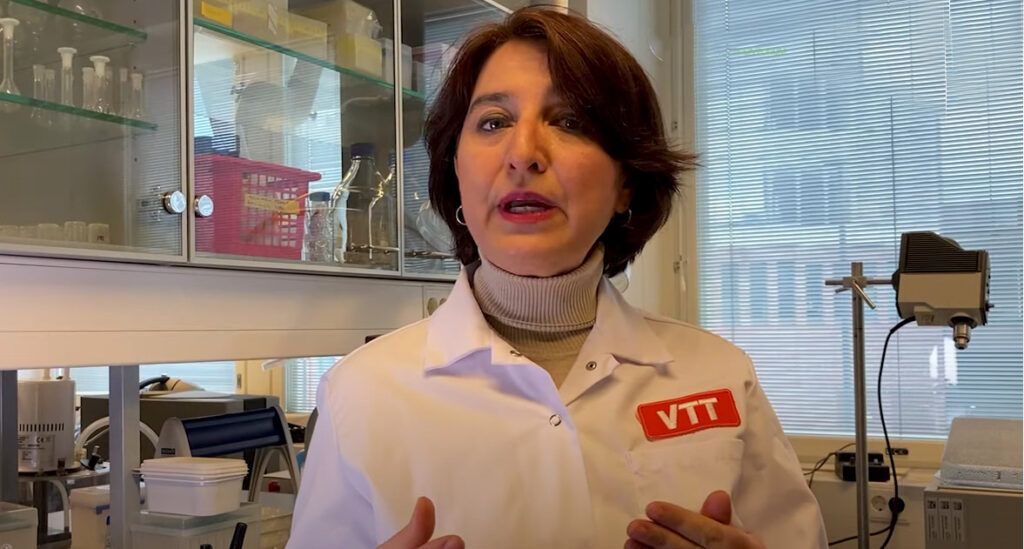
“Taste2Meat – project contributes to zero-waste and sustainable food system by upcycling sunflower press-cake as protein ingredient and designing both hybrid (meat and plant protein) and solely plant protein -based tasty meat alternatives to European consumers,” says Nesli Sözer, research professor at VTT.
“We are especially interested in a rising number of flexitarians, who integrate plant-based
products in their diet but consume mainly meat products. Tasty meat alternatives and hybrids create new business opportunities and enable smooth transition for people to increase the amount of plant-based ingredients in their diet.”
Sunflowerseed is the third largest oil seed source globally.
Sunflower press-cake is a side stream obtained from sunflower oil production. In addition, the project utilises pea and rapeseed proteins as co-ingredients together with sunflower protein.
The project participants aren’t so certain about a breakthrough in this round as they are prepared to investigate adding low-cost animal meat and fats into a final product they release.
How consumers perceive meat alternatives
One of the goals of this project is to enable quick market entry for meat alternative products and processes in current rapidly changing business environment through scientific know-how.
During the project consumer studies will be carried out to analyse European consumers’ perception and attitudes towards meat alternatives and the main added values that consumers associate with them.
“Consumer acceptance has a key role in development of feasible business cases around meat alternatives. Sensory properties such as taste and meat-like texture are the most influential predictors of meat alternatives acceptance,” Sözer concluded.
See more about the project on this video link