As the final tallies come in we take a closer look at the best performing crop varieties and see what states came out ahead from the 2025-26 winter harvest
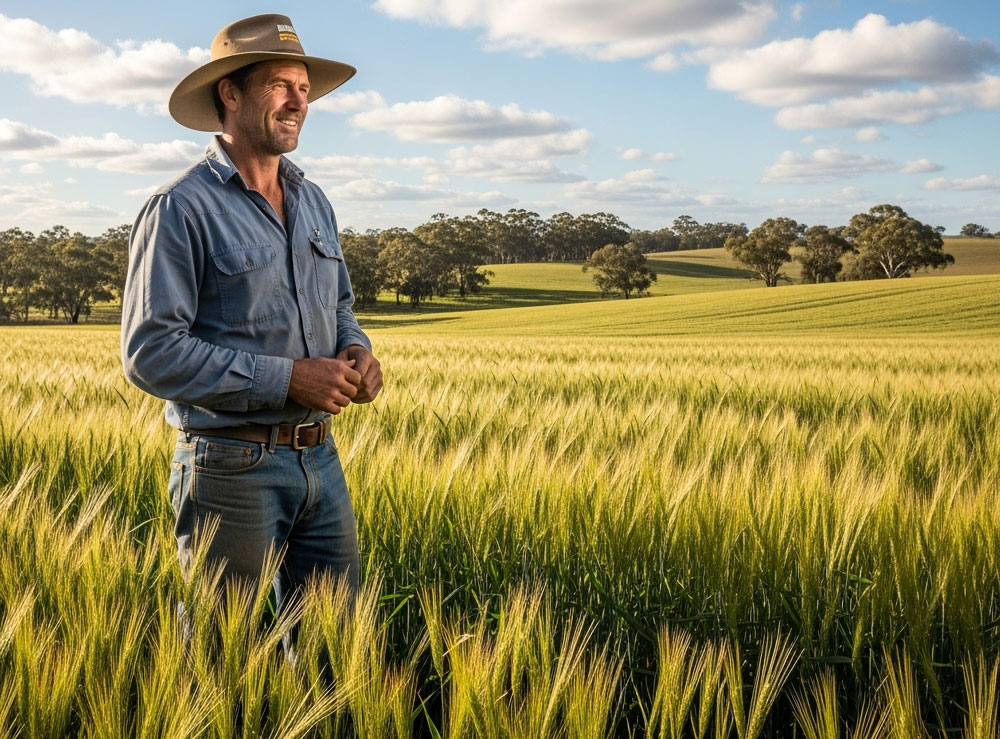
Crop growing management skills were well and truly on display to nurture the 2025-26 winter harvest to a near record conclusion of 68.4 million tonnes, the second largest on record and not far short of the 69.2 million tonnes from the remarkable 2022-23 record holding season.
The 2025-26 growing season was full of shaky starts, despair and deadends with growers making high-stakes financial decisions throughout the season to finally get luck on their side with better than anticipated rainfall near season end.
This second biggest winter harvest came about with record results on both sides the country, with strong yields in both Western Australia and Queensland.
And while New South Wales growers had good yields in some parts, there were regions that reduced the overall tally such as some dry spots in the southeast to be down on last year’s haul.
And with a seasonal start that included a high level a dry planting, growers in both Victoria and South Australia rode one of the most unexpected comebacks in recent seasons from a drier-than-expected spring to chalk up above average results,
Winter season 2025-26 could have gone either way for growers with weather patterns waning from dry to hopeful and back to dry again.
From a season that was hard to predict, growers were eventually rewarded with surprisingly high yields despite the below average to just average crop growing season rainfall.
Take a closer look at how each state fared.
Western Australia
Winter crop production in Western Australia increased by 17% to 26.9 million tonnes in 2025-26, realising a record level of production to beat the 2022-23 season haul of 26.2 million tonnes.
This result sits at 29% above the five-year average to 2024-25 of 20.8 million tonnes. The record harvest reflects an expansion in area planted to winter crops and above average yields.
Following a dry start to the winter cropping season, favourably timed rainfall events during July and August saw growing conditions improve significantly, especially across northern and WA southern cropping regions.
Mild spring temperatures supported favourable growing conditions. While the combination of above average rainfall and mild spring temperatures resulted in higher yields than most growers contemplated at season start.
The better-than-expected harvest results can also be attributed to improved farming practices and advancements in seed varieties.
Overall, the quality profile of the Western Australian wheat crop was heavily weighted to lower protein grades.
Despite the mild spring temperatures supporting grain fill periods, low soil moisture levels in the central growing regions meant that wheat crops in these areas failed to fill grain fully, leading to high levels of screenings.
Wheat production in Western Australia has increased by 6% to 13.4 million tonnes in 2025-26, a tally 18% above the five-year average to 2024-25. This result has been gained from an area planted of 4.45 million/ha, from a yield of 3.01 tonnes/ha.
Barley production is estimated to have reached a record of 7.2 million tonnes, driven by increased area planted and record yields. Area planted is estimated at 1.90 million/ha, from a yield of 3.79 tonnes/ha.
Canola production is estimated to have increased to 4.3 million tonnes to be the second highest result on record. A result aided by the area planted at 1.95 million/ha, from a yield of 2.18 tonnes/ha.
Lupin production continues to make major gains in WA with increased production of 0.92 million tonnes, a 57% gain on last year. Aided by a 14% increase in the area planted at 0.40 million/ha, from a yield estimated at 2.30 tonnes/ha.
New South Wales
New South Wales growers suffered a fall of 10% to a production level of 18.4 million tonnes in winter season 2025-26. And surprisingly, considering the drop, the result was still placed at the fourth highest harvest on record for NSW.
The area planted to winter crops in New South Wales is estimated to have decreased by 4% to 6.8 million/ha, still the third highest on record and 6% above the five-year average to 2024-25.
Seasonal conditions were highly variable across growing regions of New South Wales.
Favourable conditions resulted in above average yield outcomes in northern cropping regions but were offset by below average seasonal rainfall and disappointing yield outcomes throughout southern New South Wales.
Wheat production in New South Wales decreased by 13% to 11.2 million tonnes in 2025-26, with the average state yield forecast to be down 6% year-on-year but managed to still be 4% above the five-year average to 2024-25.
The area planted for wheat in NSW in winter season 2025-26 is estimated at 3.60 million/ha, down from last year by 7.7%. The average across state yield for wheat is estimated at 3.11 tonnes/ha.
Barley production was down 3% at 3.3 million tonnes from an estimated area planted unchanged year-on-year at 1 million/ha. The yield for Barley is estimated at 3.30 tonnes/ha.
Canola held the interest of growers with an area of 0.95 million/ha planted, just 4% down on last year. But production total of 1.68 million tonnes is down 15.8% with the only saving grace that it is still well above the 10-year average to 2024-25. Yield is estimated at 1.68 tonnes/ha.
Chickpea was embraced by growers with a 1.7% jump in the area planted to 0.59 million/ha. But production didn’t run to plan and suffered an overall fall of 8% to 1.2 million tonnes in 2025-26. Yield was estimated at 2.00 tonnes/ha.
Despite expectations of a better return, from mostly favourable seasonal conditions in many northern cropping regions, chickpea yields have been below expectations but still significantly higher than average, with production expected to be the second highest on record for NSW.

Victoria
Despite a dry start to the planting season, shadowed by limited early rainfall, Victoria growers improved on the disastrous result from last year with a harvest production increase of 30% to 10.1 million tonnes.
This is the third highest winter harvest on record and represents a result 4% above the five-year average to 2024-25 of 9.7 million tonnes. This high return harvest reflects total area plantings of 3.7 million/ha and overall average crop variety yields.
Following a very dry start to the winter cropping season, favourably timed rainfall events during winter and spring saw growing conditions improve, especially across the western and southern cropping regions of Victoria.
Despite below average rainfall during August and September 2025, a combination of factors contributed to the improved result for Victorian growers.
These included above average rainfall in October and November, cooler temperatures in November and December; increased water use efficiency; and minimal frosting events.
Growers that held steady at the start of the season and favoured late plantings had the benefit of higher yields than crops dry planted.
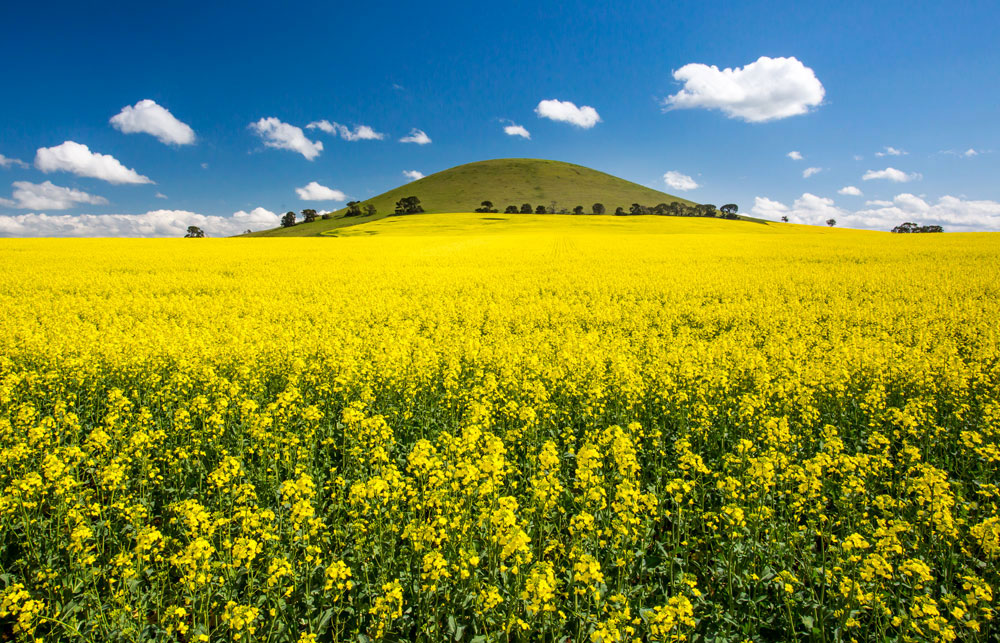
The better-than-expected harvest results can also be attributed to improved farming practices and advancements in seed varieties.
Harvest activity was prolonged in some central and southern regions of Victoria due to wet conditions recorded in November 2025. Given wet harvest conditions, overall quality was reportedly mixed across all grains, oilseeds and pulses.
Wheat production in Victoria increased by 21% to 4.3 million tonnes in winter season 2025-26., with the average state yield forecast to be 2.89 tonnes/ha, 3% above the 10-year average to 2024-25.
Area planted to wheat in Victoria in 2025-26 is estimated to have remained almost flat at 1.47 million/ha, 7% above the 10-year average to 2024-25.
Meanwhile the biggest production upturns were for barley, with barley production increasing 55% to 3.1 million tonnes and yields 14% above the 10-year average.
This reflects an uptake in the area planted to barley in Victoria in 2025-26, estimated at 0.85 million/ha, 7% above the 10-year average to 2024-25
And despite a fall in the area planted for Canola in Victoria at an estimated 0.54 million/ha, down 5%, the increased yield of 2.31 tonnes/ha lifted production to a total of 1.25 million tonnes.
Similarly, lentil production is estimated to have increased by 42% to a VIC state record of 0.925 million tonnes in 2025-26, with an average yield of 1.75 tonnes/ha. While the area planted for lentils in VIC is estimated at 0.53 million/ha.
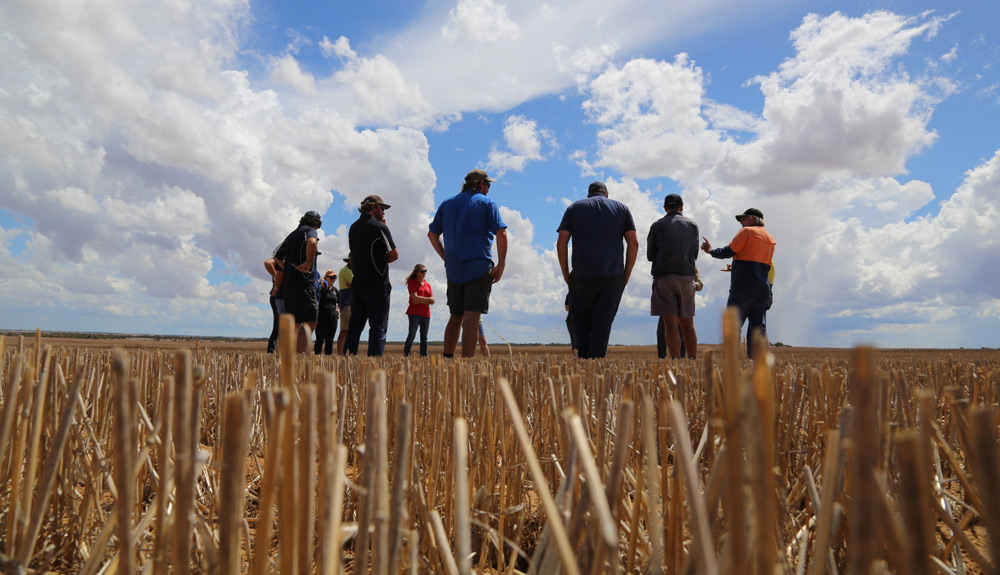
South Australia
Following a dismal result last year, winter crop production in South Australia increased by 68% to just below 9 million tonnes in winter season 2025-26.
This result reflects the benefit of timely spring rainfall at critical growth stages and mild spring temperatures from total area plantings of 3.9 million/ha.
Growers were faced with a very dry start to the winter cropping season, and it took a summons of courage to plant dry considering the state was coming off one of its worst seasons in recent years.
Those that took the plunge had to stave off dizzy spells right up to July when the first good rainfall came, enough to allow dry sown crops to emerge and get established.
Growers were again wiping sweat from their brow when faced with a dry start to spring, and that situation continued until October when enough rainfall came to support the late emerging crops. The heavens provided moisture at several critical growth stages.
Further rainfall in November, combined with mild spring and early summer temperatures provided ideal finishing conditions for crops in South Australia.
The 2025-26 winter season in SA became a testament to well managed crop growing practices that conserve moisture and improve water use efficiency together with advancements in seed varieties.
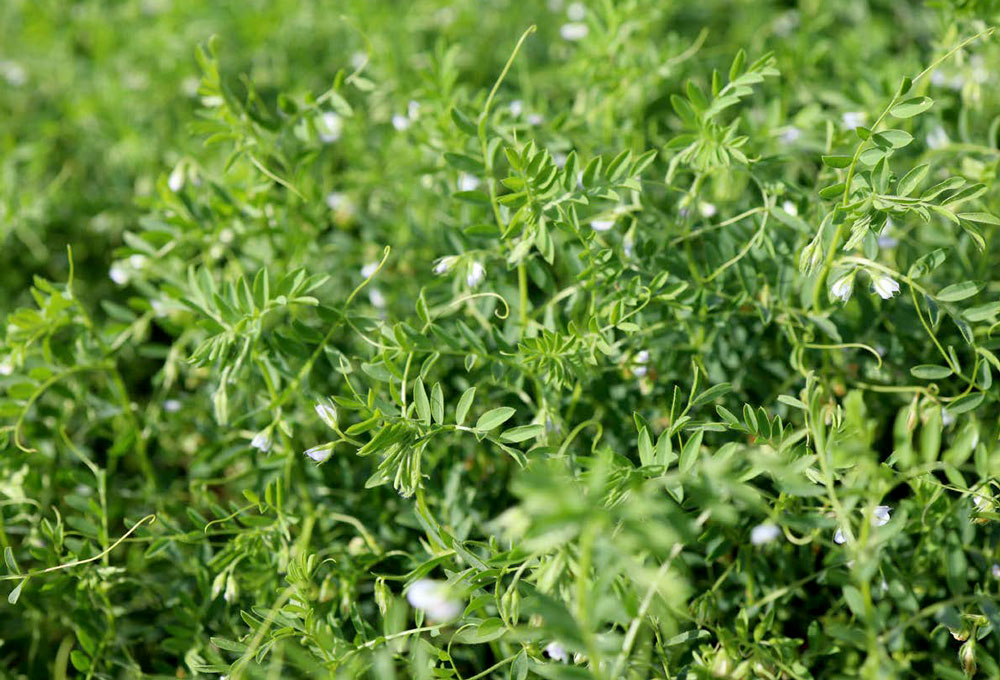
As a result, growers in South Australia were rewarded with surprisingly high yields despite the below average to just average crop growing season rainfall.
Wheat production in South Australia increased by 71% in 2025-26 above the dismal season last year, to 4.7 million tonnes, with the average state yield 3% above the five-year average to 2024-25.
The area planted to wheat in South Australia is estimated at 2.00 million/ha, just 2% down on last year, with an average yield of 2.37 tonnes/ha.
Barley production also got back to more normal expectations for South Australian growers with an increase of 65% to 2.1 million tonnes. This result came from an estimated area planted down of 0.83 million/ha. The average yield for Barley in SA was 2.57 tonnes/ha.
Canola came through for many growers with production up by 46% at 550 thousand tonnes, with canola yields across the southeast cropping region benefiting from the mild spring to register an average yield of 2.20 tonnes/ha.
This was a good result for growers as the area planted for canola in SA was down by 7% to an estimated 0.25 million/ha.
Meanwhile, many growers in SA put their faith in Lentils for the 2025-26 season with planting up by almost 10% to an estimated record level 0.52 million/ha.
As a result, Lentil production was up by 78% year-on-year at a record 0.99 million tonnes, from an average yield of 1.92 tonnes/ha.
Considering the dismal season start in South Australia, and as it looked likely at various stages throughout the season it could be another fail for growers, the God-saving rainfall resurrected crops to a better-than-expected harvest.

Queensland
Queensland growers were at the top of their game with a production increase of 2% to reach 3.9 million tonnes in winter season 2025-26, the highest winter production level on record for the state.
This result is 32% above the five-year average to 2024-25 of 2.95 million tonnes and is attributed to higher wheat production, and the year-on-year expansion in chickpea area planted and above average yields for most major winter crops.
Growers in Queensland also benefitted from timely rainfall and average to above-average soil moisture levels at planting and during the growing season.
Wheat production from winter season 2025-26 increased by 4% to 2.3 million tonnes, as higher yields of 2.63 tonnes/ha more than offset the lower planted area of 0.88 million/ha.
Barley production took a slight fall of 4% to 0.52 million tonnes over last year, reflecting a reduction in the area planted to 0.17 million/ha. With yields averaged at 2.94 tonnes/ha.
Chickpea repaid the faithful in Queensland with a production gain of 2.6% to 0.98 million tonnes but in the mix were lower yields of 1.93 tonnes/ha. That dampened expectations for the expanded planting area up by 20% to 0.47 million/ha to bring in a bonanza harvest.
But despite falling yields, chickpea production was still 100% above the 10-year average to 2024-25.
Queensland growers had a good run right down to the line in the 2025-26 winter crop harvest with relatively dry finishing conditions for uninterrupted paddock access.