Independent repairers will have the right to fix latest model farm machinery within warranty periods following Federal government push

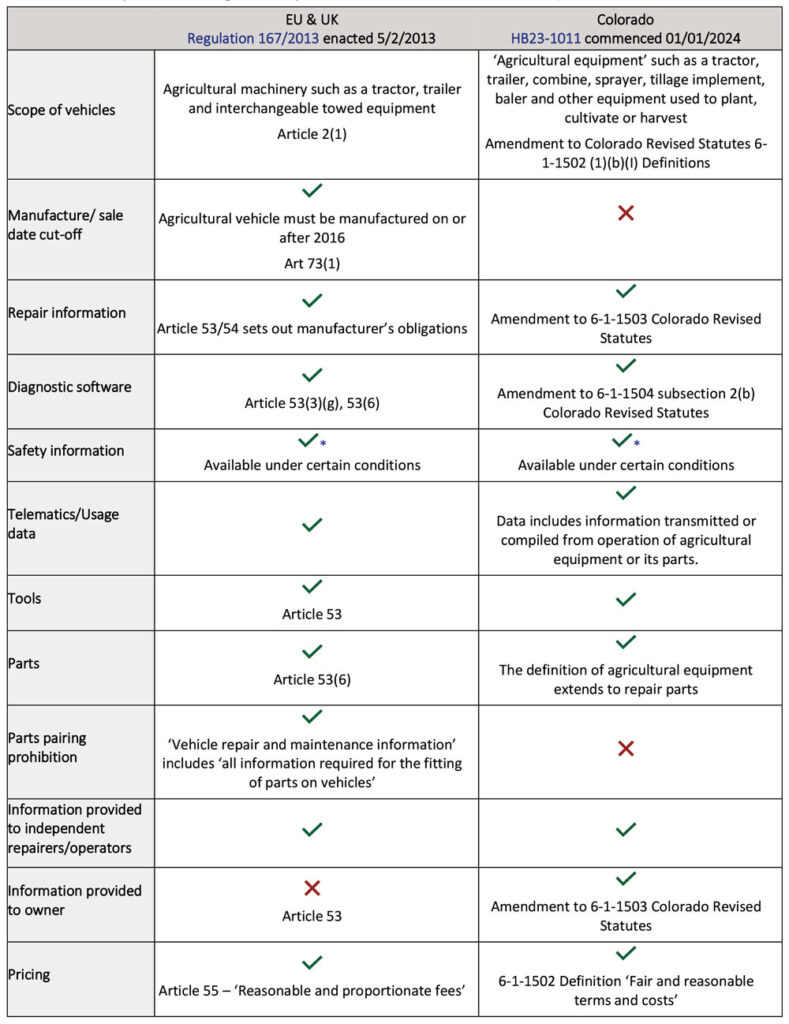
The Victorian Automotive Chamber of Commerce (VACC) is urging its members to catch up with the release of a Federal Government discussion paper proposing to expand the Right to Repair framework to all agricultural machinery, including within full warranty periods.
VACC Chief Executive Officer Peter Jones outlined how the discussion paper represented a meaningful commitment to building a fairer and more competitive repair market for independent businesses across Victoria, Tasmania and beyond.
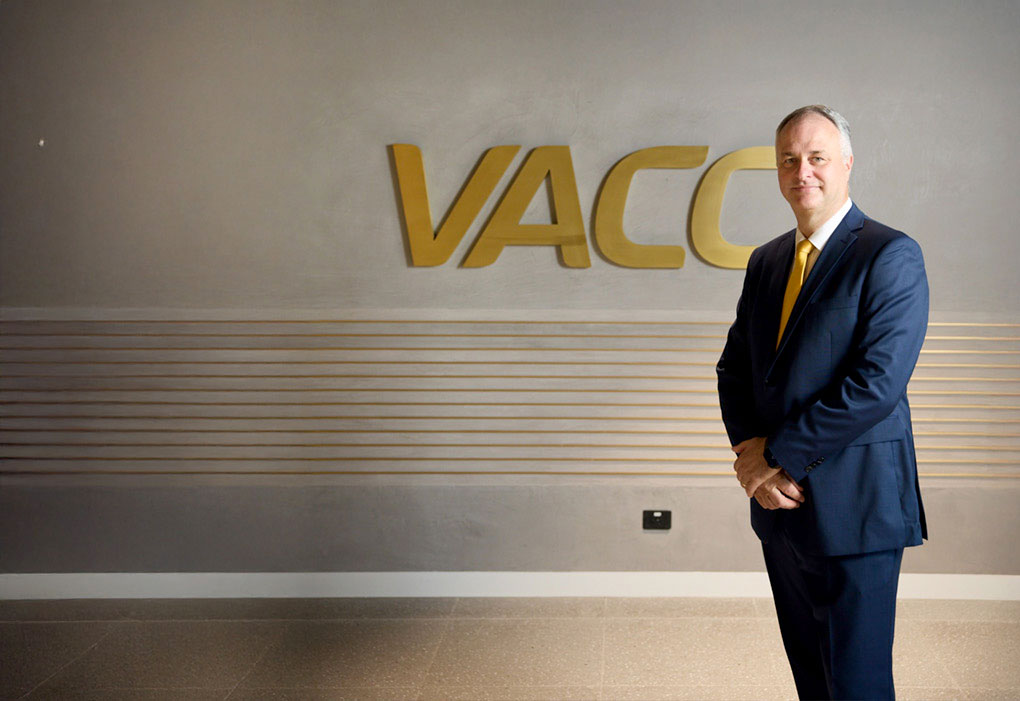
“VACC has been a consistent advocate for Right to Repair, and we are pleased to see the Government progressing this reform in a substantive and considered way,” Peter Jones explained.
“The motor vehicle scheme has already delivered real results — a $2.4 billion expansion in the repair sector’s annual turnover since it commenced is not a minor achievement. It demonstrates that when independent repairers are given fair access to the information they need, they can compete, grow, and deliver for owners.
“This discussion paper builds on that foundation and addresses some of the practical barriers that still exist in the day-to-day operation of the scheme,” Peter Jones concluded.
Next step to enact the reform
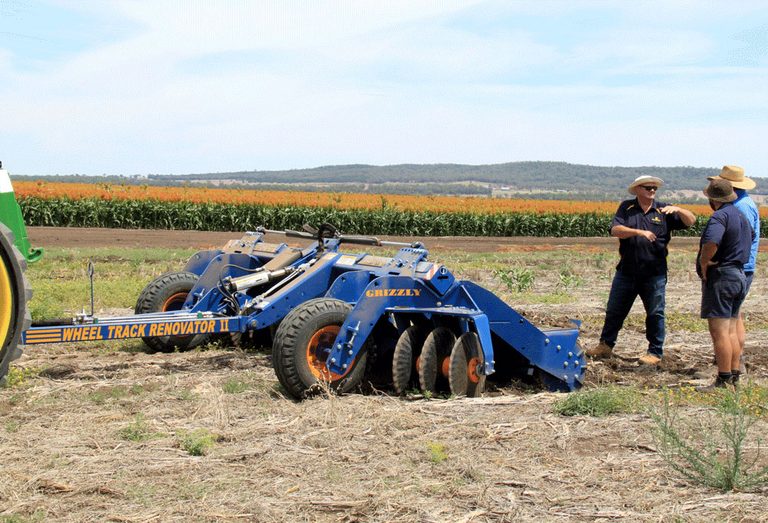
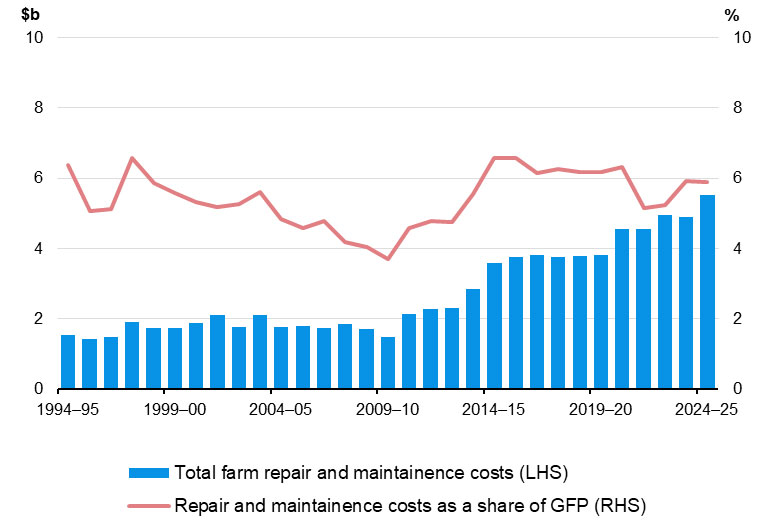
The discussion paper proposes extending the Right to Repair framework to agricultural machinery — a move VACC said reflects the same information asymmetry that has historically disadvantaged independent automotive repairers.
The paper also identifies a range of targeted improvements to the existing MVIS, including reforms to the treatment of electronic logbooks, intermediaries, scheme pricing transparency, safety information, security information access, scheme governance and enforcement.
VACC acknowledged the leadership of the Hon Dr Andrew Leigh MP, Assistant Minister for Productivity, Competition, Charities and Treasury, in progressing the reforms.
“Minister Leigh has shown genuine understanding of the competitive dynamics at play in repair markets and the real-world impact these reforms have on independent businesses,” Peter Jones added. “We congratulate him and the Government on moving this process forward.”

Peter Jones also highlighted how the proposed reforms around electronic logbooks and intermediaries were particularly significant for VACC members.
“The shift toward software-defined vehicles has fundamentally changed what it means to run an independent repair business,” Peter Jones added.
“Access to a vehicle is no longer enough — repairers need access to the data, diagnostic systems and service histories that tell them what the vehicle actually needs. Without that access, independent operators are effectively locked out of an increasing share of the work coming through their doors.
“Independent repairers need to be able to access and update electronic service records on equal terms with dealer networks. They need data aggregators and tool manufacturers to have proper access to scheme information so that the tools on workshop floors actually work.
“These are not peripheral issues — they go directly to whether independent repairers can do their jobs.
“The proposals in this paper address exactly the kinds of structural barriers VACC and TACC have been raising with government on behalf of our members across Victoria and Tasmania.”

VACC was also supportive of efforts to reduce regulatory burdens on safety information, streamline access to security information, and improve pricing transparency under the scheme.
“Compliance burden should not fall disproportionately on repairers and small businesses,” Peter Jones summarised. “These proposals strike a reasonable balance between protecting critical systems and ensuring independent operators are not caught up in unnecessary red tape.”
VACC also flagged that it would use the consultation process to advocate for the future expansion of the Right to Repair framework to heavy vehicles and motorcycles — two categories currently outside the scheme’s scope but representing a significant portion of the vehicles serviced by VACC and TACC members.
“The discussion paper proposes giving the Scheme Adviser a formal role in recommending future vehicle class expansions, and we intend to make full use of that mechanism,” Peter Jones confirmed.
“Heavy vehicle operators and motorcycle riders deserve the same protections and competitive repair market access as passenger vehicle owners. We will be making that case clearly in our submission.”
Further discussions to be heard
The discussion paper seeks views on:
- the design of an expanded scheme to cover agricultural machinery, including the types of machinery to be supported by the scheme
- giving repairers access to information stored in electronic logbooks, ensuring they have the information needed to diagnose and service vehicles efficiently
- providing data aggregators and tool manufacturers access to essential repair information, supporting innovation and competition in the sector, and
- enhancing access to higher risk repair information while maintaining strong safety and security safeguards.
The consultation period is open until Friday 3 July 2026. While attendance in person applications must be made by 28 May 2026.
Further information about the consultation process, submissions and attendance is available on the Treasury website here. Download the Right to Repair law discussion paper here.