Elon Musk has officially become the world’s first trillionaire following the SpaceX Nasdaq listing – on paper at least
For whatever reason, luck of the draw or genius, there are select people chosen from history to carry the title of the richest person.
Back in 1916 it was John D. Rockefeller who became the first billionaire based on oil assets making huge profits, but in 2026 the first trillionaire doesn’t even need a company that makes a profit, all he needed was a vision and the greed of his fellowman to invest in AI and space fantasies.
The rise of Elon Musk to become the first trillionaire, was expected once the initial public offering (IPO) of shares in the aerospace, satellite, and AI company SpaceX debuted on Wall Street. With his shareholding of 42% of SpaceX worth US$766 billion now combined with his equity and options in Tesla it gives the former top billionaire a combined value on paper at an estimated value of US$1.14 trillion. Depending on the share price of any given day.
SpaceX was the largest IPO listing in history, from the initial share offering at US$135.00 those that missed the initial allocation moved within two hours to pay as high as US$176.52, a 31% premium above its offering price to be part of the phenonium.
At close of trade on the first day, shares were US$160.95, up 19% on the initial offering, valuing the company at over US$2.2 trillion.
From the IPO, SpaceX has banked real money worth US$75 billion and is sitting pretty, now trading on the Nasdaq under the ticker [SPCX] with a market valuation of US$1.77 trillion.
Investors were well aware heading into the share offering that the company projected annual income of only US$18 billion from trading and if realised that would result in a loss of US$5 billion. But investors were not in the least fazed as they needed to boast being a part of this great experiment in AI and space travel.
And while many who would never think of buying shares in SpaceX will become stake holders by default. Superannuation and fund investors will be compelled to take up shares on the public’s behalf following the exchange modifying its rules to fast-track the massive SpaceX entry into the Nasdaq-100 within the next month.
Money is shared around
It’s not only Elon Musk that is getting rich following the SpaceX launch on the Nasdaq. There are roughly 4,400 current and former employees that have become overnight “on paper” millionaires. All part of the SpaceX quest to take the fiction out of space travel and create a platform to travel to the moon, Mars or anywhere in the solar system, and eventually beyond the solar system. An objective stated when Elon Musk founded the company in 2002.
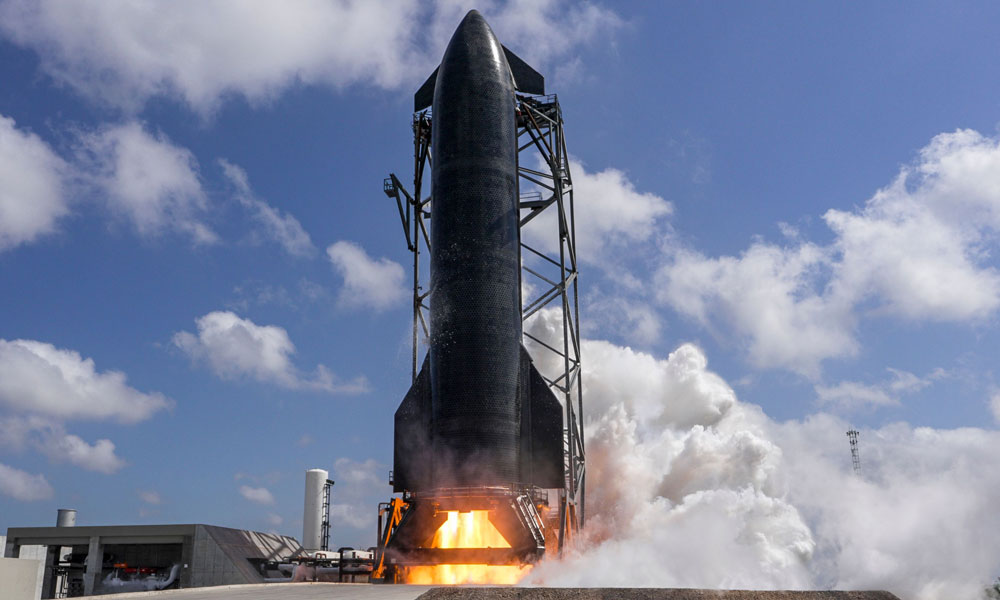
But following the public offering, initially SpaceX investors may have to settle for a more mundane income stream by expanding their Starlink internet access and deploy orbiting AI data centres. While in addition developing and selling more reusable mega-rockets like Starship that will eventually drastically reduce the cost of space travel.
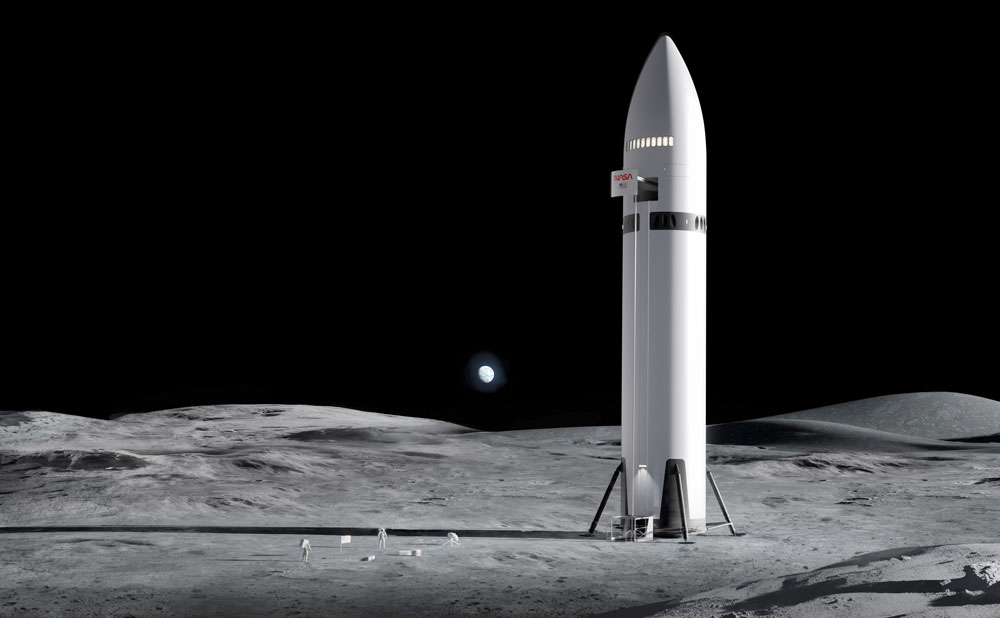
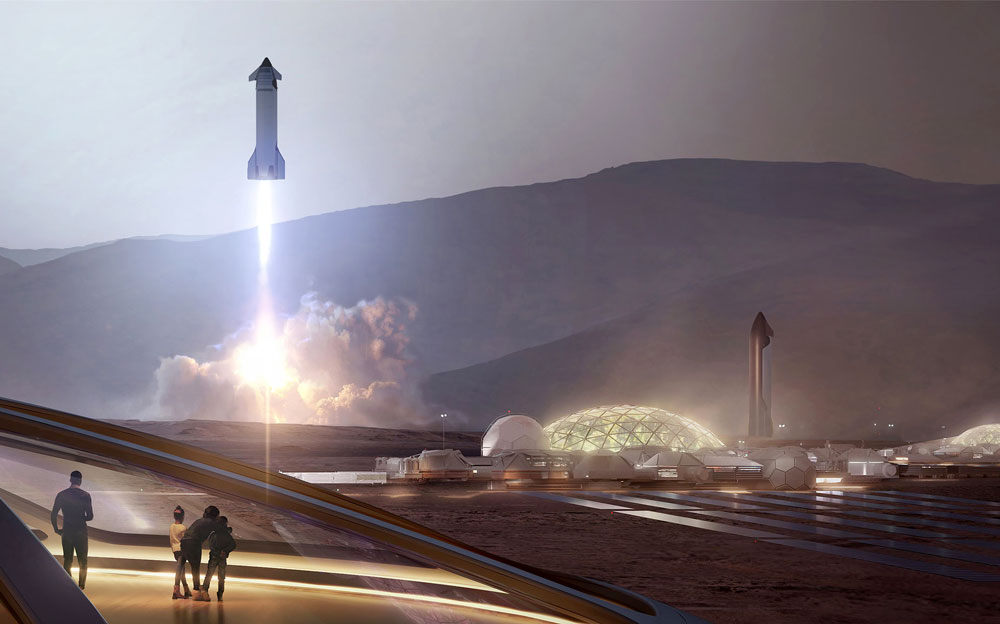
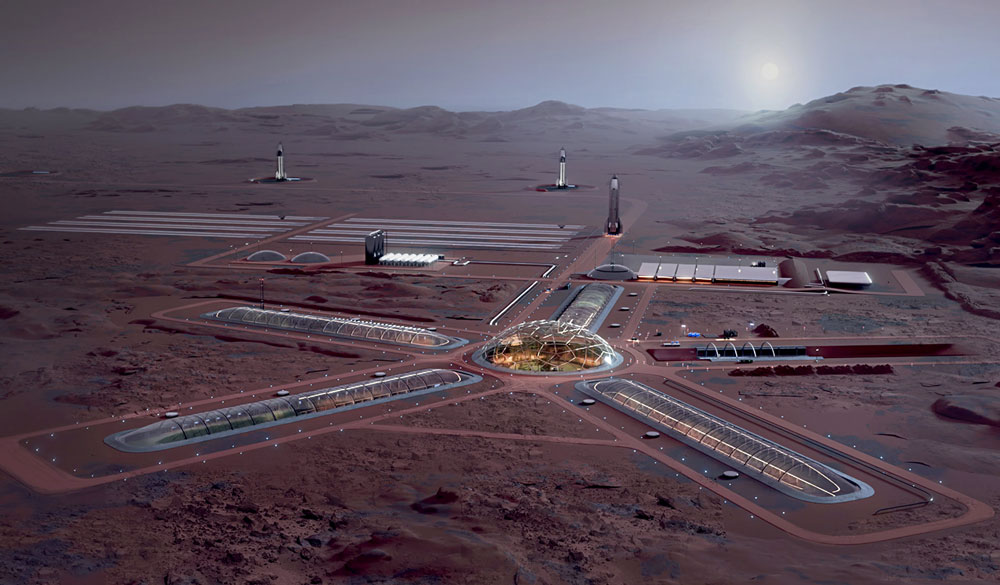
A major portion of the IPO offering banked will no doubt be eaten up quickly developing
their long-term plan to populate Mars, and closer to home aspiration to build a permanent settlement on the Moon.
Elon attracts a premium
Elon Musk thrives on the advantage of two primary medical and psychological conditions he has publicly disclosed, Asperger’s syndrome and PTSD, giving him high analytical capabilities and hyperfocus but little control in social communication.
It would appear only natural that this perceived genius would turn away from mankind and focus on the stars, a fascination that has drawn a crowd and made him the first trillionaire.
Many are intrigued as to Elon Musk’s IQ level but as he has never been tested, as far as known publicly, instead estimates from his SAT scores place him at more than 130, not quite genius status of 140 to 160+.
What we do know is that Musk holds dual degrees in Physics and Economics from the University of Pennsylvania and is the go-to expert for his self-taught knowledge of aerospace engineering and rock building.
Musk, now 55, was born on 28 June 1971, the year of the metal pig, in Pretoria South Africa. While his father was South African his mother was Canadian. He arrived in the US in 1992 to attend the University of Pennsylvania, graduating in 1997.
It didn’t take long for Elon Musk to be noticed in the business world. He co-founded the online financial services company X.com in 1999, which merged with Peter Thiel and Max Levchin’s company, Confinity, in 2000. This combined entity was eventually renamed PayPal. Although Musk briefly served as CEO, he was ousted by the board in 2000. As the largest shareholder at the time of PayPal’s acquisition by eBay in 2002, Musk earned roughly $175.8 million, that he used to fund SpaceX and invest in Tesla
He took over as Tesla’s CEO in 2008 with the aim to put an electric vehicle in every driveway. His design combination of high performance with software-driven functions redefined the car industry. Tesla’s success led to a trillion-dollar-plus market cap.
Investors were bitten by the “Elon Premium” and enthralled enough to bet their money on him repeating the feat in space and artificial intelligence.
But SpaceX is a beast chewing at the outer limits of space and will remain cash-hungry for years to come as Elon untwists the visions playing in his mind.But there are no doubt faithful investors will live off thoughts of the ultimate prize being the company’s valuation based in technologies, full knowing that it could take decades to show a high commercial profit.
See the SpaceX Nasdaq launch video here.