Farm trials have commenced into developing more effective strategies to manage phosphorus growth and curtail costs
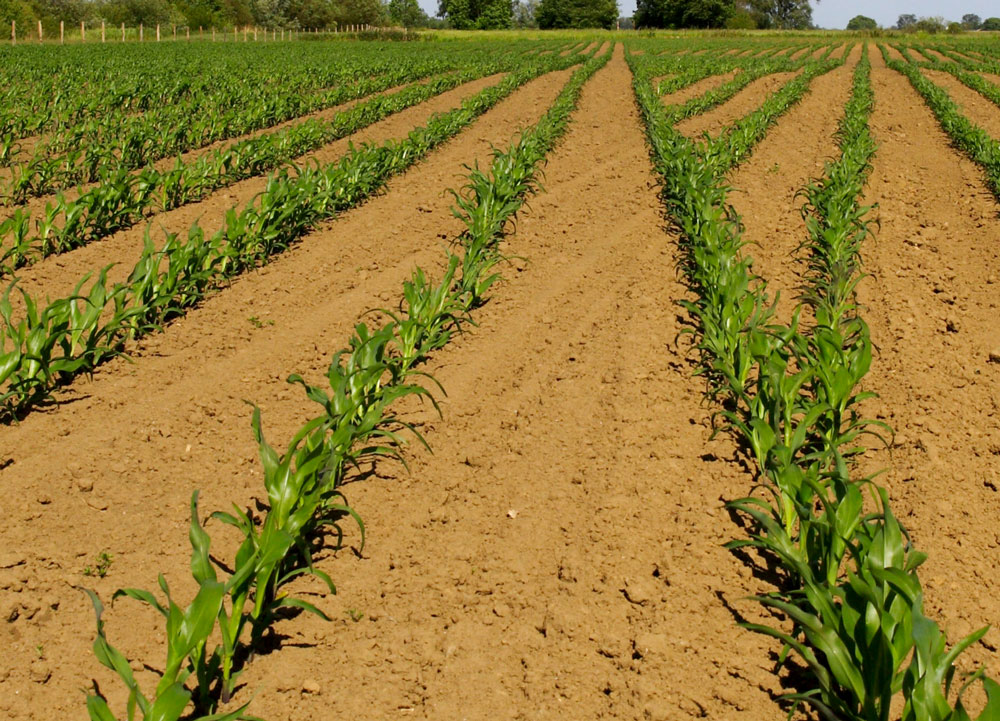
Fertiliser is currently one of the most significant input costs facing growers, so knowing where to apply it to maximise return on investment and profitability is critical.
A Grains Research and Development Corporation (GRDC) investment is aiming to improve strategies for managing planting in high phosphorus-fixing soils (high P-fixing soils).
The four-year, $9.96 million project is led by Agriculture Victoria (Department of Energy, Environment and Climate Change), in partnership with several organisations.
A significant cropping area in the southern and western regions includes soils that fix high amounts of phosphorus, meaning they rapidly convert applied phosphorus into immobile forms that are poorly available to plants.
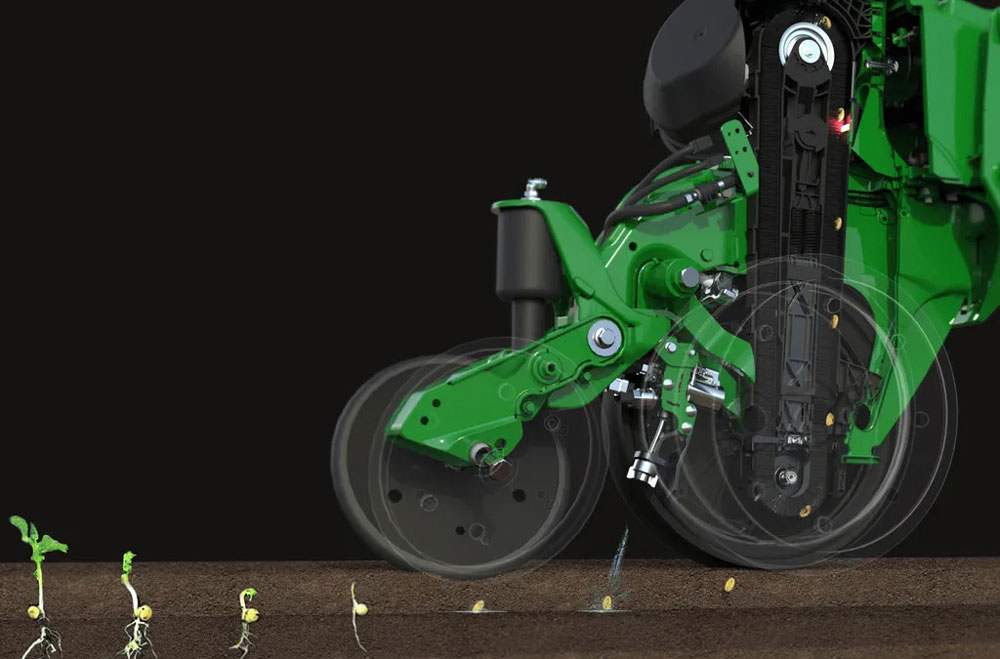
High phosphorus fixing soils decrease phosphorus use efficiency (PUE), reduce crop yields by up to 50% , and can result in a poor return on phosphorus fertiliser investment.
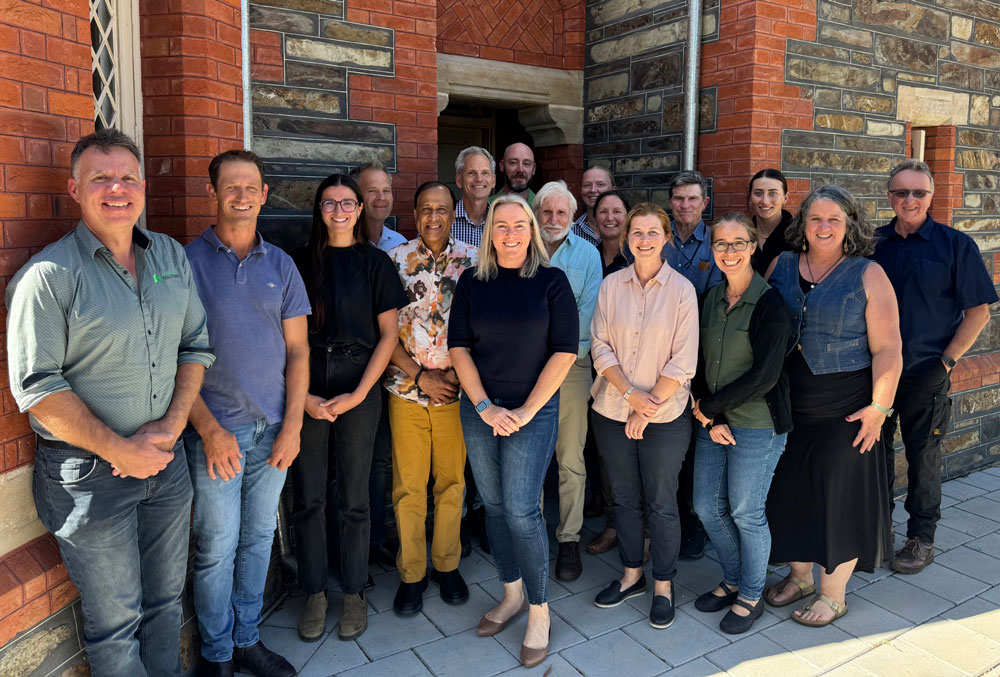
Farming systems groups from South Australia, Victoria and Western Australia, as well as private research agronomists, will help deliver on-farm trials. Professional agricultural communicators will lead communications, extension, and monitoring, evaluation and learning (MEL).
GRDC Sustainable Cropping Systems Manager – South Dr Giacomo Betti explains how the project is underpinned by a comprehensive review of previous research to help identify knowledge gaps for phosphorus management in high fixing soils.
“The review is a great foundation for this project – it not only identifies gaps in our understanding and management of high phosphorus fixing soils but has also helped the project team prioritise research needs,” Dr Betti outlined.
“This new investment aims to develop more effective strategies and improve grower confidence in managing phosphorus in these challenging environments.
“Capacity building is also an important aspect of this research. The project will upskill farming systems groups, agronomists and researchers and train new PhD students in how to more effectively identify and manage high phosphorus-fixing soils.”
The project will deliver five key outputs:
- a literature review on phosphorus management
- on-farm trials to investigate phosphorus responses and refine fertiliser strategies for high phosphorus fixing soils
- targeted communication and extension activities to drive practice change
- a MEL framework to track project impact
- foundational research into phosphorus dynamics and responses for different soils and crop types.
Project leader Dr Ashley Wallace from Agriculture Victoria said high phosphorus fixing soils include highly calcareous, alkaline soils in SA and western Victoria and also acid-gravel soils that contain ironstone nodules in the south-west of WA, the lower Eyre Peninsula, southern Mt Lofty Ranges in SA and the Victorian and SA high rainfall zones.
On-farm trials will be undertaken across the western and southern regions by project partners in the WA Wheatbelt, Yorke Peninsula and Eyre Peninsula in SA, and the southern Mallee and high rainfall zone in Victoria.
“The project will investigate the economics of phosphorus responses in high P-fixing soils, residual phosphorus, compare phosphorus formulations, including liquid and granular products, and also look at the impact of spatial variation in phosphorus fixing potential of soils,” Dr Wallace continued.
“Our project team will work closely with farming systems groups, agronomists and researchers to design field trials that target management options for high phosphorus fixing soils in each region.
“We will test best-bet phosphorus management approaches so we can deliver practical insights that support on-the-ground decision making by advisers and growers.”
The project will also support three PhD and associated postdoctoral researchers to carry out foundational research looking more closely into how to readily diagnose high P fixing soils, the kinetics of phosphorus fixation – how quickly and why phosphorus is fixed – as well as the impact of crop type and soil moisture.
Project partners include the University of Western Australia, Adelaide University, La Trobe University, Agronomy Solutions, Birchip Cropping Group, Trengove Consulting, Agricultural Innovation and Research Eyre Peninsula (AIR EP), the Facey Group, Southern Dirt, South East Premium Wheatgrowers Association (SEPWA), Wayne Pluske (Equii) and AgCommunicators.