On-farm renewables is no longer just a vague term as the National Renewables in Agriculture Conference and Expo will reveal
It’s more important than ever for farm operations to adopt as many on-farm free renewable energy programs they can apply.
And to learn what other farmers are doing to save money, get along to this year’s National Renewables in Agriculture Conference and Expo on 12 August in Orange NSW.
Adding renewables to a farm operation can help to offset costs, and at the same time, help farmers to play a larger role in Australia’s energy transition.
Following two sold-out years, this year’s conference will cover how farm operations can make on-farm electrification viable and justify financial reasons for reducing emissions.
Karin Stark, conference founder says “The conference is an important way to showcase farmers who are already using renewable energy to cut costs, improve efficiency and create more income streams.
“Australia currently imports 90% of our refined fuels and we’ve seen how vulnerable agriculture is to global supply shocks. We’ve ensured this year’s program includes ways farmers can be more self-sufficient.
“You can learn more about battery storage and solar-powered irrigation to electric farm vehicles, biofuels and on-farm fertiliser production,” Karin added.
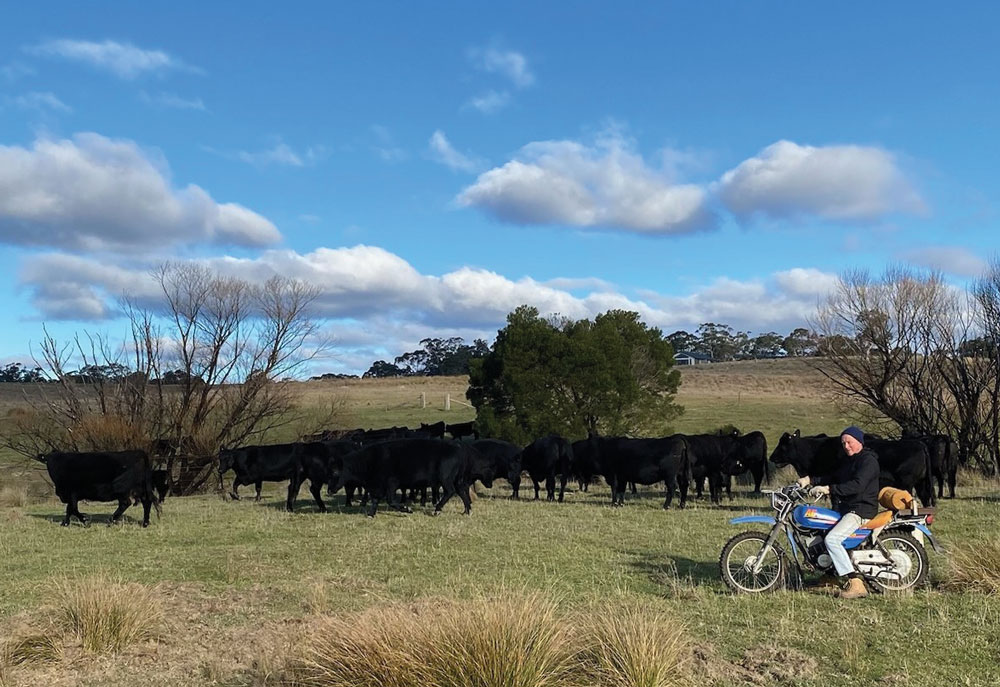
Speaker Francis Clark will share his experience of installing New South Wales first bi-directional electric vehicle charging systems on his Southern Tablelands farm. Francis wasn’t just looking for a new way to get around, he was exploring how a vehicle battery could become an integral part of a farm’s energy system and make him some cash on the side.
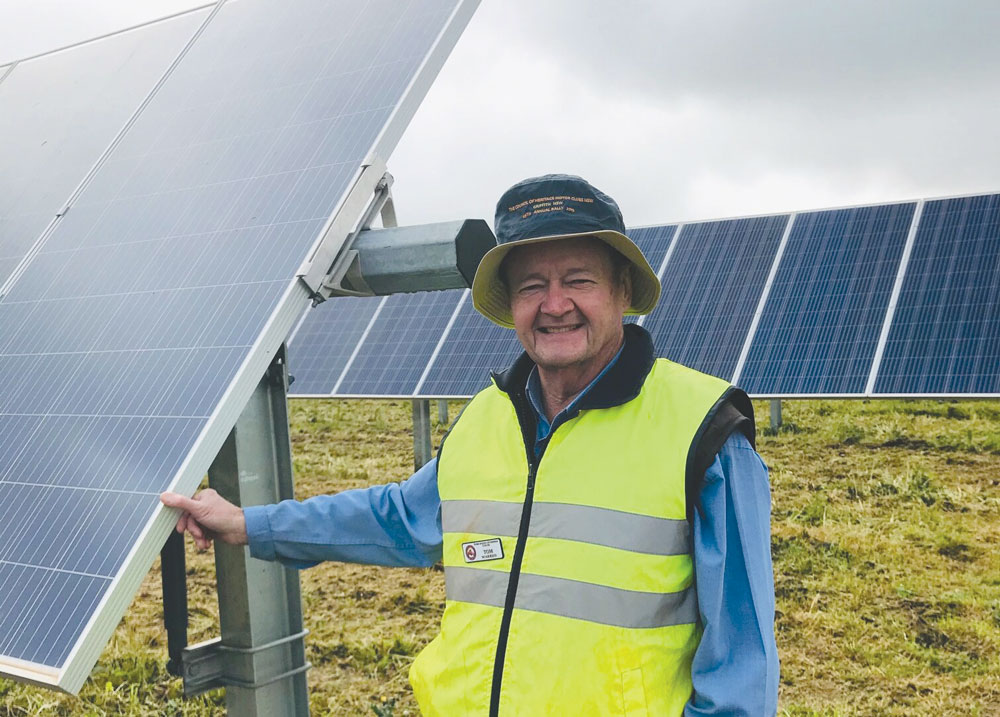
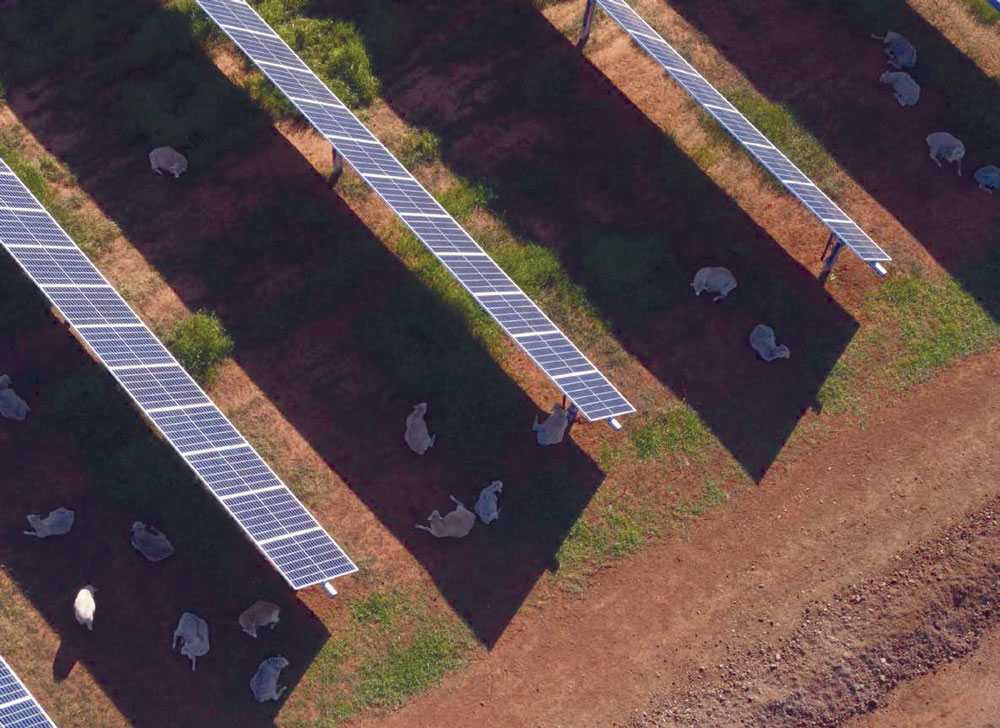
Tom Warren, a farmer in Dubbo NSW will be speaking about how he grazes sheep under solar panels and the tax implications of hosting large scale renewable energy developments.
Claire Booth, farmer and lawyer will also cover risk and insurance implications for farmers and neighbours of solar and wind developments.
In addition to the main conference on 12 August, a farmer-only networking session will be held during the afternoon of 11 August, providing an opportunity for producers to meet speakers, ask questions and discuss projects in an informal setting.
For those wanting to see renewable energy systems operating in the real world, optional farm tours on 13 August will visit either a solar-powered winery or the Flyers Creek Wind Farm.
For farmers facing rising energy costs and looking for practical ways to improve profitability, the event offers a rare opportunity to hear directly from farmers who are already implementing these technologies and making them work commercially.
For more information about the 30+ speakers, or to register, visit the Conference website on this link.
Farmer led topics covered at the conference
Francis Clark, farmer from near Tarago, NSW runs around 50 Angus breeding cattle. Francis was an early adopter of vehicle-to-home technology and has spent more than two years using a Nissan Leaf electric vehicle to store solar energy and supply power back to his home and, when market conditions are favourable, export electricity to the grid.
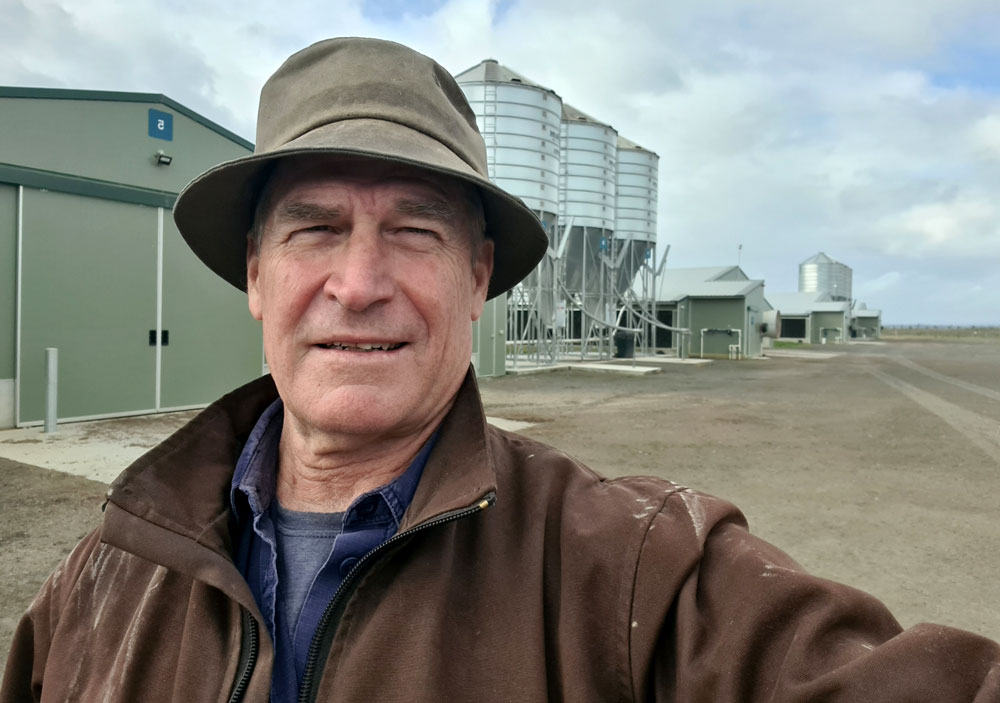
Gippsland farmer Chris Freney can speak to how he makes profit from poultry litter. Chris’s system has been designed around three separate revenue sources. The first is electricity generation with methane produced through the digestion process fueling an internal combustion engine, generating approximately 8.5MW of dispatchable electricity.
The second comes from carbon dioxide captured during the digestion process. The third is from nutrients recovered from the digestion process, which will support algae and spirulina production, creating inputs for food dyes. Chris is optimistic that construction and commissioning will begin before the end of the year.
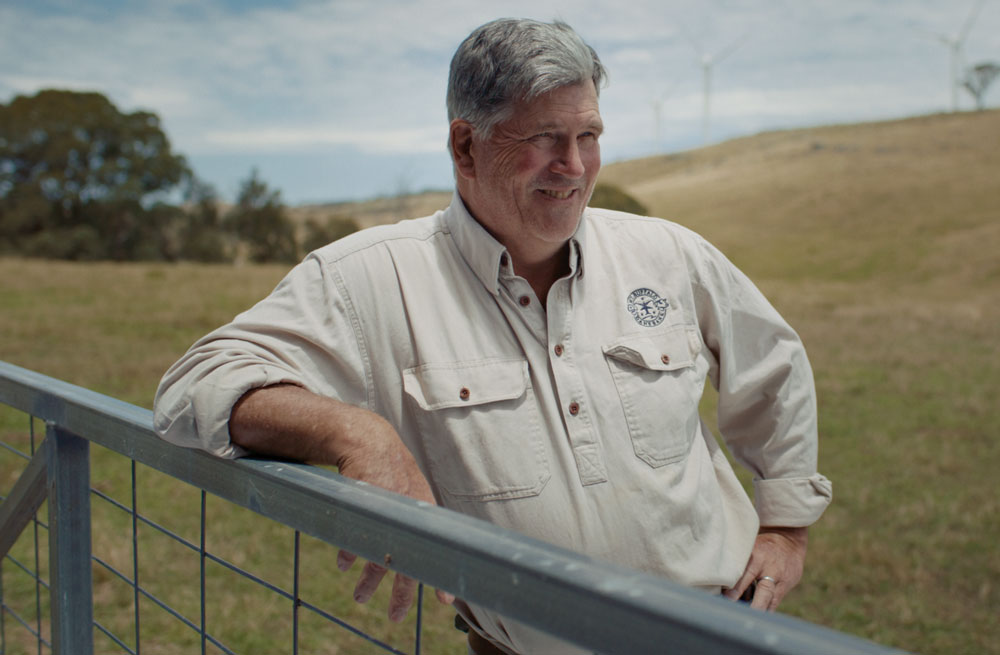
Tom Gunthorpe, mixed livestock, cattle and fine wool breeder, from Kangiara, NSW. Tom hosts turbines and worked with neighbours early on to negotiate and set up a decommissioning fund for the end of the life of the turbines.
“Our business is producing food and fibre and now we have a new business producing energy. We run 700 head of cattle, 1500 sheep and have 9 turbines.