How a major vegetable grower is moving ahead with automation because it’s difficult to find people to do the work
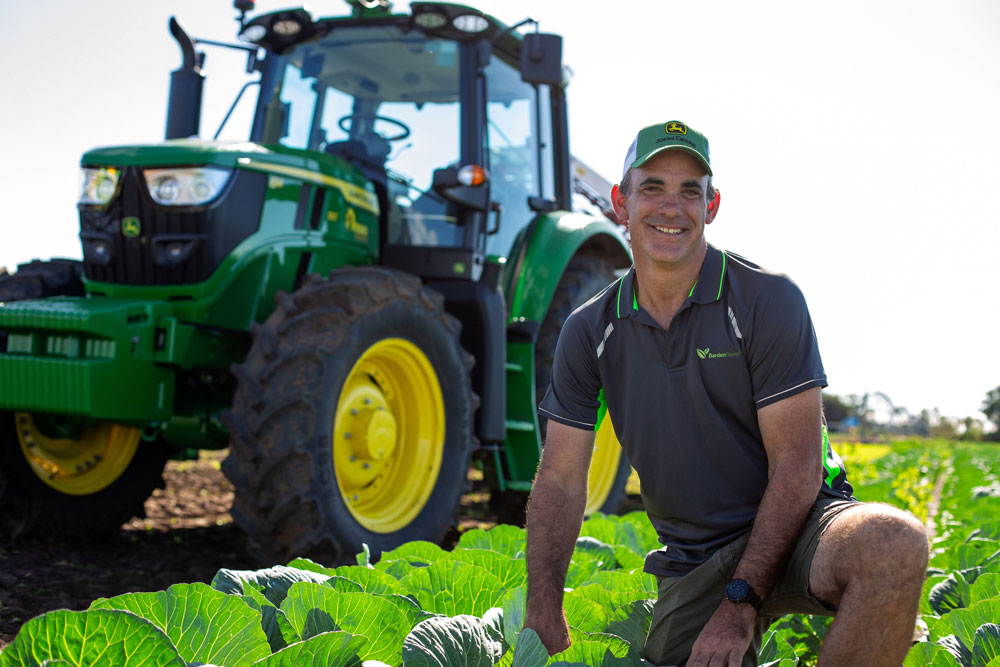
For Barden Farms, growing vegetables 363 days a year on multiple farms across four states is a complex business and often a race with delivery time.
A cauliflower that is perfect in size today could be rejected tomorrow, lettuce can bolt to flower in a matter of days, and machine downtime can leave dozens of staff at a standstill.
National Farming Manager, Nathan Clackson, confirms how timing is not just important, it’s the difference between success and failure.
“People may not realise that cauliflower moves on a full moon,” Nathan Clackson alerts.
“It sounds like I’m full of it, but when there’s a big full moon and a clear sky, especially around springtime, the cauliflower can go crazy, and you’ve got to get into harvest.
“We had a flush of cauliflower recently and picked four weeks of stock in seven days.
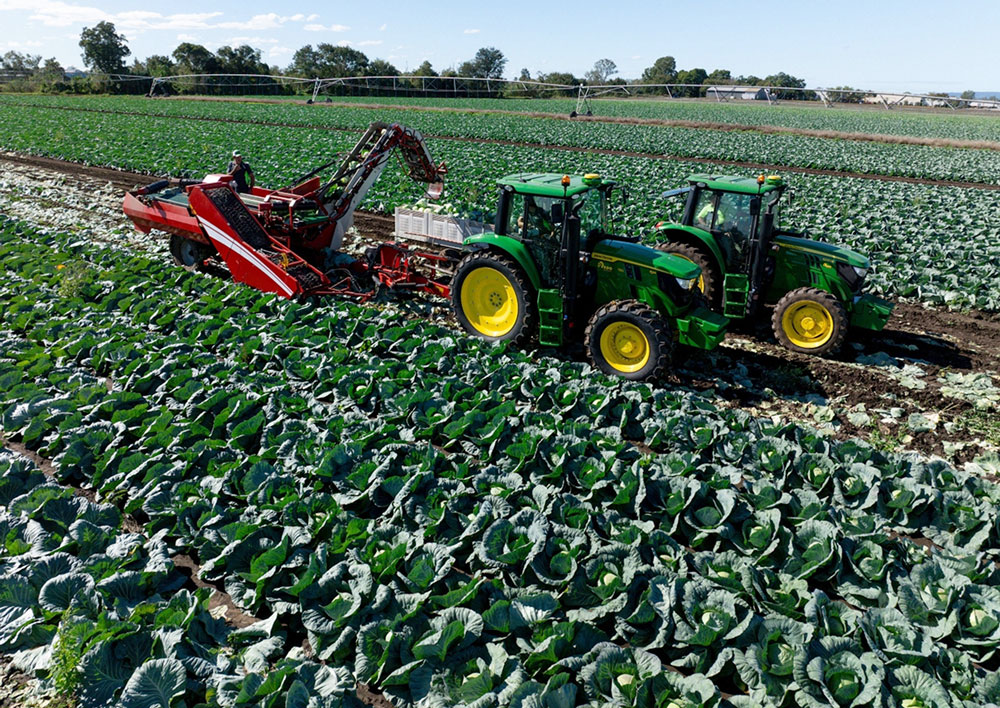
“We’re working big hours and if the machines don’t work, we don’t work, and the produce gets out of size. The (buyer) specifications are that cauliflowers have to be 130 to 160 millimetres. That could be a day’s growth, so if you miss it, it’s pig food.”
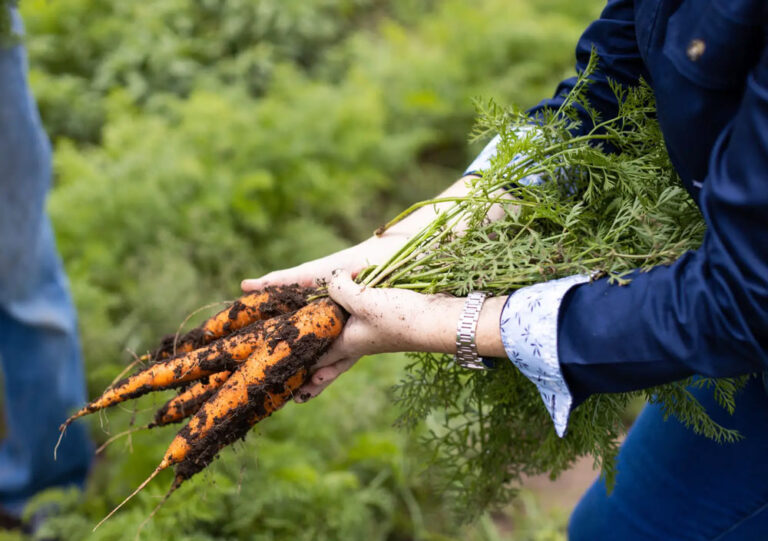
This is just one of the vegetables grown, packed, marketed and distributed by the family-owned business established by John Drummond in 1986. Barden Farms provides supermarkets across Australia with brassicas, Asian vegetables, lettuce, herbs, bunched vegetables and pumpkins.
At the company’s 100-hectare farm in Southeast Queensland’s Lockyer Valley, Nathan Clackson said the team may plant 26 times a season across 20 different varieties of crops, to ensure produce is available daily on supermarket shelves.
“If you’re a broadacre farmer, you plant once a season, and that’s it,” Nathan Clackson attested.
“On this farm we can have 100 to 150 plantings in a season, and we’ve got eight farms doing the same thing in different locations, so it’s quite complicated.”
John Deere introduced into the rotation
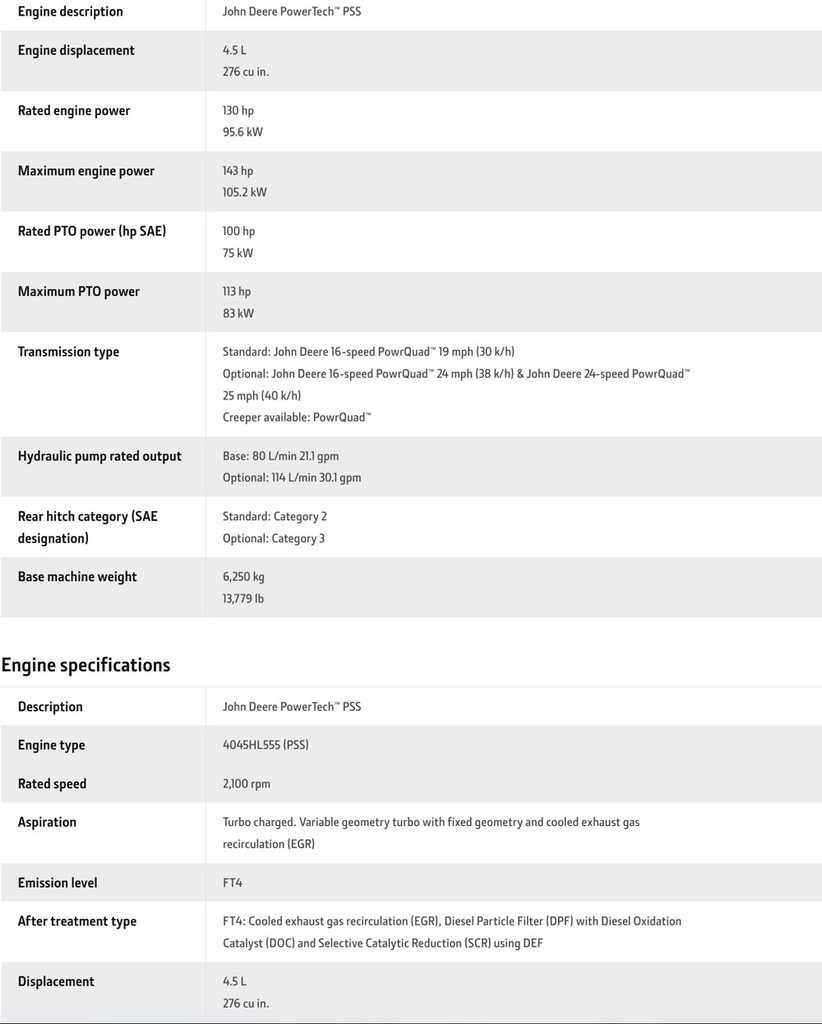
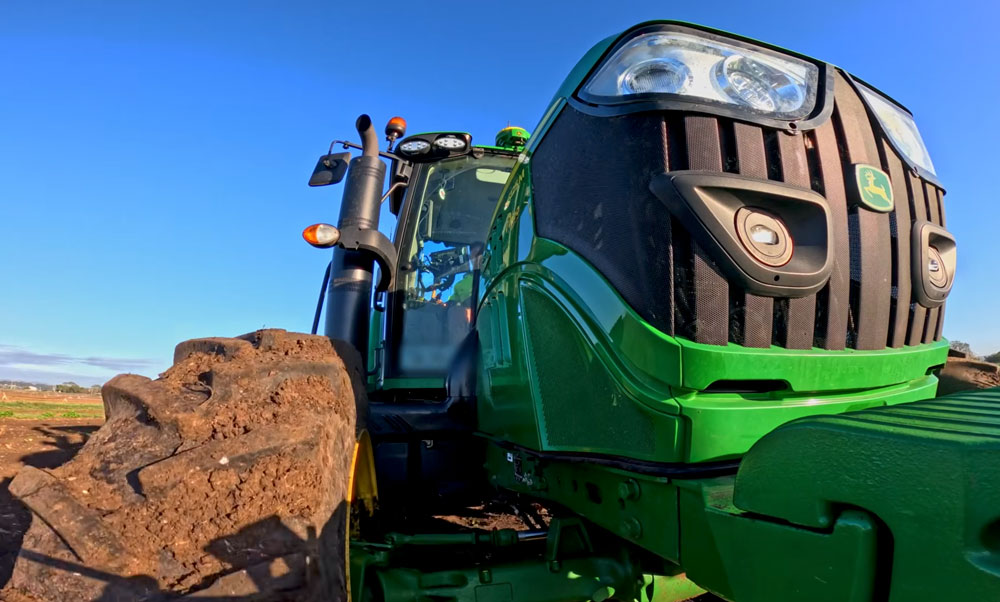
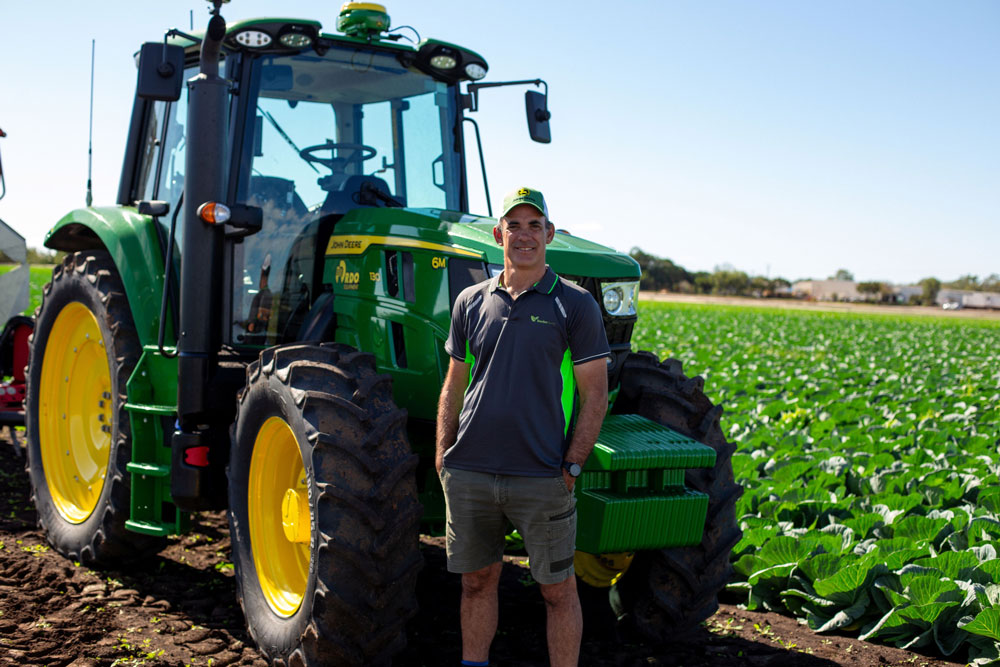
About eight years ago, Barden Farms began introducing John Deere equipment and has recently taken delivery of a new 6M 130 tractor.
“Reliability with the John Deeres for us is very, very good – the mechanic loves it,” Nathan confirmed.
“We’re progressing to green tractors as we go along, and as the other ones are getting older we’re progressing them down to sort of harvest-aid and simpler jobs and having the bigger and more reliable tractors do the dirty work; the heavy power work.
“We’re quite a fan of the GPS and AutoTrac™, that saves us money by laying dead straight rows that harvest a lot better and faster.”
The cost of idling
Nathan’s local John Deere dealership is RDO Equipment in Gatton QLD, and the Barden Farms team have formed a strong relationship with sales representative Ben Anderson.
“I think our farming performance has improved through the John Deere dealership helping to educate our staff, so that we understand what’s under the bonnet of the tractors and how to get the most out of them,” Nathan added.
Tools in John Deere Operations Center™ such as idle management have proved themselves to be a valuable cost saver.
“Ben pulled me aside and said, ‘You know you’re burning $80/hour in depreciation plus the cost of diesel while that tractor is just sitting there idling,’ So that was a lesson to monitor machine hours,” Nathan continued.
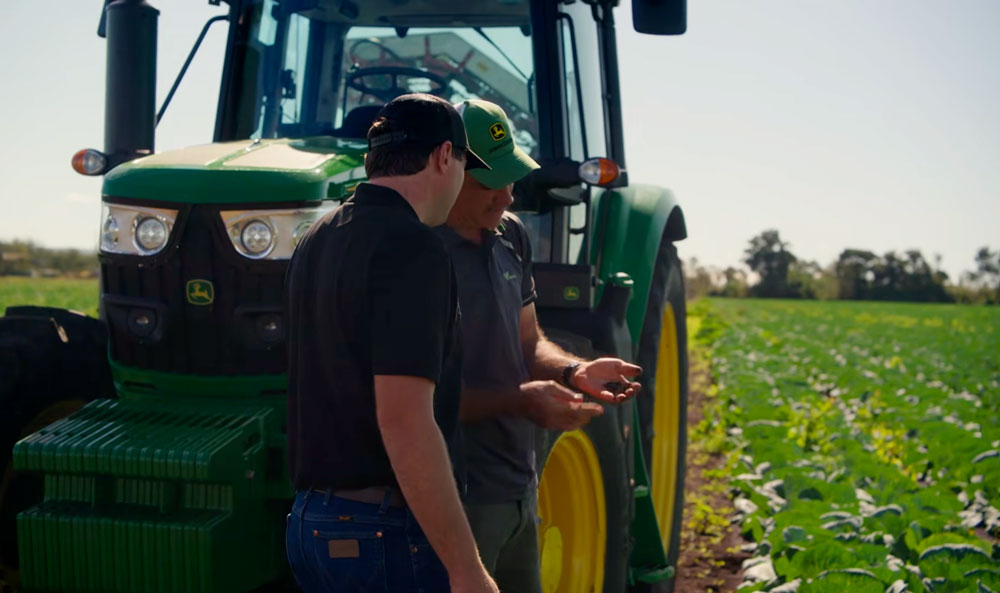
“Now I get a report every Monday that says, for example, a spray tractor spent 80% of its time working, 20% of the time idling or 10% travelling. If we can get over 80% of in-field working time, we’re pretty happy with that.
“Our mechanic logs in to Ops Center to check on upcoming hours for servicing and can find out whether it’s a 600-hour or 900-hour service and what filters or lubricants he needs, ahead of time,” Nathan concluded.
Ben Anderson from RDO Equipment explained how the Operations Center also helped diagnose and quickly resolve a recent clutch fault.
“We had a notification come through that a tractor was operating with the clutch engaged for an extended period of time, so we contacted the driver,” Ben added.
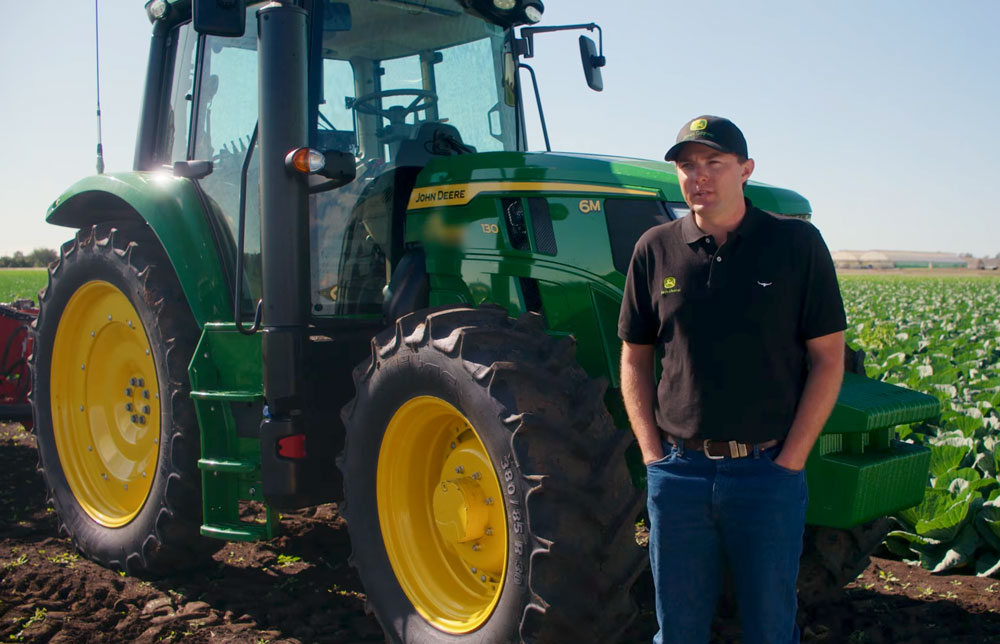
“It turned out that his cooler had slipped forward in the cab and pushed the clutch pedal in slightly, just enough so that it was engaged. So, something as simple as an Expert Alert can save a lot of downtime.”
Ben also relayed how it was satisfying to help Nathan and the team at Barden Farms find ways to become more productive and efficient.
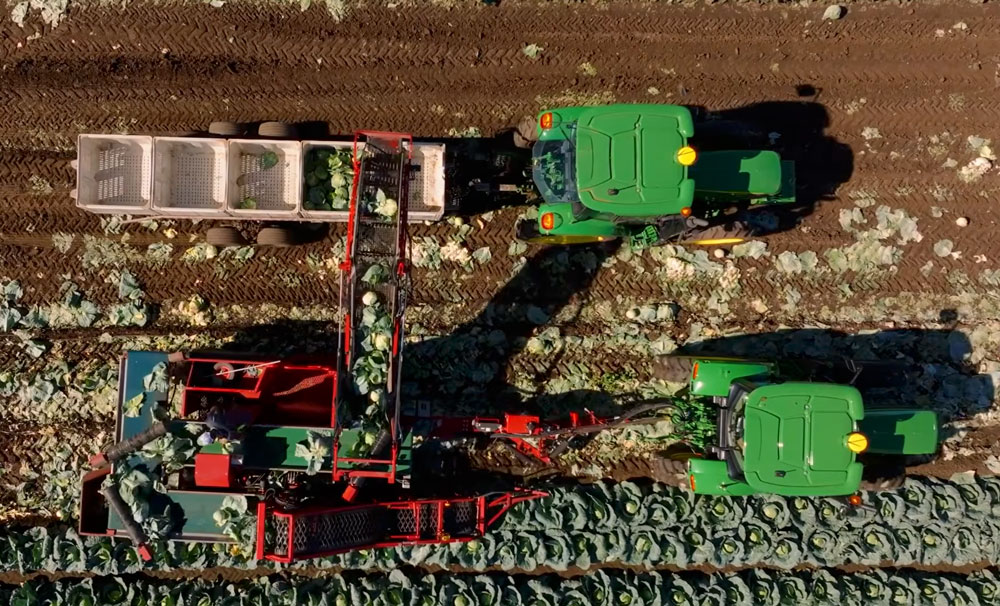
“Nathan came to me and said he was ordering a cabbage harvester and that he needed a tractor with variable transmission that would allow the driver to adjust speed to help the cabbage fly up the harvester,” Ben confirmed.
“Having the IVT transmission in the John Deere 6M 130 was right what he was looking for because they can now adjust their speed on the go and make sure, they’re harvesting the best produce as quickly as possible.”
Exciting future ahead for horticulture
Nathan outlined how it was an exciting time to be in horticulture to witness the pace of technological advancement.
“When you look at just how much it’s changed in the last 10 or 15 years, and what you can do with it, and getting help from technicians over the phone, it’s been brilliant,” Nathan prompted.
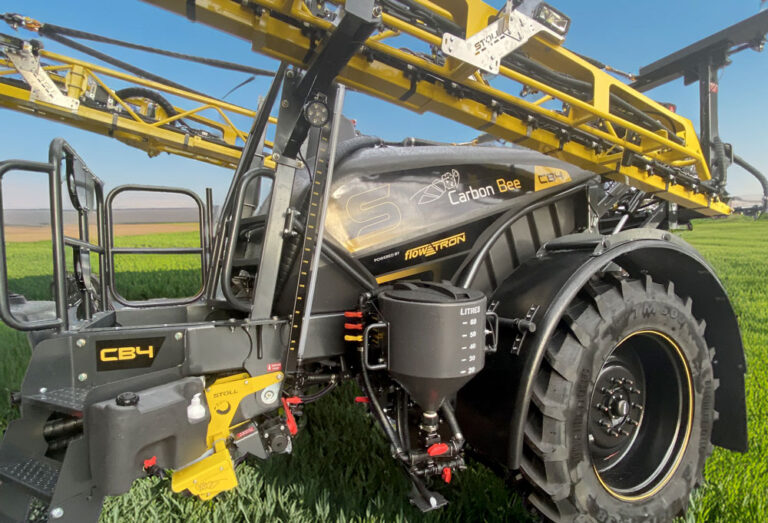
“You’ve got guidance tracks, variable rate spreading, and eventually self-driving sprayers and other gear. Automation is going to be the biggest development for us because it’s difficult to find people to do the job. It will also be great for fatigue management.”
In the meantime, he’s proud of what Barden Farms has achieved so far.
“It’s pretty rewarding when you consider that there’s a fair chance that everyone in Queensland has had something that’s grown on this farm on their plate at one time in their life.
“We’re actually having an impact on people and how we succeed as a society,” Nathan concluded.
Find out more about the Barden Farm push to advanced automation to avoid production losses. Watch the full video here.
John Deere 6M 130 tractor specs