A national research project is dedicated to improving the resilience of sheep in low-rainfall farming systems
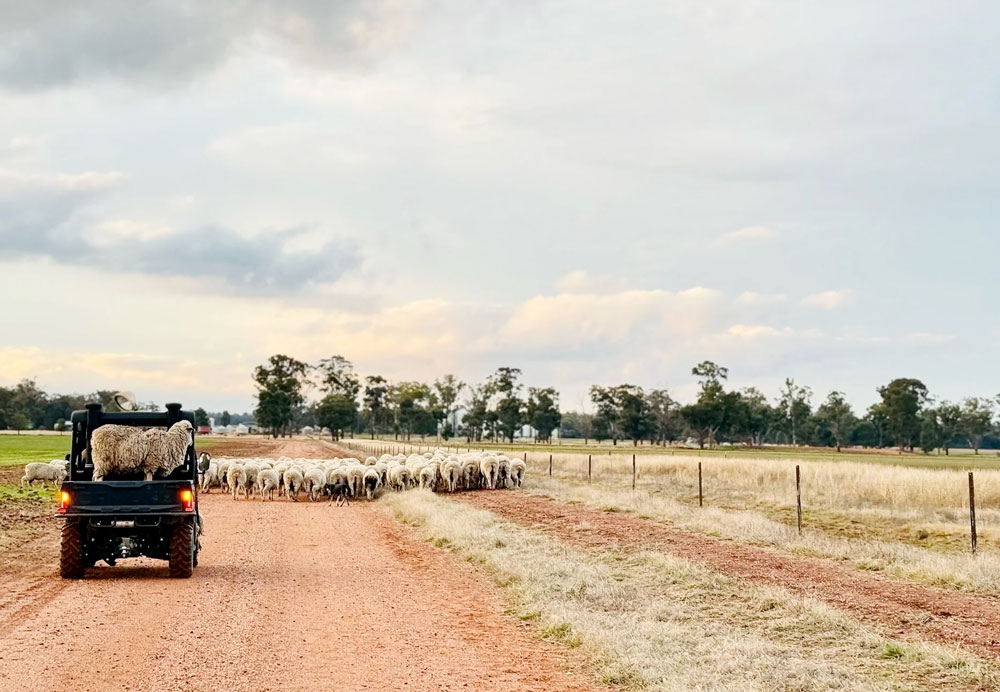
A project is underway to develop practical solutions and improve the long-term resilience and sustainability of sheep and their pasture systems under drought conditions.
Led by Adelaide University and Murdoch University, together with researchers, farmers and industry partners from across the country is funded through the Federal Government’s Long-Term Trials of Drought Resilient Farming Practices Grants,
The project is called ‘Climate Resilient Sheep Systems’ and will run until October 2030, with trials established across South Australia, Western Australia, and NSW.
Adelaide University project lead Associate Professor William van Wettere explained how sheep production remains critical to farming systems and regional communities, particularly in low rainfall zones.
“Sheep enterprises in many low rainfall regions are being increasingly challenged by drought and extreme heat,” according to Associate Professor van Wettere.
“These conditions impact pasture and shrub growth, soil stability and overall feed consistency, which can then impact sheep performance, so we are exploring integrated, long-term solutions.”
Project task
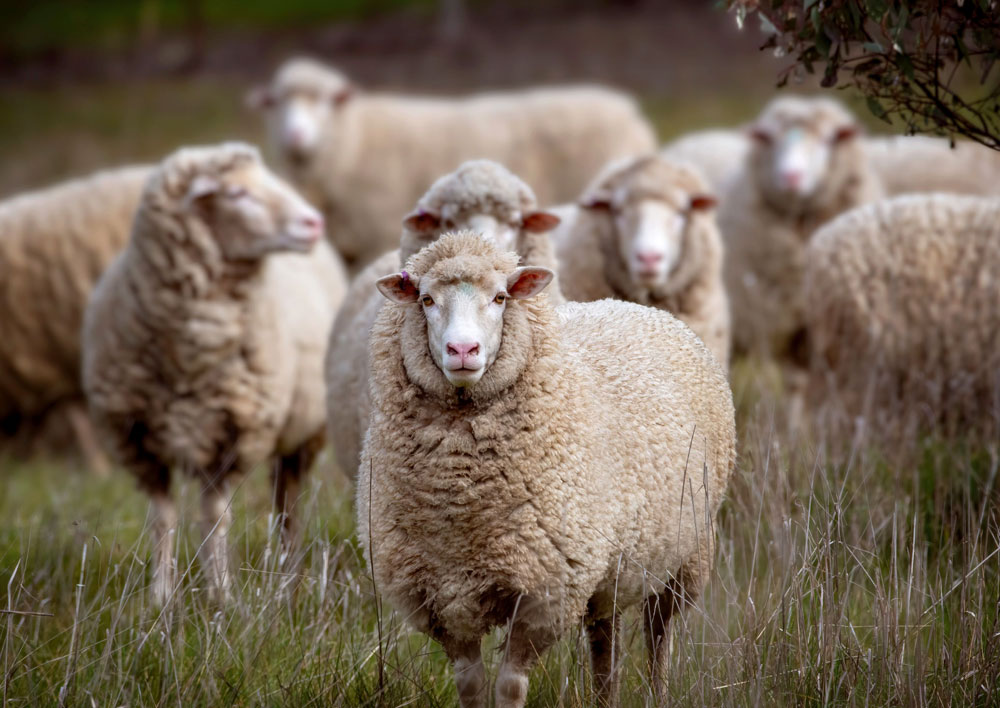
The project will investigate climate-resilient sheep genetics for heat and drought resilience characteristics, along with tactics to improve drought-tolerant pastures, shrubs and trees to improve feed availability, grazing landscapes and animal welfare.
“By integrating adapted sheep with more resilient feed base systems, we aim to create more stable and productive farming systems,” Associate Professor van Wettere confirmed.
“This includes improving feed consistency, creating better microclimates for livestock, and supporting overall landscape health.”
An important factor of the project is its focus on farmer-led research, with at least 26 regional trial sites to be established on operating farms, including eight in South Australia, 10 in Western Australia, and eight in NSW. These sites will be tailored to local conditions in collaboration with local producers and farming systems groups.
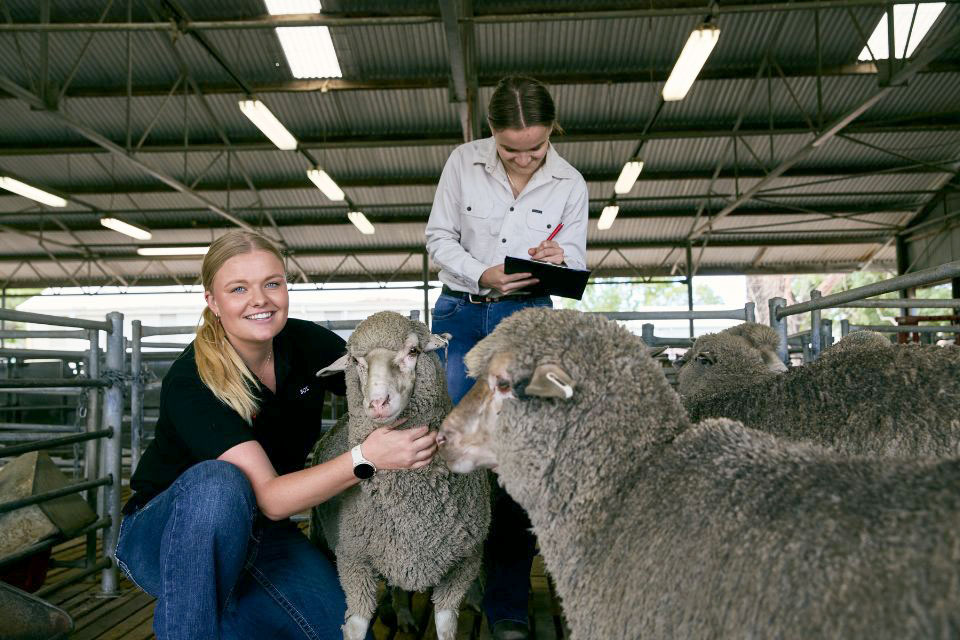
“Working closely with farmers and farming systems groups ensures the solutions we develop are practical, relevant and suited to local environments and regional conditions,” Associate Professor van Wettere added.
Research sites will include trials at Adelaide University’s Roseworthy Campus and the Muresk Institute near Northam in WA, plus collaboration with ram breeders throughout the country. The trials will identify key traits that are genetically linked to heat tolerance and drought adaptation in sheep. There will also be a comparison of different fodder systems at Roseworthy.
The researchers will collect detailed data across both environmental and livestock factors such as soil health, vegetation performance, animal behaviour, heat and drought tolerance and reproductive outcomes.
“This project is about understanding the whole system, from soils and plants through to animal performance and genetics,” explained Murdoch University project lead Professor Andrew Thompson.
“By bringing all these elements together, we can identify strategies that farmers can adopt to manage climate change and make real gains in resilience and productivity.
“Projects like this are critical to ensuring Australia’s low rainfall livestock systems continue to be productive into the future,” Prof Andrew Thompson concluded.