With three record seasons under the belt of many farmers and vastly increased farmgate revenues it is a surprise twist concerns turn to commodity prices, interest rates and drought

With local farmers at their highest level of farmgate prices in history, out of the blue, it appears many are expecting to be forced onto a rollercoaster in the coming season with fear around commodity prices and economic factors closely followed by drought.
This is the reading from the latest rural confidence survey taken at the start of 2023 as it shows a dip to the lowest level reported since late 2018.
The Rabobank Rural Confidence Survey found that after a solid rallying late last year, sentiment in the rural sector had fallen from the first quarter of 2023 as farmers continue to navigate a range of economic and financial uncertainties.
But the negative sentiment was not for all, as Western Australian and Tasmanian farmers bucked the national trend, with producers in those states looking to the year ahead with increasing optimism.
Findings from the latest Rural Confidence Survey found that nationally the number of farmers expecting the agricultural economy to improve over the coming 12 months dipped to 11% in the first quarter of 2023, compared with 15% in December 2022 expecting bigger things.
Even so, there are still more than half the farmers expecting business conditions to stay the same (51%, marginally up on 50% recorded previously), but by the same token even more are anticipating conditions to worsen (36%, up from 31%).
The main factor driving those with a negative outlook is falling commodity prices, a worry for 68% of those expecting conditions to worsen, a significant increase on 21% previously, while rising interest rates were also an increasing concern (20%, up from 11%).
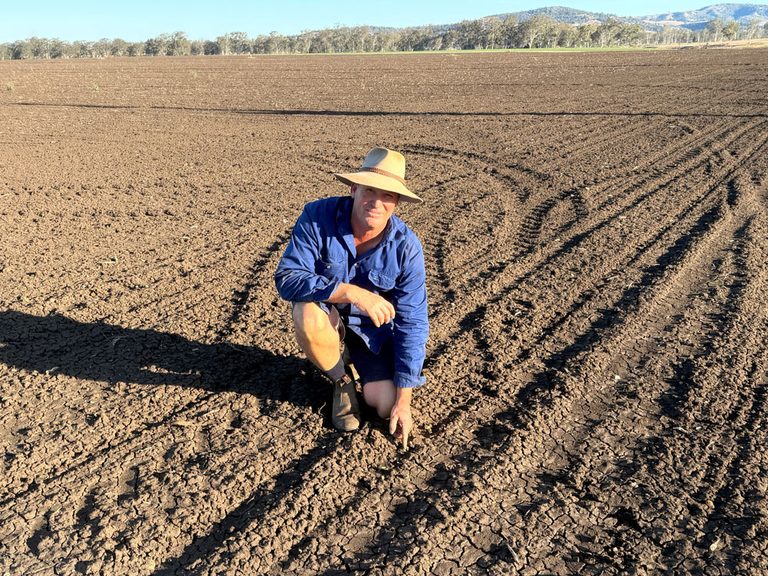
While not currently ranked as a major driver of the negative outlook, there were also signs emerging of growing concern about a return to dry conditions.
Farm input costs and farmgate prices
There was some relief though around the high cost of farm inputs – such as fuel, fertiliser and energy – and while this remains a concern for 35% of farmers expecting conditions to worsen over the next 12 months, it shows a drop from the 49% worried about inputs in the previous survey.
Commodity prices were also, though, still cause for optimism among those farmers with a positive view on the year ahead.
Farmers who expect business conditions to improve were buoyed by commodity prices which are still strong – particularly for dairy, cane and beef producers – with 55% listing this as a reason for their positive outlook, a similar level to the previous quarter when 56% saw strong prices continuing.
There was increased confidence in overseas markets/economies contributing to good economic conditions – nominated by 26% as the cause for their positive outlook (up from 18%).
Behind the sentiments expressed
Rabobank Australia CEO Peter Knoblanche said the latest survey reflects the combination of commodity prices, global economic challenges and high production costs facing farm businesses.
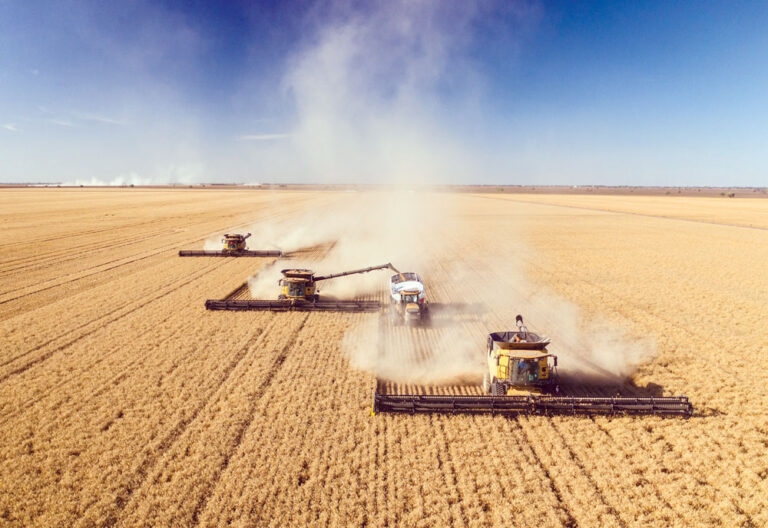
“Despite having their resilience tested throughout 2022, most farmers ended last year on a high, buoyed by seasonal conditions and high commodity prices which saw our industry break farm production value records for the third year in a row,” he explained.
“However, as we see the heat come off many commodities – albeit down from significant highs – farmers recognise conditions will start to return to more ‘normal’ levels.
“This survey captures their realistic expectations that commodity prices will likely not return to the highs this year that we saw in the previous 12 months.
“Although there’s relief with some input prices easing, the anticipation of further interest rates hikes will continue to place pressure on farm budgets.”
Underpinning these economic drivers is the emergence of fresh seasonal concerns, as farmers move away from the wet conditions which benefited many in 2022.
In the current survey, 13% of farmers with a negative outlook reported being concerned about drought, up from just two per cent with that concern in the previous quarter. Likewise, concern around too much rain fell from 32% to just six per cent.
And for those farmers with a positive outlook, 38% attributed this to good seasonal conditions in the latest survey, down from 57% at the end of last year.
“The, at times, excessive rain in 2022 did set up our nation’s grain farmers for record harvests and maintained beneficial feed base conditions for livestock businesses through summer, but again, we see the realistic expectations that 2023 won’t present the same conditions,” Peter Knoblanche added.
How farmers in each state expect to fare
The survey is conducted on a national basis, and as it turns out, Western Australia and Tasmania were the only states to record an uptick in confidence for the year ahead.
Although rising interest rates, hand-in-hand with falling commodity prices, were still on WA farmers’ radars, they were buoyed by their second consecutive record-breaking winter grain crop.
Likewise, positive seasonal conditions through summer also boosted Tasmanian farmer confidence in the year ahead despite the economic factors at play.
However, despite a record harvest for many though, South Australian farmers started 2023 with lowered confidence, eroded by falling commodity prices and rising interest rates.
Victorian and NSW rural sector confidence also dipped, driven down by harvest delays in the aftermath of last year’s excessive rain, and – once again – compounded by easing commodity prices and interest rates.
It was the same story in Queensland, where only one in 10 producers expect agribusiness conditions to improve – dry seasonal conditions also played a factor in this state’s negative outlook.
What you farm matters
Sentiment also varied across the different commodity sectors. While beef and dairy had the most pessimistic outlook, other sectors were more optimistic.
The biggest fall in confidence was recorded in the beef sector, where only 10% of producers expect the agricultural economy to improve – falling from 17% last quarter. Fewer expect business conditions to stay the same (48%, down from 57%) and 39% anticipate conditions to worsen, a jump from 22% in the previous quarter.
Peter Knoblanche explained how those beef producers who are anticipating improved conditions ahead are looking beyond domestic factors to the strength of overseas markets, with a third identifying this as a driver of their confidence.
Confidence from farmers also fell in the dairy industry.
The biggest shift in factors identified by dairy farmers who think the economy will worsen was around falling commodity prices – with 71% now citing this, significantly up from 13% last quarter.
Peter Knoblanche added that since global dairy commodity prices had peaked in quarter 2, 2022, spot prices have fallen between 20 and 40%, depending on the product.
“Australian farm gate milk prices are still at record levels across the country though. And while weaker commodity returns will flow across southern Australian pricing, there should be a firm landing zone, given the solid domestic market returns and competition for milk supply among the dairy processors,” he said.
“Many dairy farmers enter autumn with good feed reserves and the availability of irrigation water and supplementary feed (after a decent 2022/23 winter crop) – and dairy farmer margins remain positive – as preparation begins for the next season.”
Confidence remained stable in the grains and sheep sectors.
The number of grain growers who expect the agricultural economy to improve fell from 17% to 14%, but this negative sentiment was offset by the number expecting it to worsen falling from 38 to 33%. This result can be taken as a very slight edging up in net confidence in the grain sector.
For the grain growers who expect conditions to improve, their buoyant outlook was attributed to a good season (54%) and lower input costs (17%).
Grain growers who believe economic conditions will deteriorate flagged falling commodity prices as being more front of mind this quarter (59% up from 16% last survey), along with rising interest rates (27% up from five per cent) and the re-emergence of drought (18% up from zero).
Confidence in the sheep sector also remained broadly unchanged. As with other sectors, sheep producers who do think the economy could worsen again pointed to falling commodity prices (79% up from 35% last quarter) and rising interest rates (15% up from six per cent last quarter).
Sugar cane was the only sector, outside grain, on a national level to report increased confidence, but this was from a low base with 13% reporting an optimistic outlook (compared with 10% last quarter), and 41% expecting conditions to worsen (albeit down from 49%).
Farm performance and investment
Nationally, more farmers expect lower farm incomes in the year ahead (36%, compared with 25% last survey) while fewer anticipate higher incomes (20%, down from 29%).
However, the sector remains robust with the number of farmers who describe themselves as easily viable/viable holding steady quarter on quarter.
“The combination of commodity prices, global economic challenges and high production costs compounded this quarter to contribute to a more unfavourable outlook from a gross farm income perspective,” Peter Knoblanche said.
“These key drivers also pulled together to dampen investment intention, with slightly more farmers planning to ease off on the level of investment in their business in the coming 12 months.”
Fewer farmers indicated they were looking to inject more investment in their business – 25%, back slightly from 27%t last quarter – and more were seeking to curb their investment commitments (12%, up from nine per cent).
The majority of farmers who do intend to increase investment will channel this towards on-farm infrastructure, such as fences, silos and yards. This remains stable at 79%, quarter on quarter.
Farmers’ intentions to invest in other significant areas saw a pull back, including new plant and machinery (44%, back from 50% last quarter), increasing livestock (41%, down from 47%) and adapting new technologies (42%, was 44%).
This survey found a heightened focus on seasonal resilience, with more farmers channelling funds towards irrigation/water infrastructure – 30% of those planning to increase their investment (up from 26%).
Property purchases to expand farming operations are also tipped to increase slightly (28%, up from 26%), and new borrowings for off-farm capital investments such as residential properties and shares also lifted from one per cent last quarter to four per cent in the most recent survey.
It’s a similar tale on the other side of the ledger, while 56% (up from 53%) will keep farm-related debt the same, less intend to increase debt levels (14%, compared with 18% last quarter).
And while the Rabobank Rural Confidence Survey questions an average of 1000 primary producers across a wide range of commodities and geographical areas throughout Australia, it is a report based on farmer sentiment only and does not relate to current production or commodity levels.
The survey was conducted prior to the announcement of $90 billion of farmgate production value from season 2022-23.
The record levels in 2022-23 also ensured cropping, broadacre and dairy farm cash incomes remained well above benchmark levels, with farmers in some sectors showing average yearly incomes from $370,000 to $665,000. The total value of farm production, including fisheries and forestry, was a record $96 billion from season 2022-23.
See the background to the $90 billion farmgate produce value from season 2022-23 on this link.