At the end of a 12-month pilot program the Aussie beef industry looks at how provenance credentials could add value
Following the results of 12-month pilot investigation into the Beef industry it appears that the origin of the area the beef is grown may well affect the price producers can expect to receive moving forward.
If the results of the pilot are adopted, every consumer will be aware of the provenance of the beef they are consuming, very similar to the way wine is marketed.
For that to happen there is a lot of bagging and tagging to take place with over 43,000 farming businesses producing beef cattle with a total herd of 29.7 million head at the end of June 2025, according to the ABS.
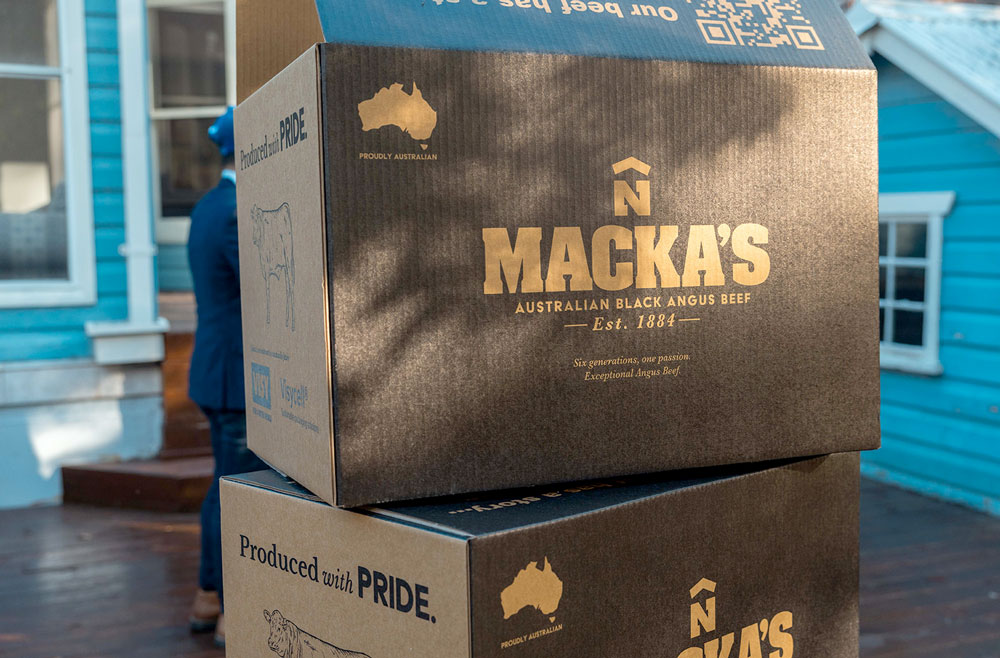
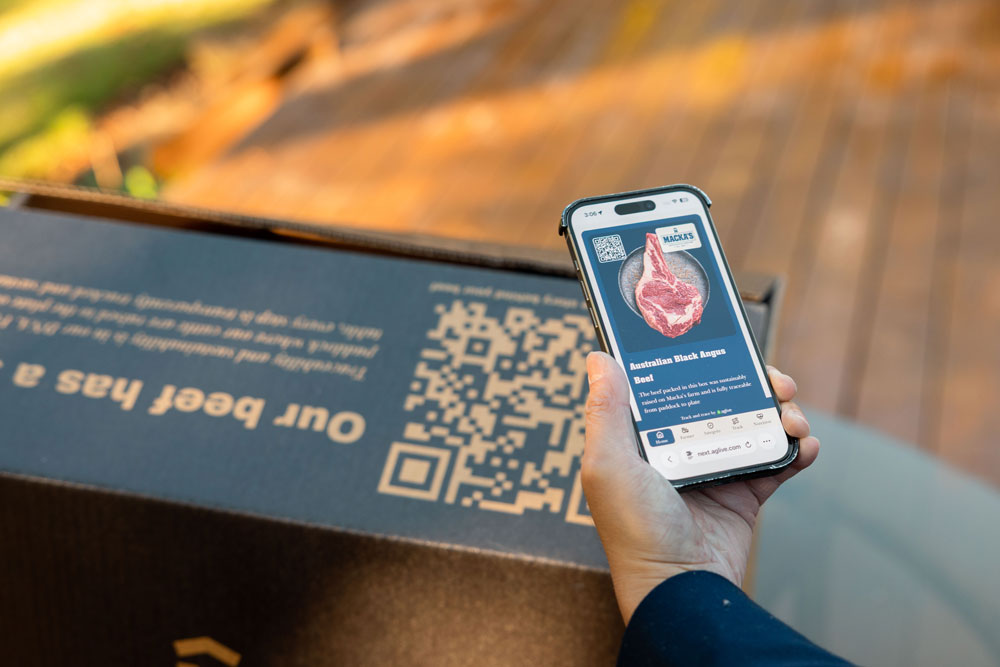
This 12-month pilot delved into how producers can use barcodes, QR Codes and new Digital Passports to highlight their individual herd to cattle buyers and consumers.
The research was conducted by Australian food and fibre consultancy SEAOAK as part of a landmark Farm Sustainability and Traceability pilot that demonstrates how a producer’s can support their provenance credentials right along the supply chain.
SEAOAK indicates how their research has delivered a ready-to-scale blueprint whereas most existing systems only offer industry level reporting.
Pilot scheme testing
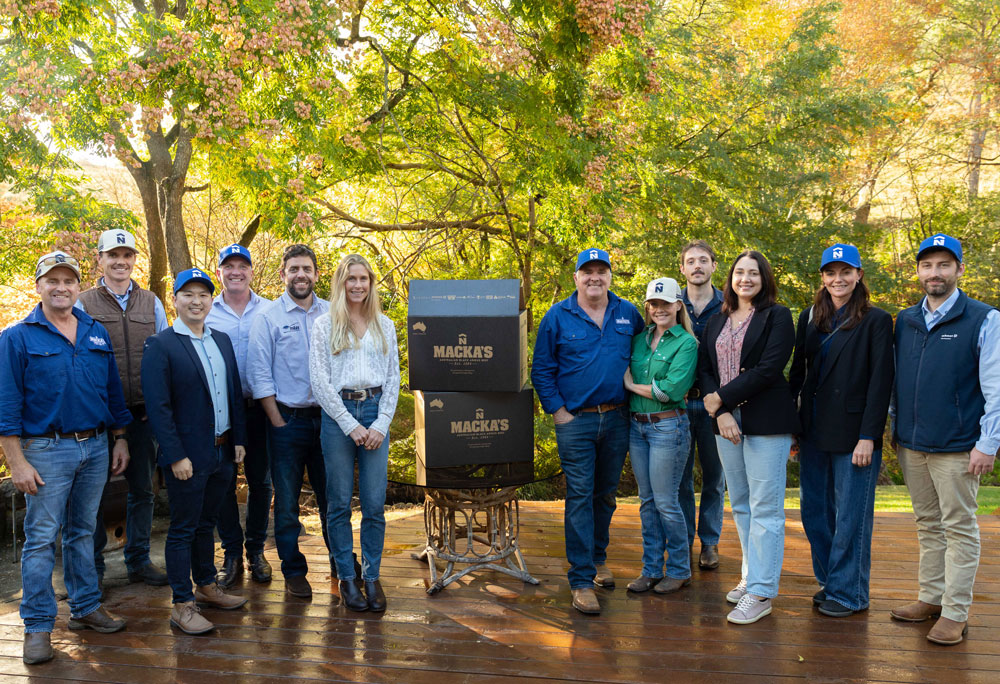
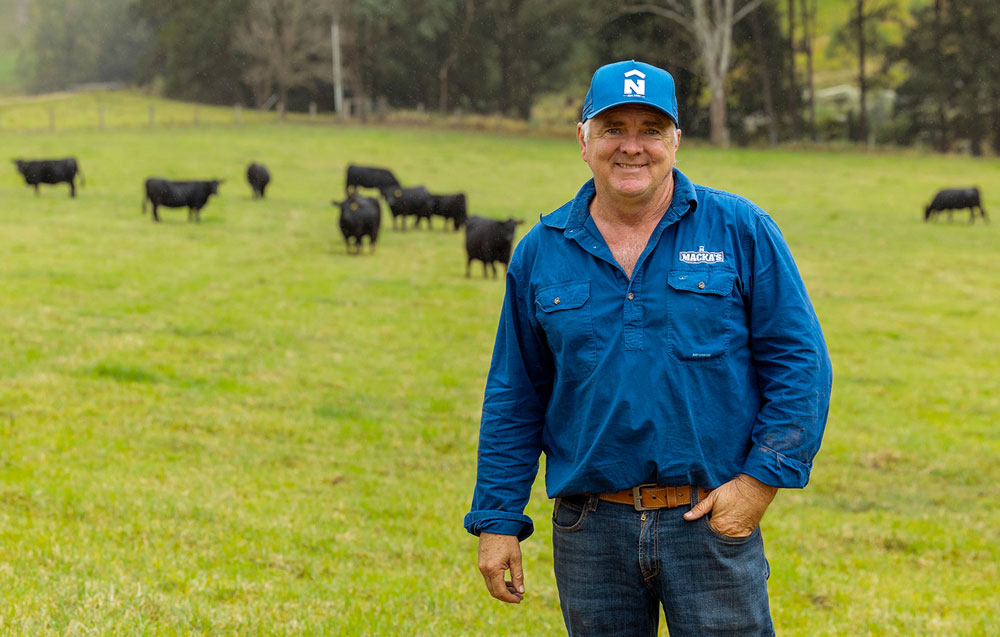
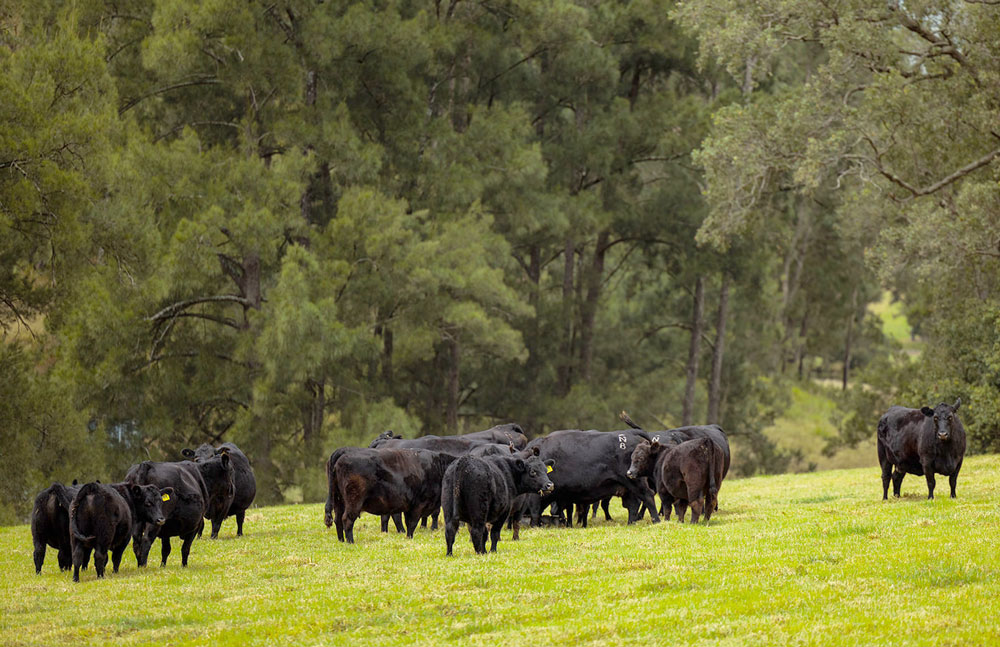
This 12-month pilot ran over 12 months across Macka’s Australian Black Angus beef supply chain, the pilot brought together 15 industry partners and tested the end-to-end solution with supply chain participants and consumers in seven countries including Australia, China, South Korea, Hong Kong, Singapore, Spain and Mexico.
Robert Mackenzie, Managing Director Macka’s Australian Black Angus Beef explains his role in the pilot testing. “We’ve always believed that every Australian producer has a story to tell, and the hard part has been communicating it in a way customers can trust.
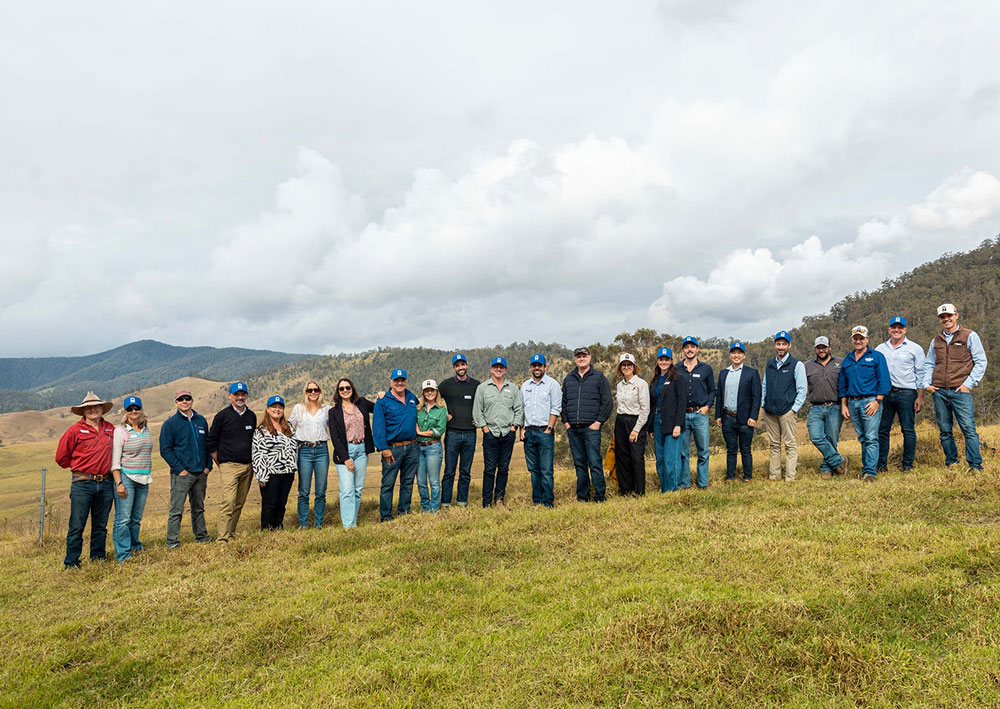
“This pilot let us capture what we do on our farm once and share it the whole way to the plate, in markets as far away as China, Korea, Mexico and Spain. The response has been really encouraging, the digital passports changed how consumers valued the product. For a family farming business entering its sixth generation on the land, that is the future we want to be part of building, and we would encourage other producers and industries to get behind it.”
According to SEAOAK the pilot demonstrates that point of origin producers that have sustainability credentials are now a commercially material driver of purchasing behaviour in the Beef supply chain.
Their pilot confirms that top quality product quality is not as a standalone selling point. Consumers often want more credentials made visible through a trusted, accessible format such as a Digital Passport that turns credentials into buyer confidence.


It appears the long-asked question of whether producer sustainability credentials enhanced consumer buyer behaviour has been answered through this pilot as an active factor in purchasing consideration.
Nearly half of participants (45.3%) said sustainability credentials were significant, with a further 29.2% reporting it was somewhat influential and another 18.9% citing at least occasional influence.
Taken together, more than nine in ten participants reported that credentials shaped their purchasing decisions to some degree. Only 6.6% said they had no influence at all.
Key insights from pilot testing
● Key insight #1: 93.4.% of supply chain participants said sustainability credentials influenced their purchasing decisions significantly, somewhat, or occasionally. When provenance and sustainability information is credible and accessible it can shift from passive reassurance to an active driver of purchasing consideration. Even among a sophisticated supply chain audience, a clear majority changed how they weighed a product once the data was accessible and verifiable
● Key insight #2: Product quality ranked as the highest priority (55.7%), followed by price (16%), and closely by sustainability credentials (15.1%). The narrow margin where comparable products compete for preference is exactly where traceability and sustainability credentials carry the most weight. They are not the primary purchase driver, but for producers in markets where quality and price are increasingly matched, they are the tier where preference is decided
● Key insight #3: 89.7% said the sustainability and traceability information provided in the Digital Passports significantly increased their confidence in the product significantly or somewhat, demonstrating a consistent story that sustainability credentials do influence purchasing decisions up and down the supply chain
And while the initial pilot concentrated on the beef market, it is a working blueprint that can be scaled beyond beef and across all agricultural commodities. SEAOAK is now inviting the Australian agriculture industry and Research and Development Corporations (RDC’s) to participate in a coordinated, cross-sector approach to scaling the solution across all of agriculture.
Take a look at the video report on this link.
Allow a few moments for the video to load.