A biodegradable spray that prevents evaporation and reduces moisture loss may be the key for marginal regions to grow successful crops
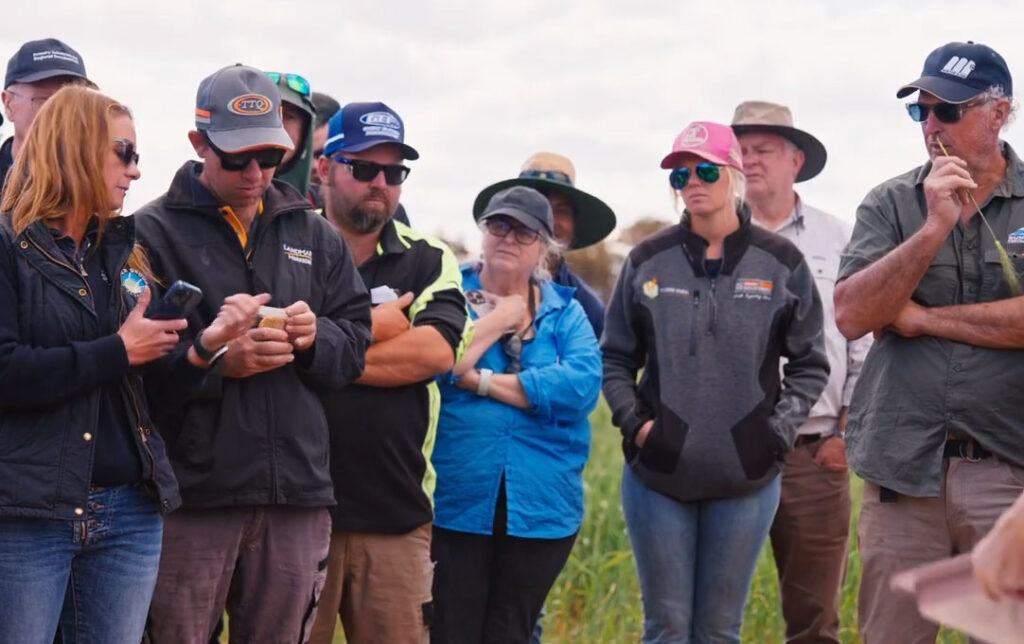
A spray compound is being tested to first capture and then stop rainfall from turning into immediate evaporation, then instead, guide it straight to where the seed needs it for early establishment.
Already under advanced testing, the spray made from a biodegradable polymer, has been proven as capable of capturing and redirecting water to crop seeds. A first step in using current rainfall volumes to drought-proof crops.
A potential gamechanger for farmers battling declining rainfall, Murdoch University researchers have already demonstrated SMART SPRAYS on WA farms and aim to develop a commercially viable application rate over the next few years.
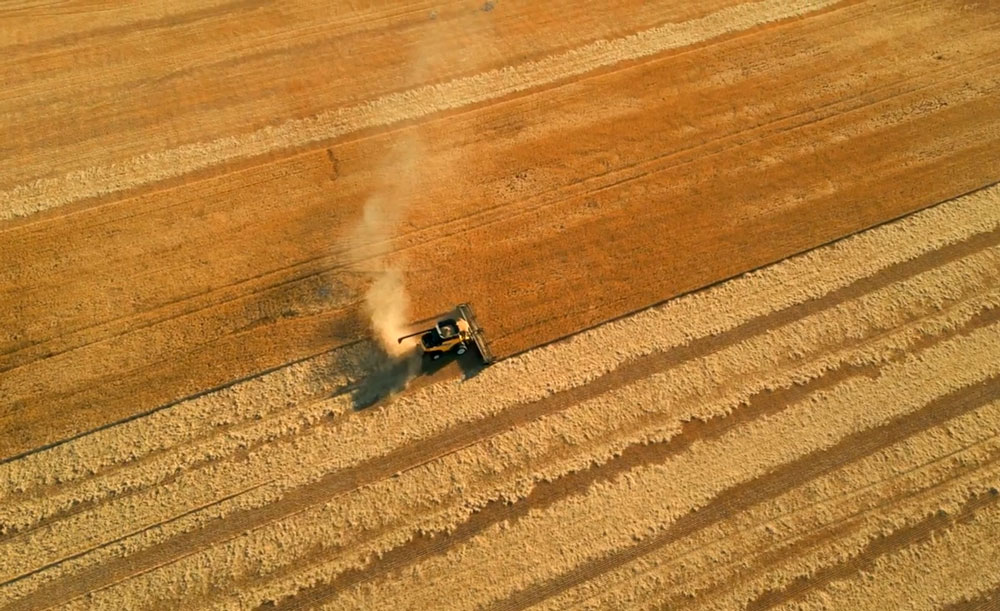
Australia is home to a multi-billion-dollar agriculture industry, however, increasing drought due to climate change is wreaking havoc on crops and undermining food security, as well as the livelihoods and mental health of farmers.
Experts from Murdoch University’s Bioplastics Innovation Hub said in the WA Wheatbelt alone, winter rainfall had reduced by 20% over the past 25 years, foreshadowing real concerns about the region’s ability to produce vital food crops into the future.
Murdoch University Professor of Soil Microbiology and SMART SPRAYS, Maximising the Benefits from Rainfall project lead Daniel Murphy said helping farmers better capture rainfall could be hugely beneficial.
“If we can help increase water availability around plant roots, we could assist farmers in boosting crop productivity,” Professor Murphy assured.
“Our drying climate is already presenting a big challenge for farmers and sadly we know this is only going to get worse.
“There is still more work to do, but SMART SPRAYS are showing potential as helpful innovation for farmers and we’re grateful for their interest in this project.”

SMART SPRAYS, Maximising the Benefits from Rainfall research officer, Cheryl Rimmer from Murdoch University’s Bioplastics Innovation Hub, said climate change was now one of the biggest challenges currently facing Western Australian broadacre farmers.
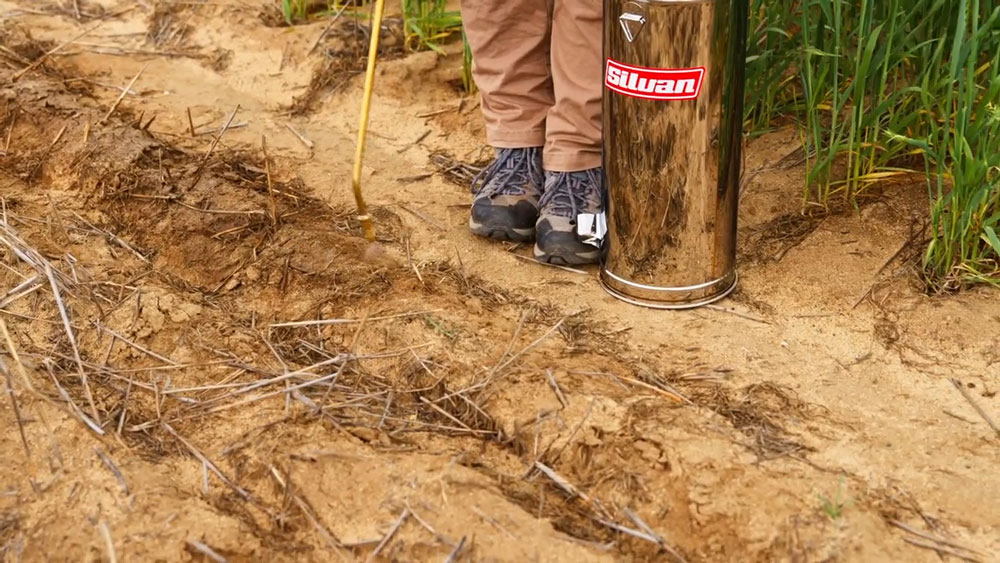
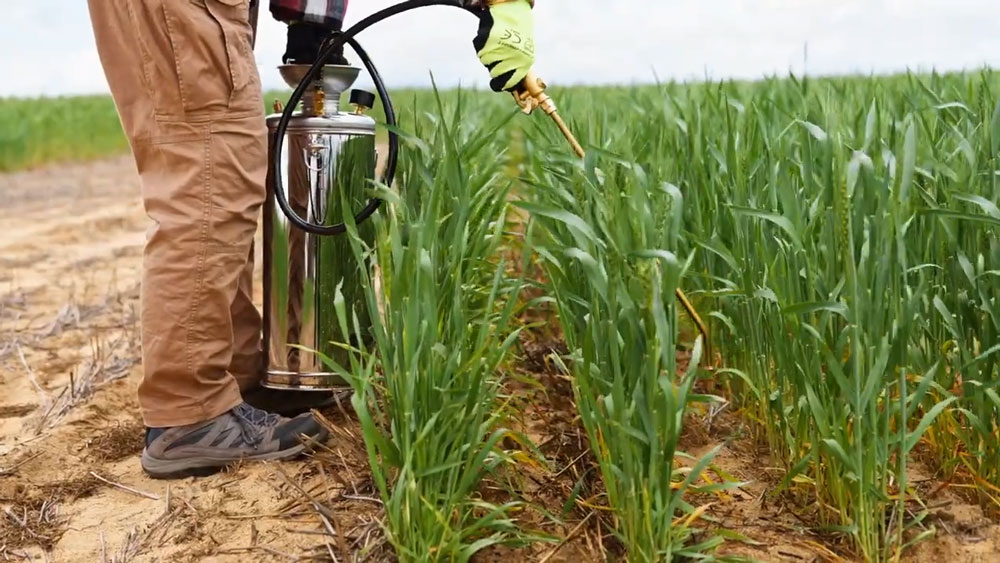
She outlined how SMART SPRAYS use a polymer derived from naturally occurring bacteria that helps soils capture rainfall that would otherwise be lost due to evaporation.
“WA produces about 45% of Australia’s wheat, and if we do get the declining rainfall duration and intensity that is predicted in the future, we potentially won’t be able to produce wheat,” Cheryl Rimmer outlined.
“The substance used in the SMART SPRAYS naturally repels water. So, we’re using those characteristics to form a spray to allow the rainwater to roll down the mound into the furrow.”

Samantha Viljoen, a PhD student at Murdoch University’s Bioplastics Innovation Hub, assured the spray was completely biodegradable.
“They’re from a natural product and we’re just harnessing nature’s ability,” Samantha Viljoen explained.
“We are not putting any synthetic plastics into the soil, leaving no lasting legacy of microplastics or any chemical additives that are traditionally found in plastic mulches.”
Quarry Farms principal farmer Andrew Crook agreed that growers and producers needed to maximise every millimetre of precious rain that fell on their paddocks.
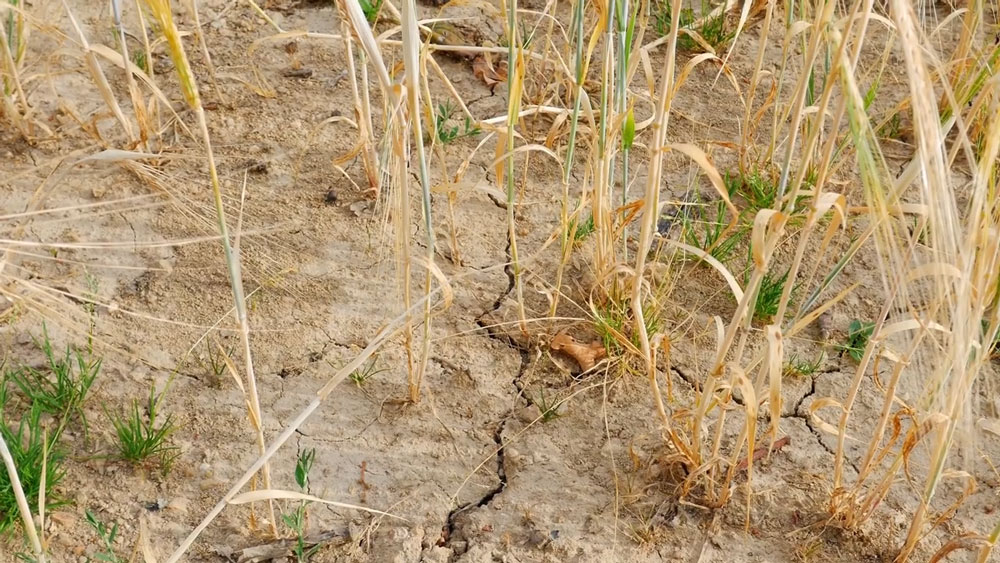
“Statistically, as most people would know, we are receiving less winter rainfall and more summer rainfall,” Andrew Crook confirmed.
“The challenge has been how to harvest that summer rainfall event and store that moisture to make up the deterioration in winter rainfall, particularly in that transition spring-autumn period, where you’re changing from summer to winter and the ideal time to plant our crops.
“That was a big challenge, adjusting all of those to better make use of rainfall events.”
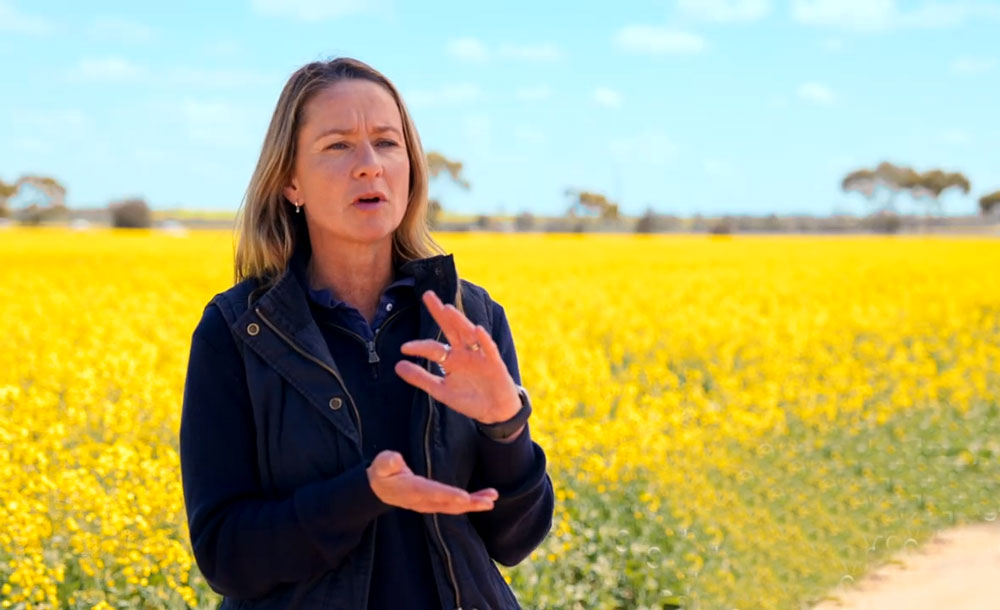
Organisations behind SMART SPRAYS
Led by Murdoch University, the SMART SPRAYS, Maximising the Benefits from Rainfall project was supported by the Growers Group Alliance’s South-West WA Drought Resilience Adoption and Innovation Hub (SW WA Hub), through funding from the Australian Government’s Future Drought Fund, the WA Agricultural Research Collaboration (WAARC) and Murdoch University.
This funding allowed the team to demonstrate the concept to farmers and confirmed their interest in the project.
Tanya Kilminster from the SW WA Hub considered that SMART SPRAYS had the potential to be transformative for farmers.
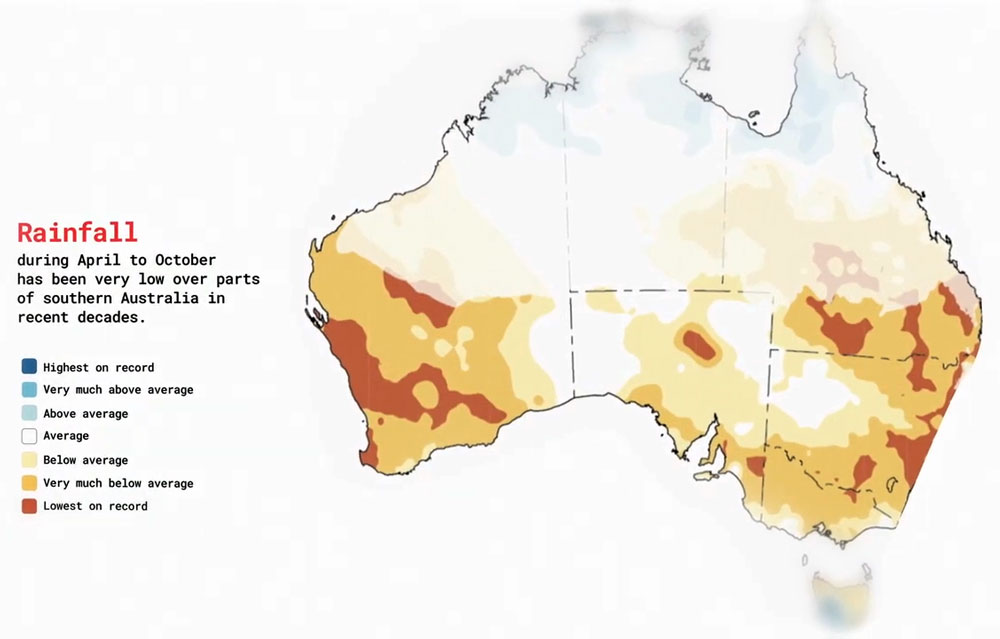
“We’ve dropped nearly 20% of our winter rainfall in just this region alone in the last 25 years. So, if we’ve got technology or an innovation that can harvest more water and reduce evaporation to get the seeding bed right to grow more plants, biomass, and then yield, that’s a winner,” Tanya Kilminster concluded.
Now that the demonstration phase is complete, Murdoch University researchers, with support from the Grains Research and Development Corporation (GRDC), will begin developing a commercially viable product that can be made available to broadacre farmers.
Take a look at the science and application behind the SMART SPRAYS project on this video link.