Reaction to immigration numbers spawned from far-right extremist politicians has heighten labour shortage concerns for growers

While a Labor federal government is never expected to come up with policies that make farmers rich, they should never-the-less not let their fear of losing votes on an immigration issue cost growers their livelihoods.
The current immigration debate puts at risk the viable continuation of over 17,000 fruit and vegetable growers in the horticulture industry that produce an annual farmgate value of over $18.0 billion.
Working holiday visa holders will fill up to 57,000 positions this season, but it’s the upcoming seasons that will start to feel the full effect of the proposed changes.
These now experienced workers from year one that re-apply will have their numbers cut to 45,000 next year, and their valuable experience will almost be lost if they re-apply in year-3 to just 5,000, down from the 31,000 with year-3 experience that are in the workforce this season.
A situation has clearly developed with the Labor government running scared of extreme far-right politicians that have landed on a sore point for voters, immigration numbers.
And while working holiday visa holders have become a vital part of our seasonal harvests, they are obliviously an easy cut to pacify the outcry against high immigration numbers that have been blamed for running down our economy.
Nothing new here, talk to any Chinese immigrant descendent from the gold rush days in the 1850’s, they took the blame for everything that went wrong on the goldfields, including from miners who never found a nugget.
But as fate prevailed, those descendants that remained had opened a Chinese restaurant in every town across the country by the 1960’s, they stayed up late to serve people and became a much-loved part of our very fabric.
Federal Labor should be taking a longer-term view of the political landscape, rather than reacting to a mirage that far right and populist politicians will last or be remembered much longer than the equivalent of a prolonged upset stomach.
In tougher times as we are experiencing at present, of course these ill-spirited loudmouths get attention, and even appear to be gaining traction, but rest assured when it comes to a decision to put restricted-level thinkers in charge of policy making, their radical inspired rants will soon prove to be lacking the moral tone expected from the majority of voters.
Farm industry call for clarity
The peak industry body representing our vegetable, potato and onion growers, AUSVEG, is concerned with the Government’s decision to implement new limits on Working Holiday Makers, by introducing quotas for second and third year visa extensions.
The ballot for those applying to stay a second year will be limited to just 45,000 places while the ballot for the third year will be limited to only 5,000 places.
Minister Burke also committed to a three-month processing time for working holiday visas. The minister says these measures will help the Government cut overseas migration by 75,000 per year
AUSVEG contends the negative impact of these changes on food producers will be felt not only in regional areas but across all communities and will most likely lead to higher prices.
Further detail is sought about how the ballot system will work, including whether there will be conditional criteria, or how the ballot places will be allocated across the year to provide certainty to growers relying on workers during peak harvest and production periods across the year.
AUSVEG’s most-recent Industry Sentiment Survey in January 2026 showed 50% of vegetable growers were facing workforce and skills shortages across temporary and permanent employment types, and all skill levels. While 65% of growers expected these dire shortages to persist, a further 32% expected their situation to worsen.
AUSVEG identified in August 2025 at the Agricultural Productivity Roundtable that a lack of a reliable workforce was a major impediment to improving productivity in the horticultural sector.
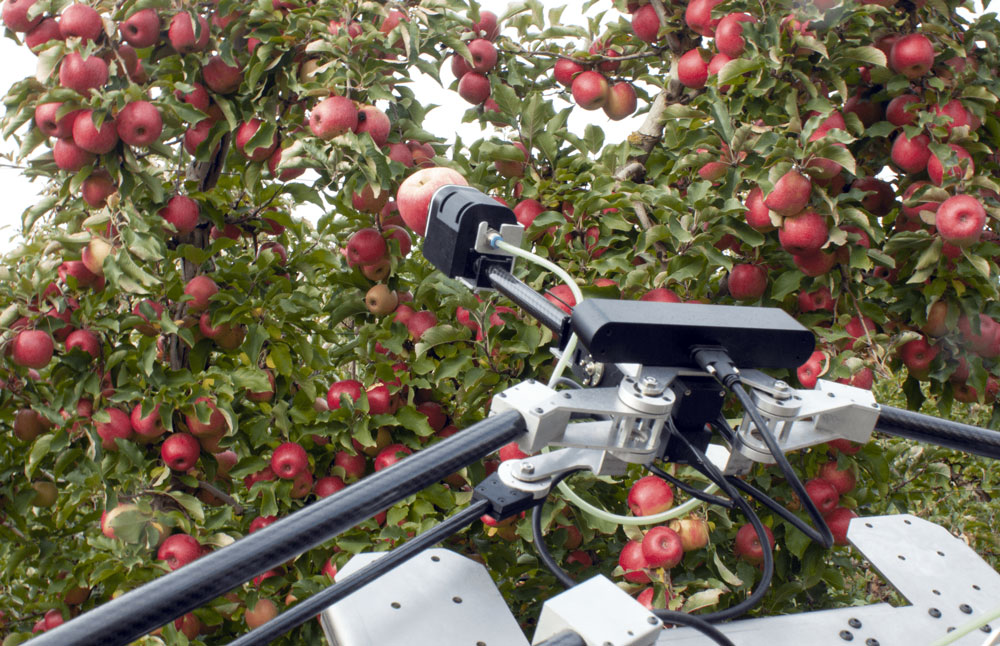
Whilst the industry has been aggressively adopting mechanisation and technology to help fill the void of workers, the current tight economic conditions have hampered growers’ investment capability.
With additional workforce pressure on growers, AUSVEG strongly urges the Government to implement incentives to assist the industry to adopt further agtech to reduce reliance on workers.
Agtech however, doesn’t solve all the issues, with some tasks still heavily reliant on labour, and a grower’s required workforce may expand from a handful of permanent staff to dozens or hundreds of temporary workers as seasonal demands ramp up.
Even before today’s announcement recent developments and speculation over potential long-term reductions and restrictions to both Working Holiday Maker and skilled migration pathways have only increased pessimism in a sector already grappling with uncertainty about the cost of producing food, and the financial viability of next season’s crops.
The addition of agriculture on the priority list of skilled visa processing is welcomed, with the industry desperately seeking additional skilled workers to fill critical roles including human resources, finance and across farm operations.
AUSVEG Chief Executive Michael Coote clearly outlined the issue, “AUSVEG implores all sides of politics to find workable solutions for industry so that vegetable growers do not become collateral damage in the populist rush to cut migration to the country.
“It must also be recognised that vegetable growers have been dealing with chronic workforce shortages over many years, and that our $6 billion vegetable industry is still battling the severe impacts of the Middle East conflict and years of challenging operating conditions. It is now also facing a potentially ever shrinking workforce crisis, and the impact will be felt by families, regional communities and on national food security.”

“In Australia, 98% of the fresh vegetables consumed here are grown by local vegetable growers. Combined, these growers supply some 10,000 tonnes of fresh produce into the domestic market each day for consumers. In short, a viable, productive vegetable industry is critical to a previously assumed right to an abundant supply of Australian-grown vegetables.
“The wide array of crops, production systems and major variations in the size and scale of commercial vegetable producers across the country, means the vegetable industry needs flexible and diverse workforce options.”
“This policy adjustment could be the final straw for many growers already grappling with farm viability and has the potential to impact the supply of Australian-grown vegetables available to Australians, causing scarcity and food prices to increase. In a cost-of-living crisis like the one we are in the grip of now, this has the potential to prove more unpopular than the problem they are trying to fix”, Michael Coote concluded.