More cotton growers are being drawn to the benefits of using ExactShot to control their precision ag planting applications
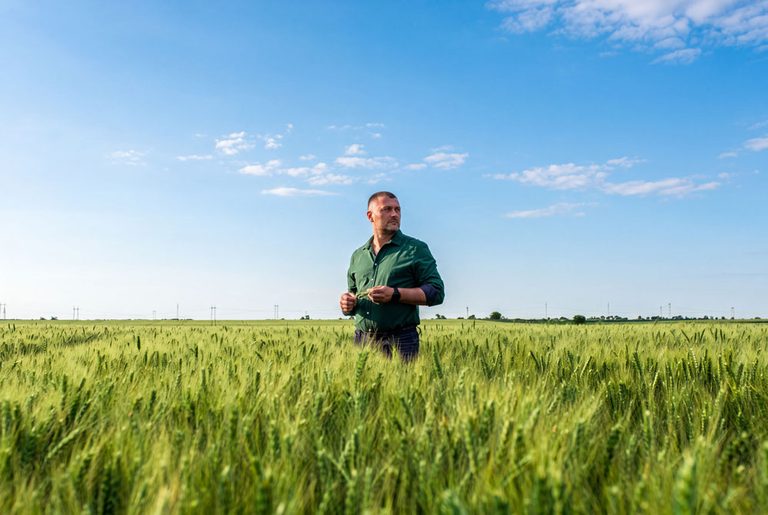
For row croppers in the warmer northern regions, getting crops out of the ground quickly with uniform and healthy seedling emergence has become key to achieving more reliable high yields at harvest.
The quest for optimal seedling emergence in cotton has led the McVeigh Partnership in southeast Queensland to trial John Deere’s ExactShot precision ag planting technology across some of their 8,000 hectares of cropping, situated within a 45km radius of Dalby QLD.
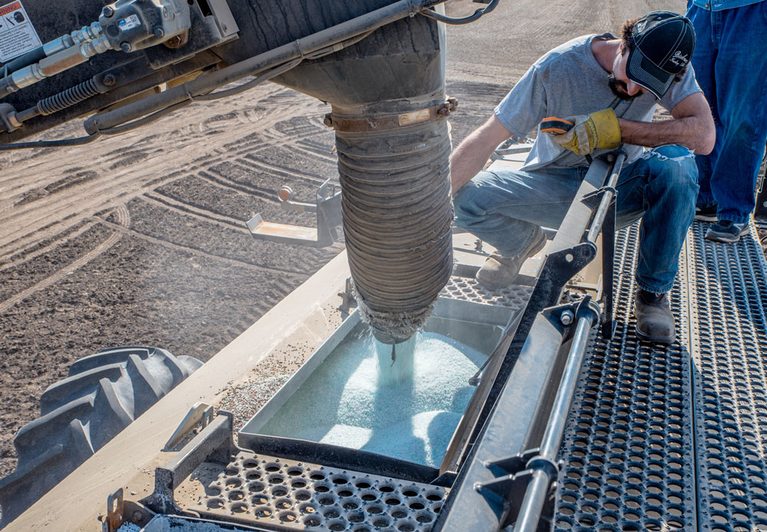
ExactShot uses sensors and per-row nozzles to deliver a micro-dose of starter fertiliser directly onto each seed as it’s sown, optimising the nutrients available to the emerging seedling, promoting early root development, and reduce overall fertiliser use.
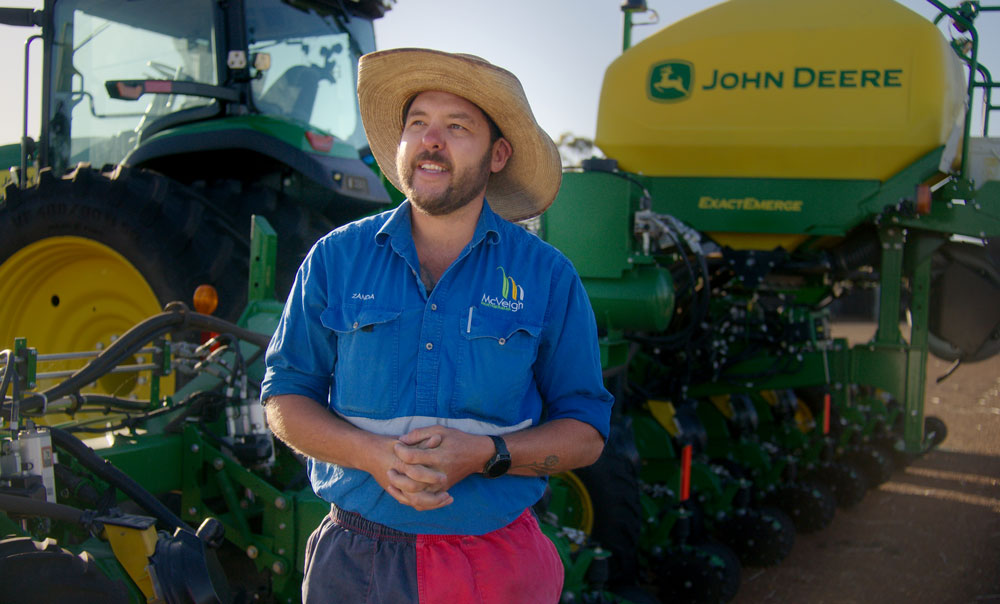
“Here on the Darling Downs, we’re limited by the number of day degrees or optimal days for crop growth, so we’re focused on improving germination and emergence to get the seedling out of the ground one or two days quicker, to give it maximum growing time,” explained Alexander Stephens, McVeigh Partnership cropping manager.
“Achieving crop consistency for us means seed placement, seed spacing, correct depth and then putting the fertiliser where it’s needed with ExactShot.
“We know what the yield potential is, but if this technology can enhance our seed survival rate as well as make it more cost-effective to get the yield, it will be very important.”
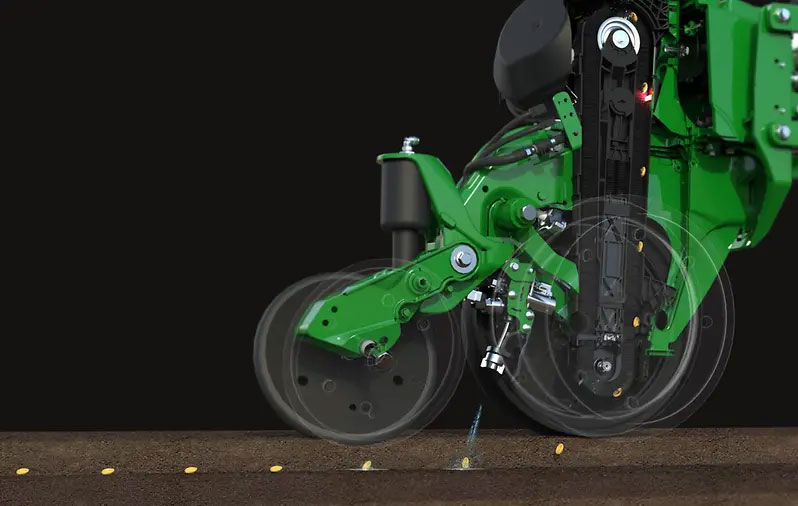
Sensor places fertiliser with seed
The McVeigh Partnership grows dryland and irrigated cotton alongside corn, sorghum and mung beans in summer, and wheat, barley and chickpeas in winter.
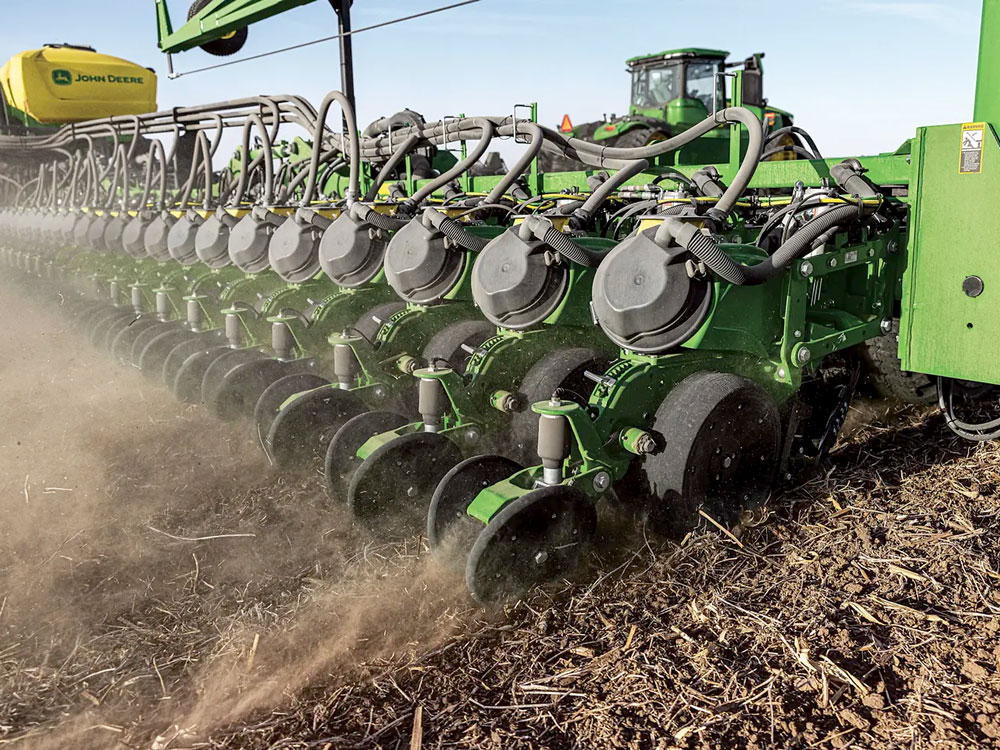
ExactShot is available on new planters or as an aftermarket precision upgrade for compatible planters. For this trial, the Partnership used a John Deere 1725C ExactEmerge™ planter pulled by an 8R 310 tractor.
The most important part of ExactShot technology is the seed metering system, Alexander explains in this operational rundown.
“The seed brush grabs the seed from the bowl and takes it down into the trench and out of the seed tube. Inside the seed brush is a sensor, so the machine works out when the seed is released and gives it a nice little shot of fertiliser on the way.
“In our crop of Sicot 606B3F we’ve got around 10-12 seeds per metre and ExactShot has given them a really good kick out of the ground, which is what we were aiming for.”
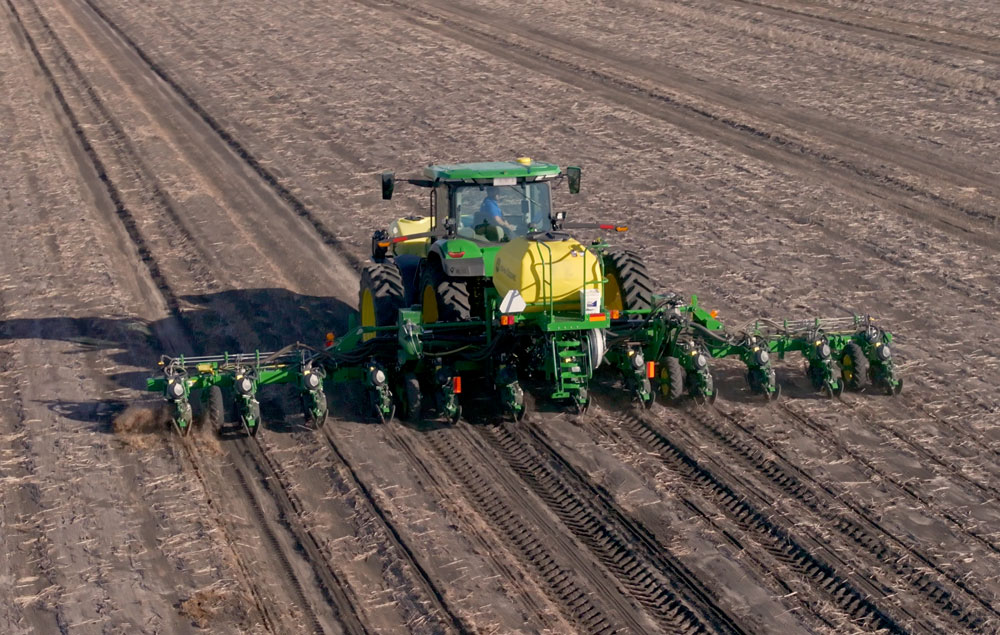
Tough season for trial crops
Elders agronomist, Millie Bach confirmed it had been a tough season for the emerging trial seedlings, with pest pressure and weather presenting major challenges for growers on the Darling Downs.
“These seeds have been sprayed for sucking insects including Rutherglen bugs and thrips, and the weather conditions have not been conducive to getting the crop out of the ground,” Millie added.
“We can lose large numbers of seedlings by not having a quick emergence or just through disease or weather conditions, so anything we can do to get them out of the ground quickly and as healthy as possible, is a big help.
“Having a very consistent emergence across the whole field will certainly boost our yields,” Millie concluded.
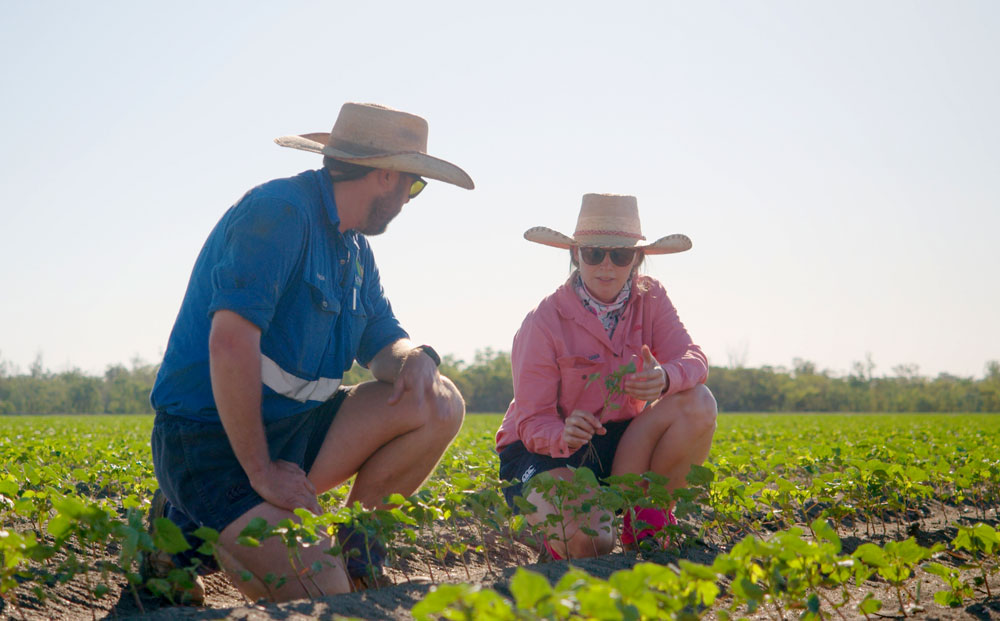
Precise placement reduces costs
For Royce Bell, John Deere’s Production and Precision Manager, he outlines why it’s exciting to see the ExactShot technology tested in a farmer-led trial.
“The application equipment is actually quite simplistic, in that we just manage the control of that liquid fertiliser or liquid product into the furrow. Where the smarts come in is the precise placement so that you only apply it at the seed,” explained Royce.
“By controlling the parameters and the application, we can ascertain whether we need to spend money putting a full blanket of fertiliser on or save money and get a better establishment. There’s just so much to explore.
“ExactShot can be applied across the board, whether it’s cotton, corn, sorghum or other row crops that require a starter fertiliser or a starter application to get out of the ground, and these trials will help to understand how we can get a better outcome with less inputs,” Royce added.
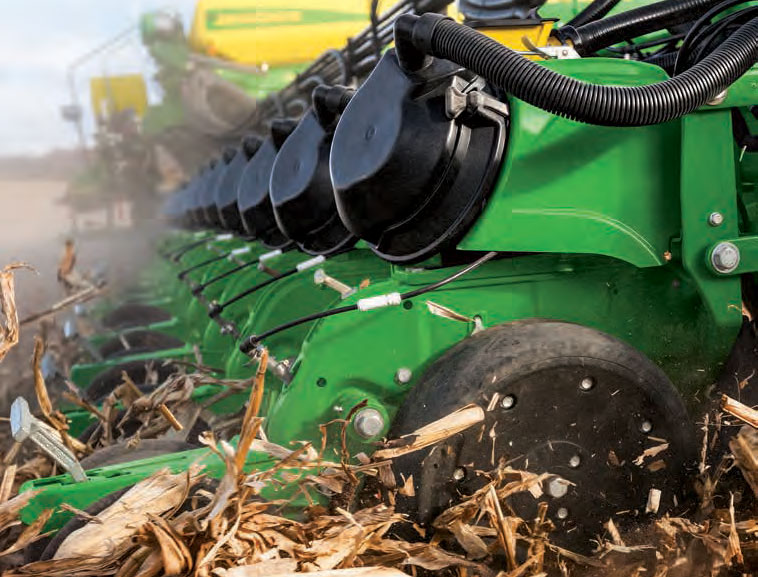
Technology for the future
While the trial partners are in the early stages of learning about ExactShot technology, Elders agronomist Millie Bach can see different scenarios where it could be used to make cost savings and target nutrient applications.
“There are a lot of new products coming to market, such as micronutrients and biologicals, that may not be cost-effective in a broadacre scenario. With this technology we may be able to target applications that improve seedling vigour and survival, support root health and disease management, and help the industry continue to meet increasingly ambitious sustainability targets.
“I think the big picture is achieving a return on investment for growers and being able to utilise technology to get that little bit extra on yields and to keep the trend moving upward,” Millie added.
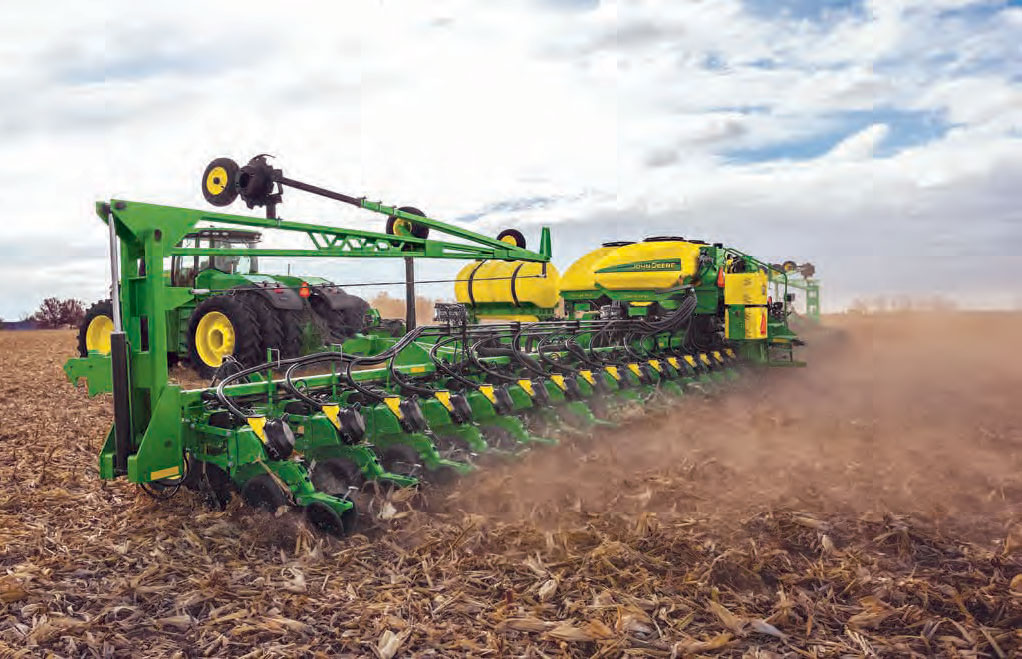
Meanwhile, down on the trial plot Alexander Stephens from McVeigh Partnership is looking forward to monitoring the crop through to picking, to gauge the benefit of ExactShot.
“For us, it’s a combination of things. We’re going to increase our productivity with the speed of this machine and hopefully lower our seeding rates, so that’s another cost saving that we potentially could have, along with less fertiliser.
“We’re always trying to achieve a new goal. If we can just increase our average overall yields, that’s where we will probably see the most benefit from this technology,” Alexander concluded.
Read more about how ExactShot has been introduced to cut starter fertiliser by over 60% on this link.
See how John Deere Exactshot progressed in the trials with Alexander Stephens from McVeigh Partnership on the video below.
John Deere 1725C ExactEmerge planter specs