How English Leicester sheep shaped our local wool industry is covered in a book titled The History of English Leicester Sheep in Australia
A book about the two centuries of the quiet influence English Leicester sheep had on developing our sheep herds from the very beginning, is a library essential as the breed is now classified as vulnerable.
For nearly two centuries, English Leicester sheep shaped the Australian wool industry without ever dominating the headlines. They were an accepted part of the sheep breeding base.
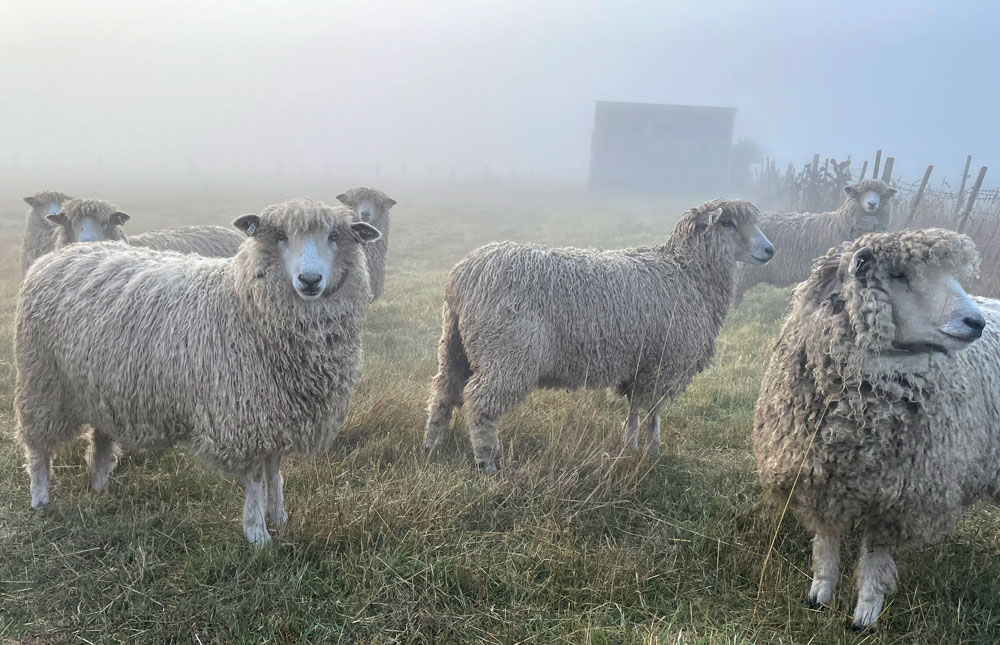
The English Leicester arrived on these shores in 1825, and in the decades that followed, it became one of the most important breeding fabrics for improving the quality and quantity of wool produced across the colonies.
Today, the breeds bare survival is only due to a small but dedicated community of breeders who understand what would be lost if we were to lose its shaggy tips to history.
Arrival and Early Impact
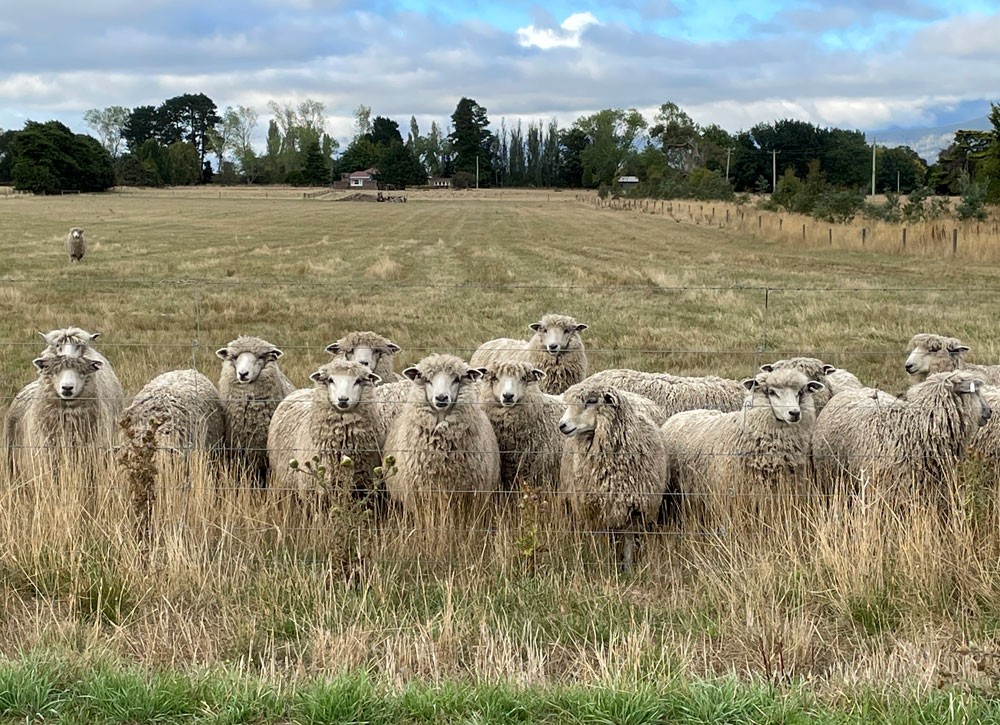
The first documented English Leicester sheep arrived in Australia in 1825, brought by early settlers who understood the value of quality genetics.
The breed had already been refined in England by Robert Bakewell, the father of modern animal breeding, whose work at Dishley in Leicestershire transformed livestock improvement from an art into a science. Bakewell’s methods of selective breeding produced sheep with longer, denser wool and more muscular frames, traits that made them ideal for crossbreeding.
In Australia, the English Leicester quickly proved its worth. Colonial farmers discovered that crossing English Leicesters with Merino ewes produced offspring with heavier fleeces, improved meat conformation, and greater adaptability to our conditions.
The breed’s role was not to replace the Merino, but to elevate it. For decades, English Leicester rams were the preferred choice for Merino improvement programs across New South Wales, Victoria, Tasmania, and South Australia.
The impact was economic as well as genetic. Heavier fleeces meant more wool per animal. Better meat conformation meant sheep that could be sold for both wool and mutton. In an era when sheep were expected to pay their way on multiple fronts, the English Leicester delivered what farmers at the time needed.
Breed’s decline
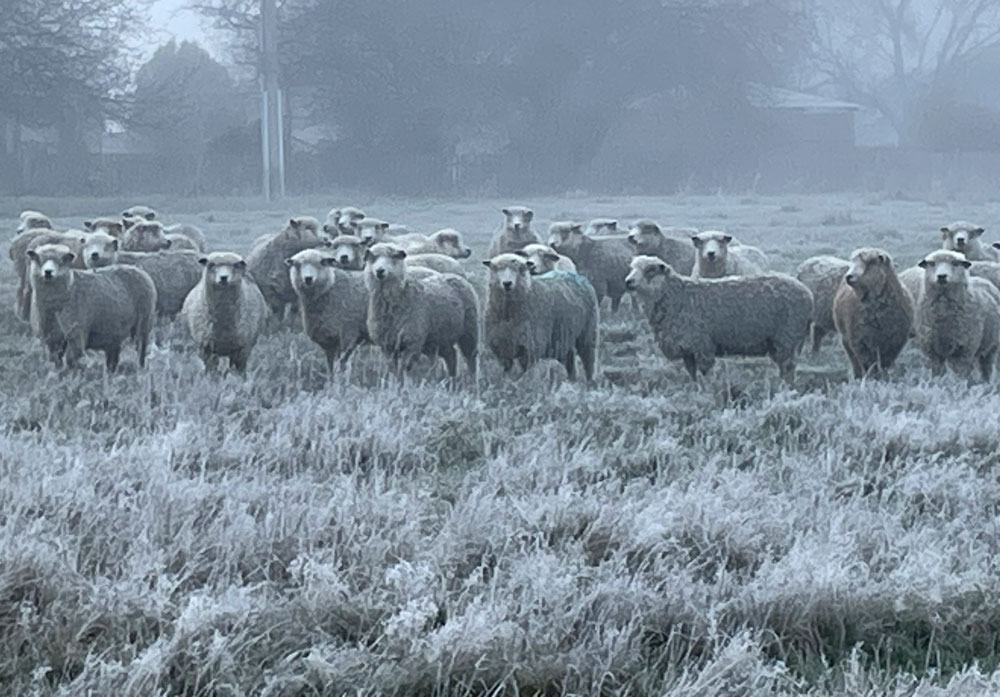
By the mid-twentieth century, the English Leicester’s star had begun to fade.
Specialist meat breeds offered faster growth rates. Specialist wool breeds promised finer micron counts.
The English Leicester, a true dual-purpose breed, found itself squeezed between specialists on both sides. Numbers dropped steadily as commercial producers moved toward breeds that promised quicker returns.
The decline was not unique to our own soil. In the United Kingdom, the Leicester Longwool, as the breed is known there, also saw its numbers contract. By the late twentieth century, it was classified as rare in both countries.
The breed that had helped build the Australian wool industry was now at risk of disappearing from it entirely.

Conservation in current role
The English Leicester has reached the stage of being classified as vulnerable in Australia. This status reflects both the small number of registered animals and the limited number of active breeders maintaining purebred lines.
Yet the breed retains qualities that remain relevant for current producers.
The English Leicester is still valued for crossbreeding, particularly in programs that aim to produce prime lambs with both wool and meat value. Its fleece, while not as fine as Merino wool, is prized by handspinners and craft workers for its length, luster, and crimp.
The breed’s calm temperament and strong maternal instincts make it an excellent choice for small-scale and heritage farming operations.
Perhaps most importantly, the breed represents a genetic reservoir. In an era of increasing concern about genetic diversity in livestock, the English Leicester carries bloodlines that have been carefully maintained for over two centuries. Losing those bloodlines would mean losing options for future breeding programs.
Breeders keep the legacy alive
The survival of the English Leicester here currently depends on a small network of dedicated breeders who maintain registered studs, exhibit at agricultural shows, and share genetics across state borders. Among them is Brenton Heazlewood, whose family has been involved with the breed since 1871.
Brenton farms at Whitemore in northern Tasmania, on the same property where his great grandfather registered the family’s first English Leicester stud. Each generation since has maintained registered flocks and exhibited at shows across Tasmania and the mainland.
Brenton continues that tradition, taking a team of English Leicesters to the Australian Sheep and Wool Show in Bendigo each year and exhibiting at local shows across the state.
The genetics from the Heazlewood stud have been widely used in Australia and exported to New Zealand, Canada, the United States, and Sweden. In the United States, they played a role in reintroducing the English Leicester to a country where the breed had nearly disappeared. In Sweden, they contributed to conservation programs aimed at maintaining genetic diversity in European flocks.
Brenton is also a federal longwool sheep judge who has judged in all Australian states and at major festivals in the United States, including the Maryland Sheep and Wool Festival, the New York Sheep and Wool Festival, and the Wisconsin Sheep and Wool Festival.
Brenton also served as Federal President of the Australian Stud Sheep Breeders Association from 2020 to 2026 and is currently President of the English Leicester Association of Australia.
What the future holds
The fate of the English Leicester in Australia depends on whether the agricultural community continues to value genetic diversity, heritage breeds, and the history embedded in livestock bloodlines.
The breed will never again dominate the local sheep industry. That is not the goal. The goal is to ensure that the genetics, knowledge, and cultural memory represented by the English Leicester are not lost.
For producers, the message is practical. Heritage breeds like the English Leicester offer options. They carry traits that may become more valuable as farming conditions change. They connect modern agriculture to its history. And they remind us that the sheep industry was built not just on the breeds that dominate today, but on the quiet contributions of breeds that rarely make the front page.
For the small community of breeders who maintain them, the English Leicester is not just a sheep. It is a living link to two centuries of Australian agricultural history. And for many, that is worth preserving.
Add the book to your library
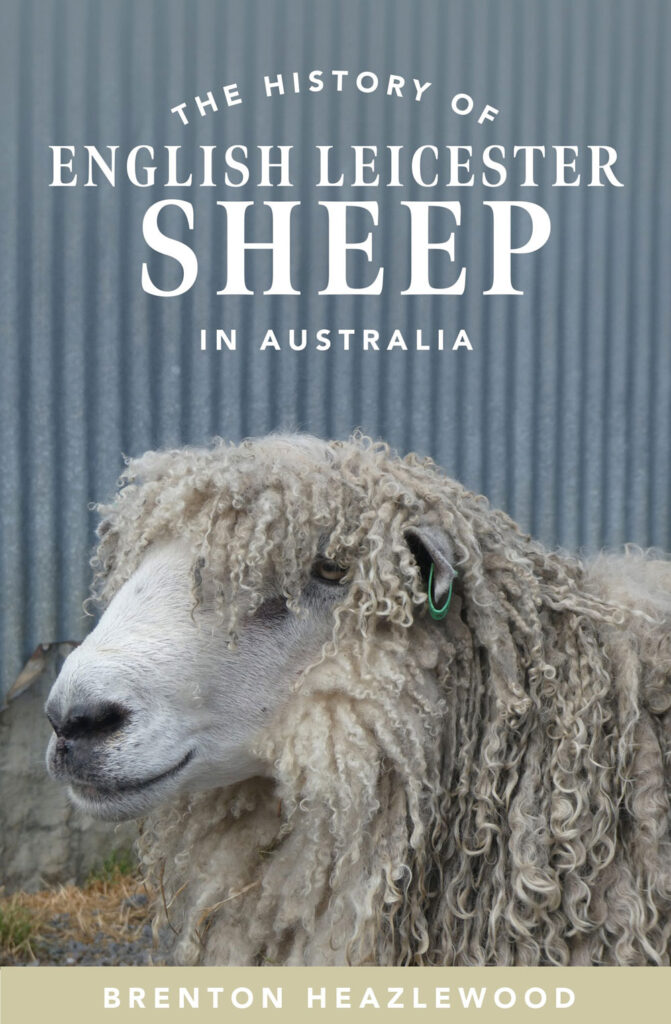
The History of English Leicester Sheep in Australia is written by Brenton Heazlewood a fifth generation English Leicester breeder at Whitemore Tasmania.
The book represents a story of great success, and endearment stabilising our budding sheep industry in the 1920’s then followed by almost ultimate abandonment when trendier breeds replaced them. The 618-page book took seven years to complete and documents the breeds over 200-year history in this country.
It is available through Brenton’s website at brentonheazlewood.com.au and on Amazon in paperback for $59.95 on this link.