With an abundance of produce coming to market growers are positioned to smash supply records and keep up with export demand
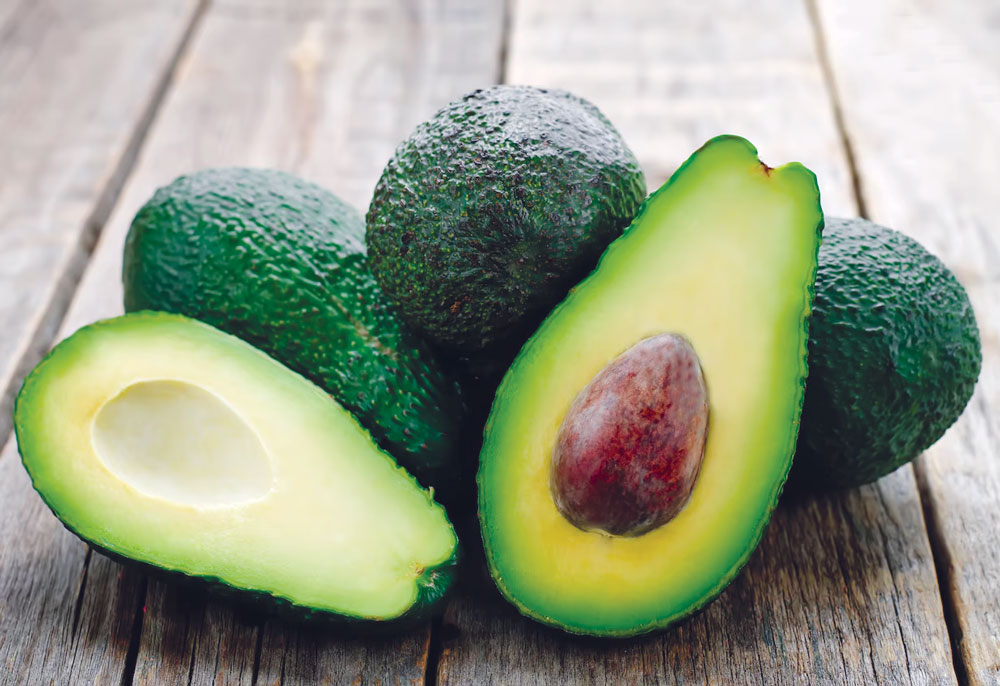
Avocado growers are in the box seat as production is rebounding just in time to meet increased consumer demand from both local and export markets.
Both supply and exports of the popular fruit is heading for record levels according to a recent global report by Rabobank.
In its Global Avocado Update 2026, the specialist agribusiness bank indicates how declining production in the 2024-25 season, – due to “natural biennial bearing cycles” for avocado crops – supply is now expected to soar to record levels of 170,000 metric tonnes in coming seasons, based on industry estimates.
This increased abundance of avocado across all upcoming seasons will allow cover local demand and also see exports lift to record highs.
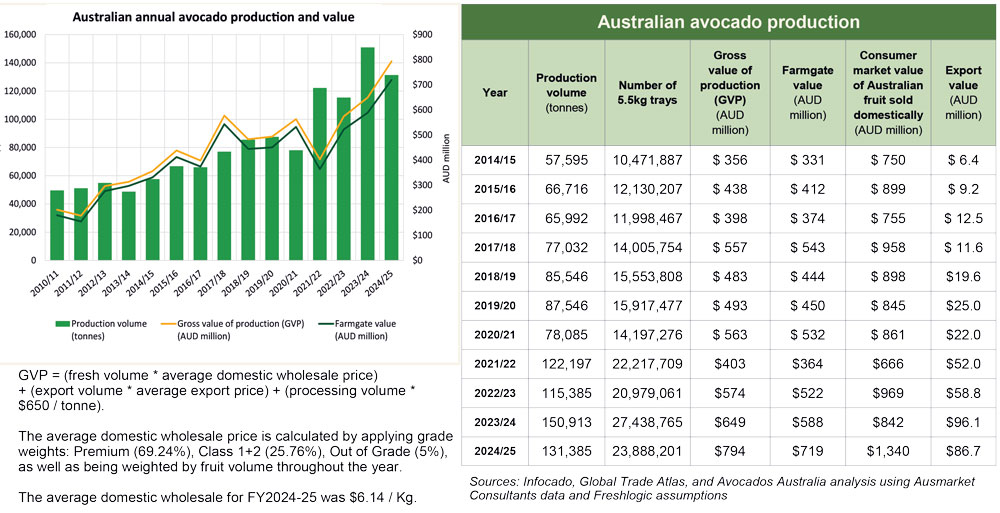
And the good news for local consumers is that abundant supply is expected to see retail prices for avocados remain relatively low compared with historical levels, according to the report.
The report confirmed that while avocado production had declined by 15% in the 2024-25 season – due to ‘alternative bearing’, the natural cycle where trees yield larger amounts of fruit every second year – production was overall on a growth trajectory as the sector matures.
The avocado sector has undergone structural expansion in recent years, underpinned by increased plantings as well as yield gains as newer orchards reach maturity.
And the medium-term outlook for the Australian avocado sector looks positive, the report said, with local and export demand continuing to grow.
Queensland remains the largest avocado-producing state in Australia, accounting for 50 per cent of national output, the report confirmed, followed by Western Australia.
“Growing conditions for the commencement of the 2026 season have been most favourable in these key regions,” according to c co-author to the report.
Export market reach
As for avocado exports, the report indicates it has continued to lift volumes in recent years. For calendar year 2025, exports reached a record high of approximately 18,400 metric tonnes.
Asia remains a core destination for locally grown avocados, led by established markets, including Hong Kong, Singapore and Malaysia. And with emerging markets across other South-East Asian economies and the Middle East.
Average export prices for Australian grown avocados ranged between au$5.20 and au$5.24 per kilogram between 2024 and early 2026, the report confirmed.
In the domestic Australian market, while New Zealand supplied 6000 metric tonnes of avocados to fill the “seasonal gap” in 2025, the report shows New Zealand imports into Australia are declining, with weaker demand due to increased local supply.

Global avocado demand
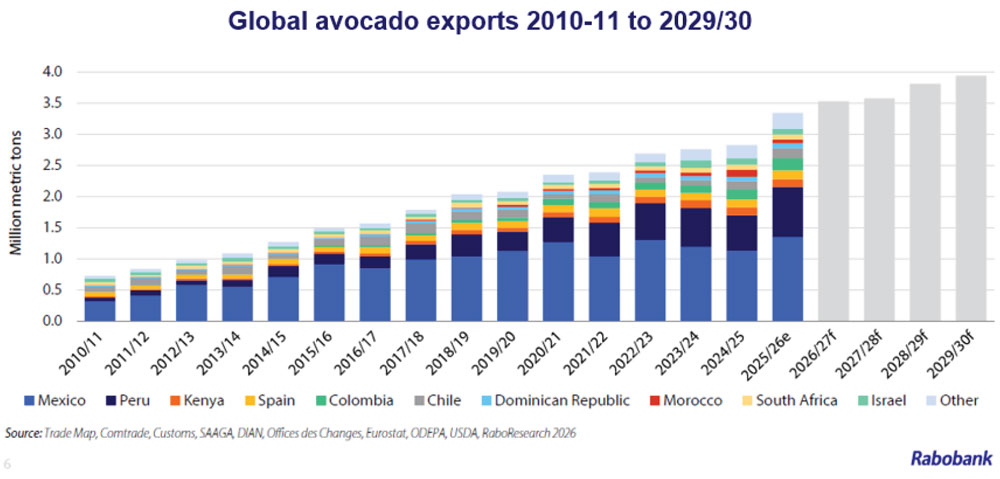
On the global market, the report outlines how avocado exports remain on a strong growth trajectory off the back of robust output from longstanding production “heavyweights”, and rising production across a host of emerging players.
“Global exports have risen dramatically, from 0.73 million metric tonnes in 2010-11 to more than 3.3 million tonnes in 2025-26, with Mexico and Peru as the dominant contributors alongside growing volumes from others like Kenya, Spain, Colombia and South Africa,” co-author Michael Harvey added.
The report indicated global avocado volumes are expected to increase further in the 2026-27 season, however the developing El Niño is set to heighten, but unevenly distribute, weather risks.
Rather than a broad supply squeeze, El Niño will likely increase variability of yields and fruit sizes across regions, thereby amplifying seasonal imbalances and market volatility.
On the demand side, the report says, some established markets are showing signs of maturity while new players continue to increase demand.
“Global avocado demand continues to display a dual-speed dynamic, with mature markets approaching saturation, while emerging consumption regions sustain structurally higher growth,” co-author Michael Harvey continued.
“Mexico and Chile remain clear outliers in per capita/ per annum availability (the standard measure used to estimate average per-person consumption) at approximately 14 kilograms and nine kilograms respectively, suggesting limited headroom relative to emerging consumption regions.
“In contrast, steady expansion across large population markets like the EU, that reached 2.24kg per capita in 2025, indicates significant growth potential.
“Countries such as Italy, Germany and Turkey are also exhibiting rapid relative growth, pointing to broad-based adoption rather than niche consumption,” co-author Michael Harvey concluded.