Improved soil moisture levels across several key grain growing regions has lifted production prospects compared with earlier projections

An industry expert has been bold enough to ponder a mid-winter seasonal forecast that has turned around their earlier pessimistic predictions on crop prospects, replacing the previous rhetoric with a vastly improved harvest outlook.
Growers are pleased to take onboard that Rabobank has revised its winter crop outlook following timely rainfall and improved soil moisture levels across several key grain-growing regions.
This scenario has greatly lifted production prospects compared with earlier projections according to Rabobank. See their previous early season predictions here.
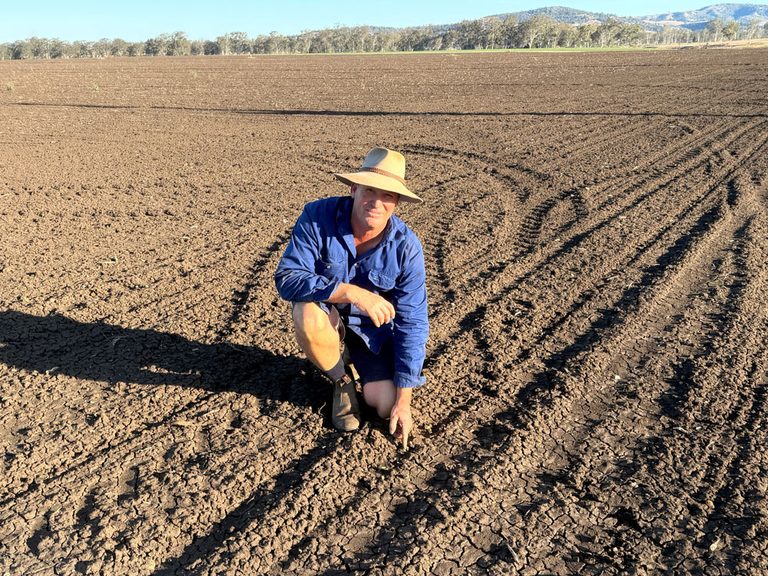
The bank’s early summary of the season was prompted by a late, dry start to this year’s 2026-27 winter crop planting in many parts of the main growing regions. This led to expectations of below-average production.

With the national winter crop now in mid-winter, with average to good development condition prevailing, Rabobank’s senior grains and oilseed analyst Vitor Pistoia is confident the national crop picture had “really, really changed” following a run of rainfall events that helped establish crops and rebuild grower confidence across much of the country.
“The models and the feeling and the vibe really changed here in the country,” Vitor Pistoia outlines. “We are potentially going for an average season now – no longer below average.
“However, with an El Niño increasing the risk of below-average spring rainfall through the growing season, there was cause for caution about how the crop would finish, particularly across southern Queensland and northern New South Wales.”
For now, RaboResearch confirms the latest seasonal indicators point to national wheat production in the range of around 27 million to 30 million tonnes – assuming no major dry spells during spring and with continuing adequate supplies of farm inputs – supported by improving yield prospects.
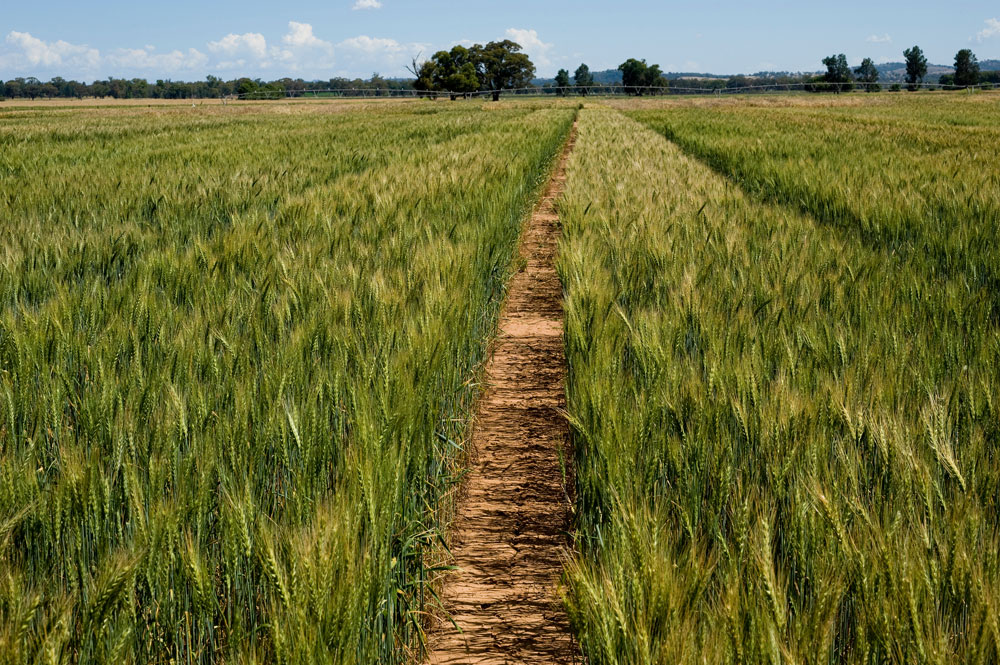
RaboResearch also indicated crop models had already been showing a lift in wheat yield potential since early July, with the improvement equivalent to about 0.2 to 0.3 tonnes per hectare in some modelled outlooks.
While the ultimate crop size will still depend heavily on spring rainfall, Vitor Pistoia believes the “downside risk” had eased compared with earlier in the season. “Things do change,” Vitor Pistoia added. “A few months ago, this season was looking like it could be below average. Now, if spring can do enough of the job, growers have the potential to print big numbers again.”
RaboResearch has updated its expectations on how growers in each state could benefit from the improved rainfall events leading to added soil moisture for crop establishment.
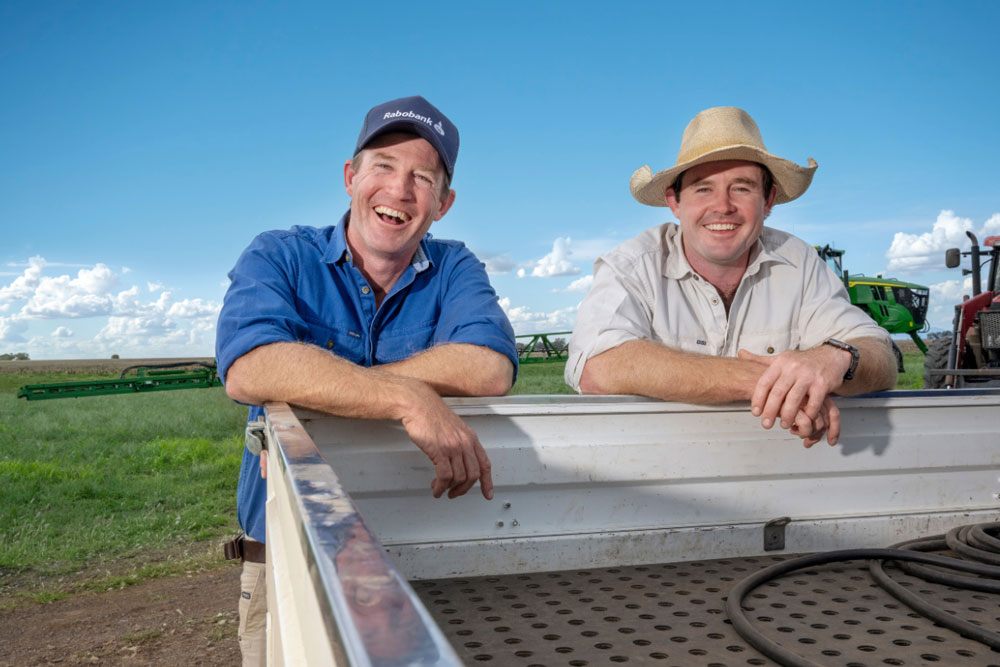
South Australia and Victoria lead improvement
South Australia is among the current standout regions when it comes to cropping, with very favourable conditions across the Eyre Peninsula after early rain in late February and March created valuable subsoil moisture. Follow-up falls through May, June and early July have left crops looking strong across wheat, lentils and other winter crops.
The bank says the season in parts of South Australia is now tracking as one of the more positive in the national winter-crop belt, although some lower-lying areas would benefit from a drier spell and sunshine to reduce waterlogging pressure.
In Victoria, conditions through the Mallee, Wimmera, north-east and parts of central Victoria have also been strong, with mild June weather helping crops advance rapidly, while July was closer to average.
RaboResearch indicated many crops are now two to three weeks ahead of normal development, raising yield potential but also increasing frost sensitivity.
“That is something that has developed to this point of the season – the big concern with frost,” Vitor Pistoia warned.
RaboResearch indicated average spring rainfall would likely be enough for many Victorian cropping regions to finish with above-average yields, provided frost events do not cause material damage.
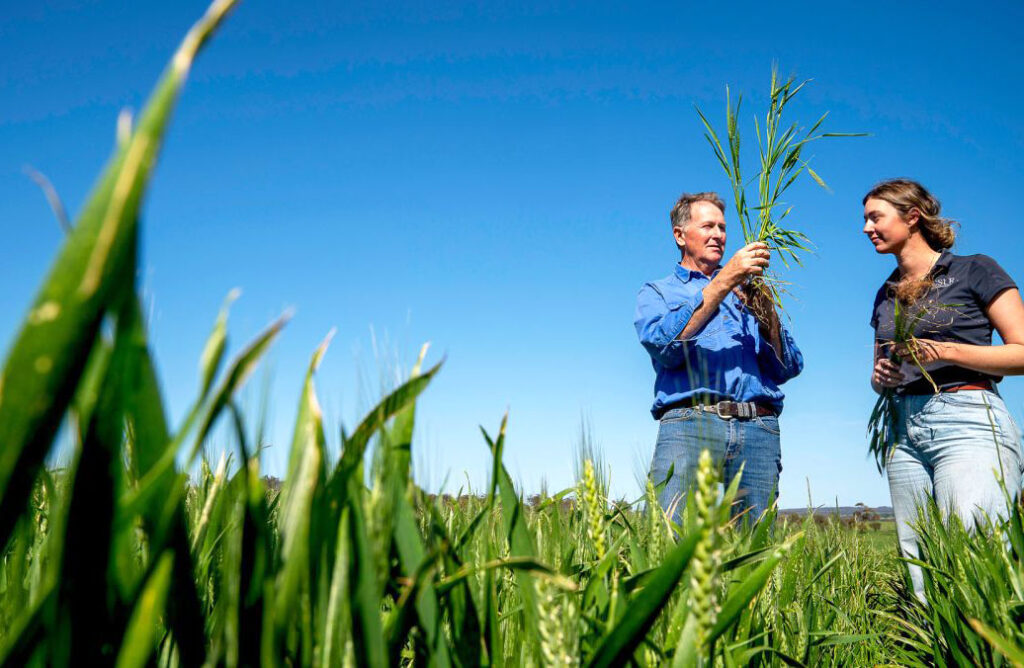
NSW and southern Queensland are rainfall dependent
In south-west New South Wales, the bank confirmed the Griffith region remains more variable, with a wide spread of planting dates and limited stored soil moisture following a dry summer. Early sown canola has been a standout where it received timely rain, with some crops flowering unusually early.
However, RaboResearch warns this region will need average to above-average spring rainfall to fully realise yield potential, as many crops remain reliant on in-crop rain rather than stored subsoil moisture.
“If the tap turns off, then it won’t be so pretty,” Vitor Pistoia further summarising the risk for rainfall-dependent areas. “If average to above-average rainfall arrives, those regions can still be looking very good towards the end of the season.”
In southern Queensland and northern New South Wales, late-May and early-June rainfall allowed seeding to be done within time, although rainfall volumes since have not been substantial.
RaboResearch indicaates as a result of the late May rainfall, there was a reduction in the number of paddocks under fallow, which eased the price pressure on grains markets in these parts of the country.
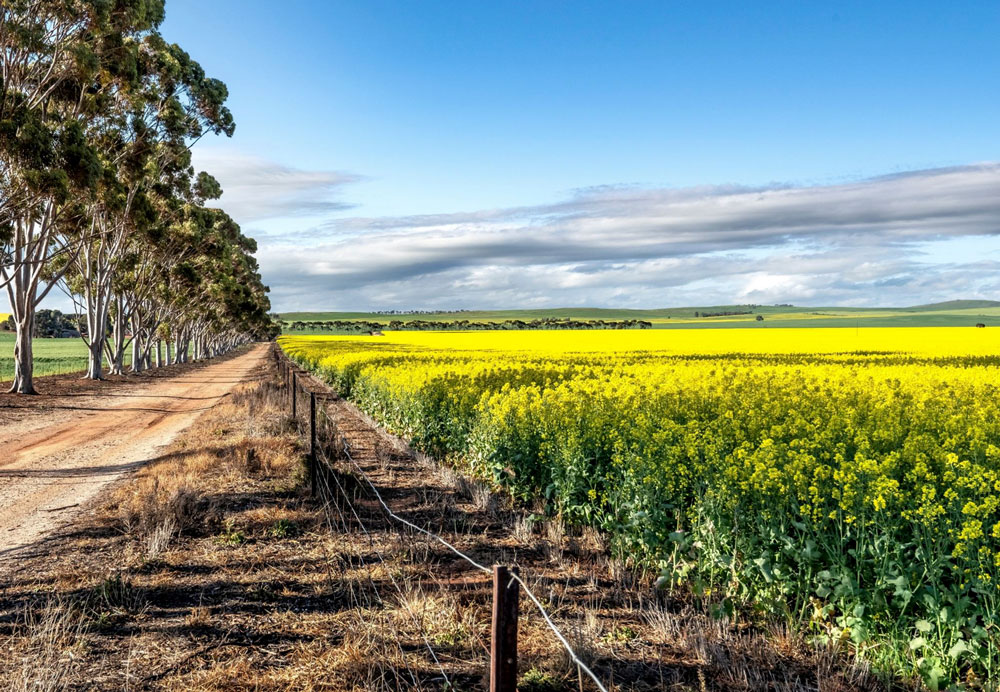
Big canola potential for WA but rainfall critical
Western Australia’s season is also broadly positive, with strong conditions in the mid-west, the far north of the grain belt and the Esperance region.
“Establishment has generally been good, although parts of the WA southern grain belt remain drier and would benefit from additional rainfall through August and September,” Vitor Pistoia offered.
Canola was a major feature of this year’s season in WA, with very large, planted area and the possibility of record supply if spring conditions support grain fill.
Some canola paddocks are developing unevenly after patchy germination, but the crop is established, and growers remain confident it can catch up, the bank confirmed.
“There is a lot of canola in Western Australia,” Vitor Pistoia outlined. “It is a record-high season for area and potentially could be a record-high season for total production.”
RaboResearch indicates average rainfall in August and September would be enough for many WA cropping regions to achieve solid yields, and potentially above-average yields in areas that had a strong start.

Bigger crop harvest may weigh on prices
The bank research indicates while the improved production outlook was a positive development for national supply, pricewise “the upside is more modest”.
Global wheat markets are already being pressured by robust northern hemisphere supply prospects, while canola remains better supported by oilseed and biofuel demand, it said.
Vitor Pistoia also confirmed the price outlook would be heavily influenced by how the crop finishes through August, September and early October, as well as what happens across the multiple ongoing conflicts worldwide.
“There is plenty of barley and canola also, and that will play heavily with the price outlook,” Vitor Pistoia added. “The major watch now is grain filling – if spring holds, growers can move from an early season below-average concern to a much more constructive production story.”