Growers face one of the driest seasons in recent years but at least 265,000 hectares is expected to be bedded down
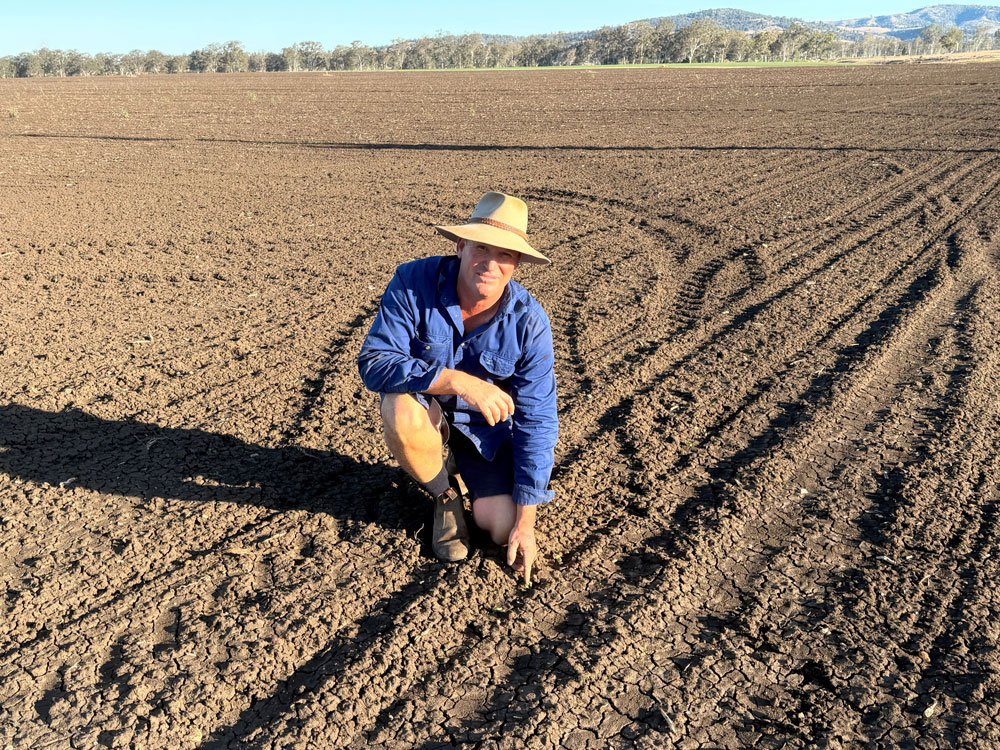
Most cotton growers will finalise their planting for the 2026-27 cotton crop following the October long weekend in New South Wales and Queensland.
This will wrap up the remaining quota following an early start to the season with several growing regions ahead of what is forecast by the Bureau of Meteorology to be a drier season.
Planting began in Queensland’s Central Highlands in early August, while growers in St George and the Brisbane Valley started in the past few weeks. They joined the early starters in Northern and Southern NSW that took advantage of the favourable conditions.
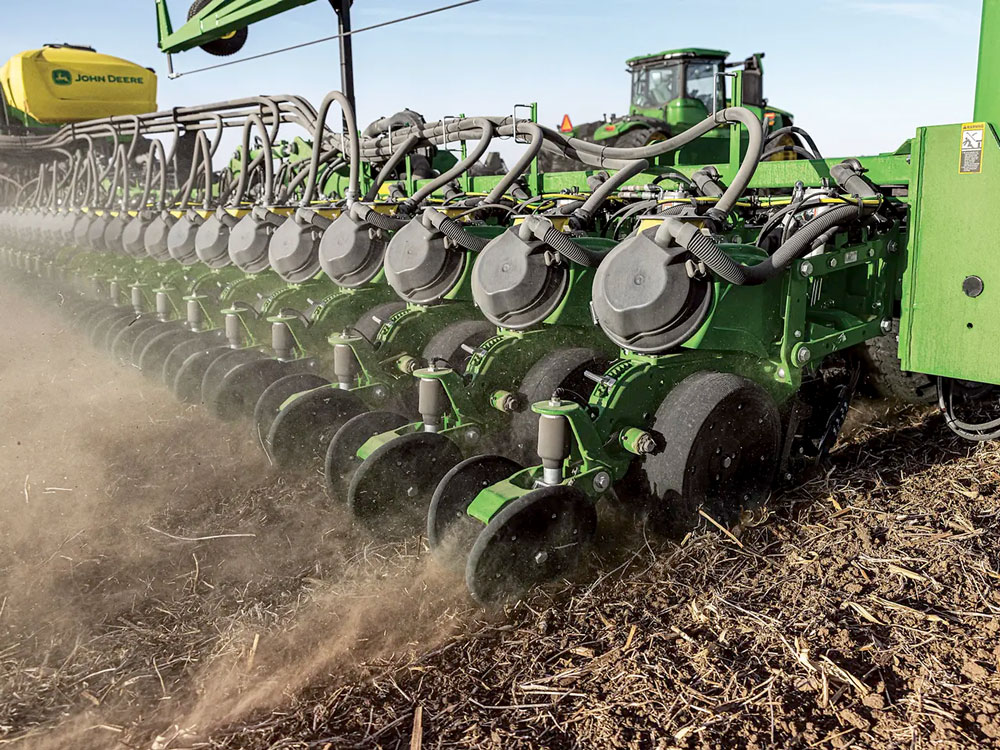
This year’s cotton crop is expected to be significantly smaller than last season as reduced water allocations and ongoing dry conditions limit planting opportunities across many cotton-growing regions.
Cotton Australia CEO Adam Kay said the current crop forecast is around 2.7 million bales, down from 4.5 million bales last year, with an estimated value of about $2.1 billion.
“This year we are expecting about 265,000 green hectares to be planted which is lower than the last few years,” CEO Adam Kay confirmed.
“While cotton prices remain relatively strong, access to water is the biggest driver of planting decisions this season.
“Most valleys are down on allocations this year following a dry winter and limited inflows into storages. As a result, growers are generally taking a more cautious approach to planting, and many are reducing their cotton area.”
The Macintyre Valley is expecting a significantly reduced crop, while growers across the Darling Downs, Gwydir, St George/Dirranbandi/Mungindi, Macquarie and Southern valleys are also facing lower water allocations than last season.
This will particularly impact the total dryland cropping area, which will be minimal in many regions unless significant rainfall arrives during the planting window.
Despite the challenging outlook, planting conditions have generally been favourable where water is available.
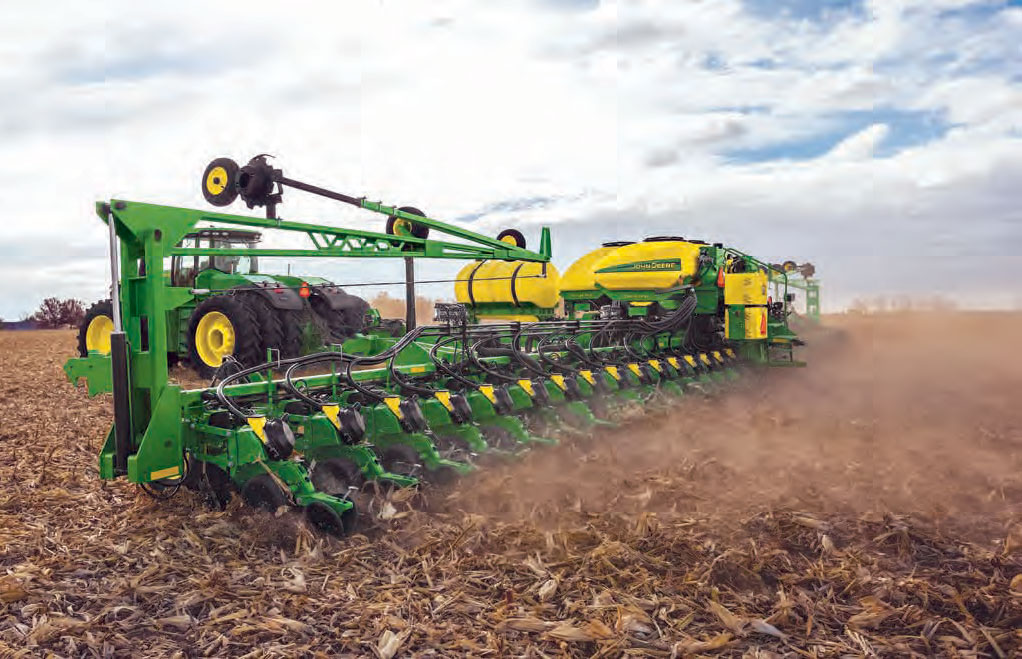
St George QLD grower Lucas Wuersching finished planting on 20 September and has been rewarded with cotton already coming out of the ground. He said the warm temperatures supported an early start.
“We’ve been trying to go earlier and earlier if the weather’s right, and this is a hot, dry year and the temperatures were good,” Lucas assured.
“Our theory for starting earlier is to use our water instead of letting it evaporate away and it puts us in a good window around harvest when there’s less chance of storms and cold weather which could delay defoliation.
“It’s been working really well for us the last couple of years.”
Lucas has planted about half the area grown last year and said there are many in the region who will be down more than that because of lower water availability.

“It’s looking like it’s going to be a dry season, although some people are saying it might break, so you never know,” Lucas added.
“This year we need our crop so we’re not pushing it. We’re going in expecting little to no rainfall and taking a more conservative approach than we might have done in the past.”
Many other growers in St George are currently planting, with most hoping to be finished by early October.
Brisbane Valley grower Wayne Keller is also in the middle of planting and, despite having full water allocations, is preparing for a dry season.
“I think we’re going to have to water more this season,” Wayne Keller contemplated.
“I planted dry and have had to water twice to get the crop out of the ground.”
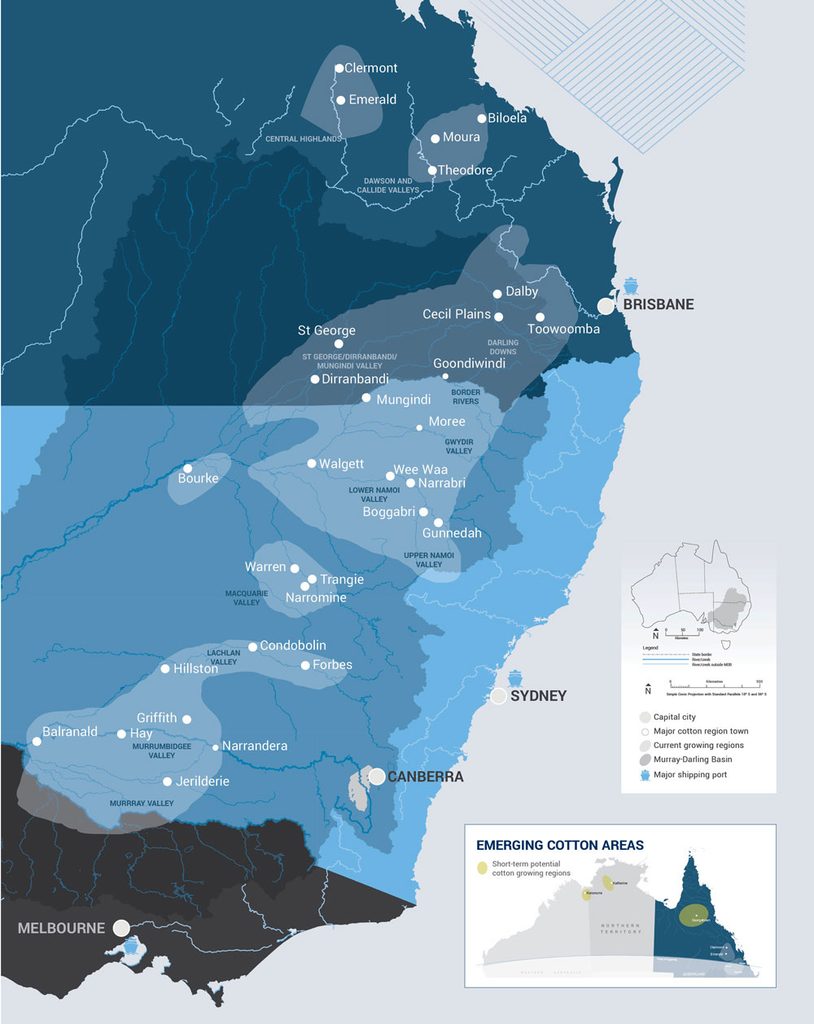
Meanwhile, in the far north of WA, picking is almost complete in the Ord where yields are promising and fibre quality is good, providing confidence for growers after another season of managing crops through Kimberley conditions.
Around 75,000 bales are expected to be processed at the Kununurra WA gin this season, with a further 10,000 to 15,000 bales of Ord cotton expected to go through the Katherine NT gin.
The start of planting coincides with World Cotton Day on 7 October, a global celebration recognising cotton’s contribution to livelihoods, innovation, trade and sustainable development.
In Australia, World Cotton Day provides an opportunity to celebrate the growers, communities and innovation behind our leading cotton industry.
Cotton Australia encourages growers and the wider community to get involved in the day by sharing positive stories, celebrating the people behind the fibre and showing how cotton is for good.
Related stories for the cotton industry – click on the link to access.
Cotton Grower of the Year maintains a family tradition
John Deere presents service to Cotton Industry Awards
Cotton growers apply precision planting for optimal emergence