Mid-season industry estimates point to a farmgate value of $99.4 billion for the current 2026-27 season
Despite predictions of one of the harshest El Niño events still in progress and the ongoing disruption of fertiliser and oil shipments, industry observers are confident of agricultural production reaching a $99.4 billion farmgate value in the current 2026-27 season.
All things considered, this would be an outstanding result from crop growers and livestock producers that have been laden with some of the most confusing issues outside seasonal condition concerns they have ever faced.
If the predicted returns are met, it will relate to a minor fall from the record farmgate value of $101.4 billion achieved last season and reflect slightly lower crop and livestock production and a decline from record livestock prices.
Since the shaky start to the 2026-27 season with an El Niño event looming and the 28 February bombardment of Iran by the US/Israel forces that stopped shipping of oil and fertiliser, there have been improvements to this year’s outlook as the season progressed.
Crop production in 2026-27 is expected to be supported by a wetter-than-expected winter in some growing regions, and a smaller than anticipated impact from the lower area of ground planted and yields that could have suffered from lack of and high fertiliser prices.
While the rainfall outlook for spring 2026 indicates large areas across eastern and southern parts of the country are expected to be drier than average, the advanced state of winter crops in the southeast and current stored soil moisture mean that crops will be less reliant on spring rainfall this winter season.
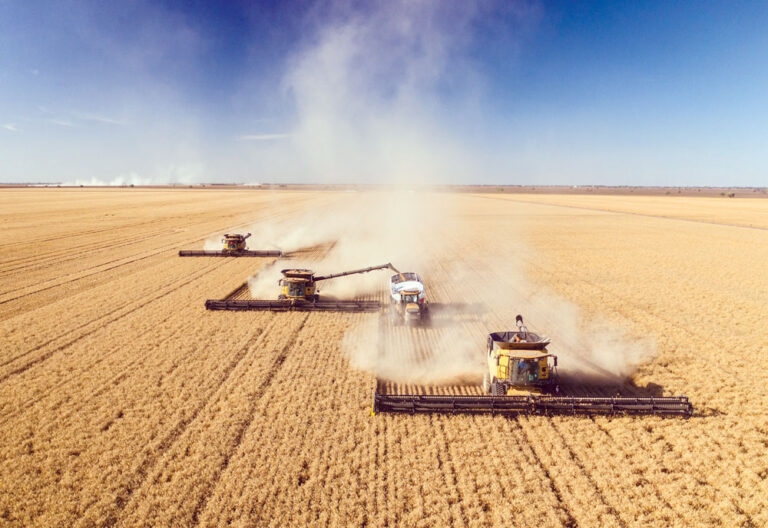
Estimates of total crop production value are forecast at a slight fall, around 6% to $51.9 billion in 2026-27, reflecting the combination of an expected fall in winter crop production in some part, offset by expected higher prices.
National winter crop production volume is expected to drop as much as 12% to 61 million tonnes, placing it as the fourth largest crop on record. Meanwhile, national summer crop production is where damage has occurred, with a forecast fall of 25% to 3.4 million tonnes in 2026-27, 11% below the 10-year average.
Conditions for winter crops have been very favourable in South Australia, Victoria and southern New South Wales. And grower success in those regions is expected to offset expected average yields in Western Australia and poor seasonal conditions in northern New South Wales and Queensland.
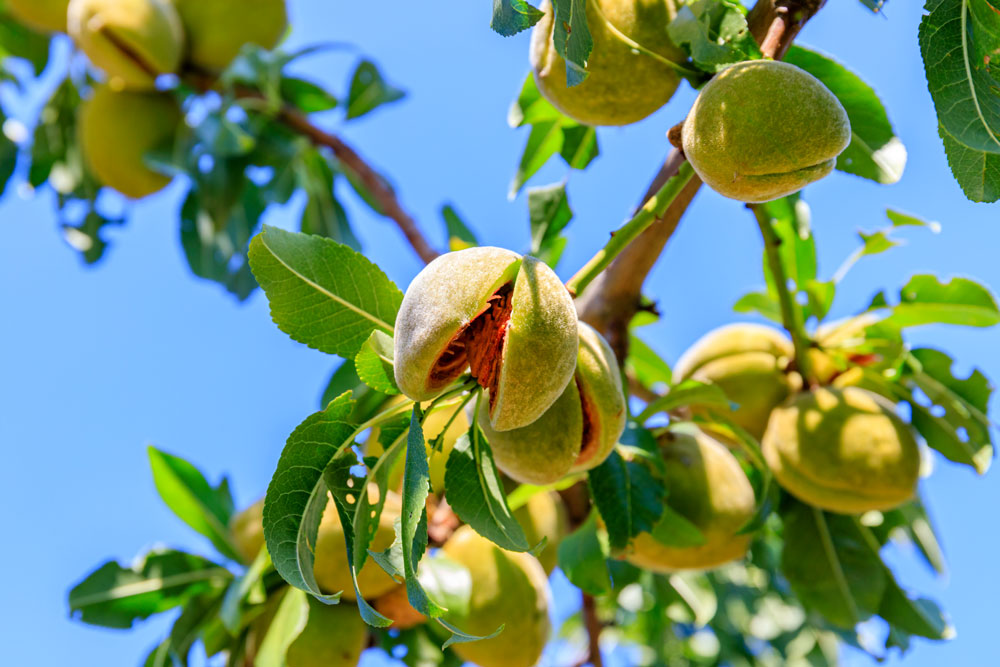
Other growers were hit or miss
Growers of horticulture produce have kept their upward momentum as production value is expected to increase marginally to $18.8 billion for season 2026-27, with slightly higher prices more than offsetting lower production volume.
Increased production volume of export-oriented produce is expected to be more than offset by lower domestic production of fresh fruit and vegetables.
And it’s also notable that cane growers are sitting on a higher sugarcane value, up by $126 million over last season.
However, in the minus column is cotton, down $722 million and wine grapes value is estimated down $33 million, driving a fall in industrial crop value.
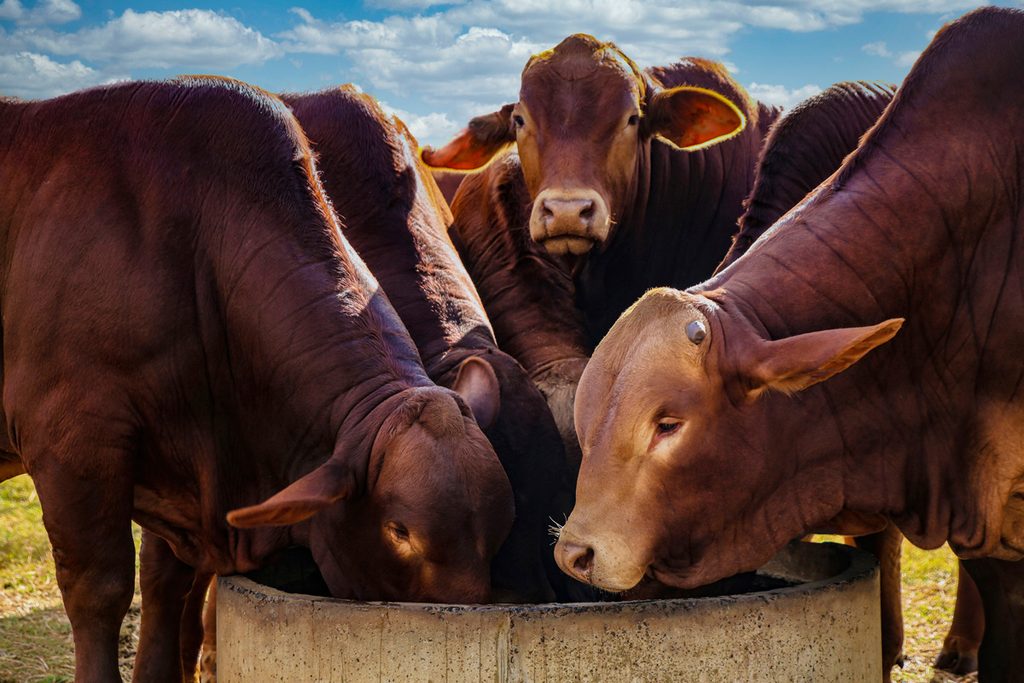
Livestock comes off record result
Livestock and livestock product gross value reached a $48.5 billion record last year, so a slight fall to $47.5 billion in the current 2026-27 season is still a good overall result.
Part of the corrected fall lies in a lower value of cattle, sheep and pig slaughter, and that is expected to outweigh increases in the value of milk, wool and poultry.
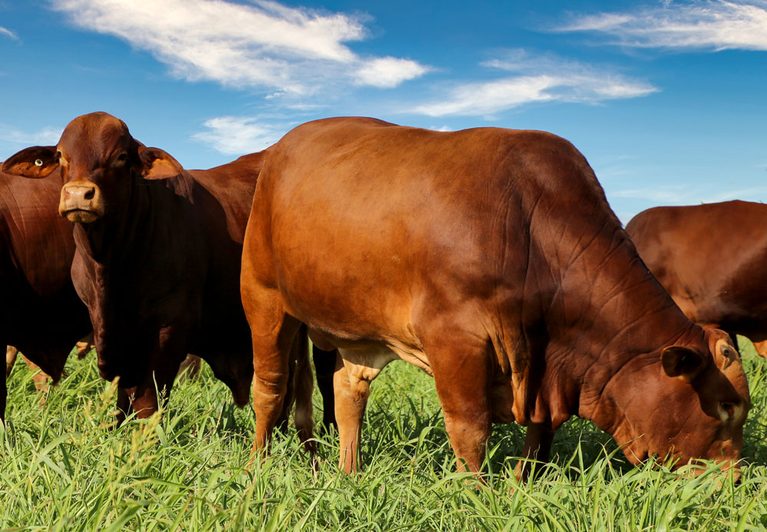
Looking closer at the changes from the record last year, cattle and calves are expected to be down 9% to $21.5 billion, driven by expected lower prices and lower production volume. •
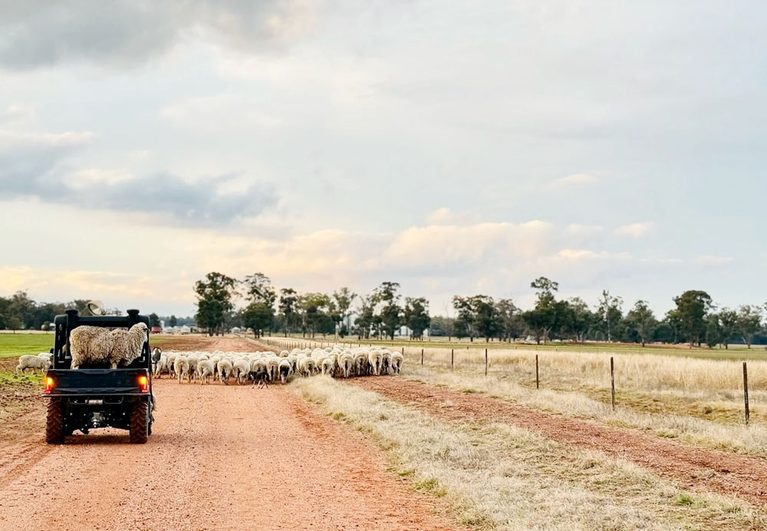
While the small drop in lamb and sheep down 3% to $6.8 billion, this was balanced with increased lamb production more than offset by lower mutton production and lower prices for both lamb and mutton.
Other gains are expected from milk, up 2% to $6.3 billion, and wool, up 16% to $3.4 billion, being driven by higher prices for both products more than offsetting lower production.
Pigs, poultry and eggs are expected to be up 2% to $7.8 billion, with lower pig value more than offset by a higher value of poultry production, driven by strong domestic demand.
Rainfall could deflect threat of hotter conditions
Everyone is expecting to reach a prosperous winter harvest in season 2026-27 based on the forecast of above-average conditions for spring 2026 in the northwest, while variable conditions are expected in the east and south, despite a strong El Niño still active.
And while the level of rainfall received during spring will be crucial for grain-filling and yield-determining stages of winter crops, in some regions with lower levels of soil moisture it will also be important for pasture growth rates during a peak production period.
Growers in NSW and Queensland will also be looking to the clouds to determine successful planting of dryland summer crops.
The rainfall outlook for September to November 2026 indicates that above median rainfall is more likely across north-western and central areas of the country.

In contrast, large areas of eastern and southern Australia are expected to receive below median rainfall, with the probability below 40% of exceeding median rain in these areas.
Across cropping regions, the chance of receiving above median rainfall is 30 to 80% in Western Australia, with higher chances in northern regions.
Cropping regions in Victoria, southern New South Wales and South Australia are estimated to have a 20 to 40% chance of above median rainfall, with northern New South Wales and Queensland cropping regions having a 25 to 55% chance of above median rainfall.
While there is not a high chance of exceeding median falls across much of the southeast, favourable winter conditions have been recorded in these areas.
This means that if forecast spring rainfall totals are realised, it will support predictions of above average winter crop yields in New South Wales, Victoria and South Australia and close to average yield expectations in Western Australia.
However, the close to median rainfall forecast across most cropping regions in Queensland is likely to arrive too late to improve below average winter crop production outcomes.