Higher fertiliser costs are pushing growers to reduce application rates and shift towards less nitrogen-intensive plantings

Growers have moved beyond acute fertiliser supply concerns that emerged for the winter plantings earlier this year, and many are working out crop rotations that can avoid high-price inputs.
Any crop planning should consider that high input costs are here to stay and continue weighing on fertiliser demand through to 2027 as global fertiliser markets feel the effects of disruption to shipping flows through the Strait of Hormuz.
This continuing shortage is backed up with findings by the specialist agribusiness bank, Rabobank, in a just-released global fertiliser report.
The research confirms many farm operations have been quick to change planting rotations to avoid high fertiliser prices and supply risks.
“The Australian fertiliser market has shifted from a period of acute supply concerns towards a more balanced supply situation,” Rabobank senior analyst Vitor Pistoia confirmed. “However, affordability remains a significant challenge, with fertiliser prices having risen much faster than key agricultural commodity prices.”

Growers on the winter planting front line were faced with urea prices reaching AU$1,500 per tonne at the height of the Middle East disruption, almost double what they would expect to be paid.
It may not be the issue of supply as much as price that has deterred many growers, as 2.92 million tonnes of urea have been imported since November 2025, only around 15% below previous averages, indicating supply shortages have been largely avoided up until now.
Lower fertiliser demand this season reflects growers reducing application rates, changing crop rotations and shifting towards less nitrogen-intensive production systems in response to higher costs.
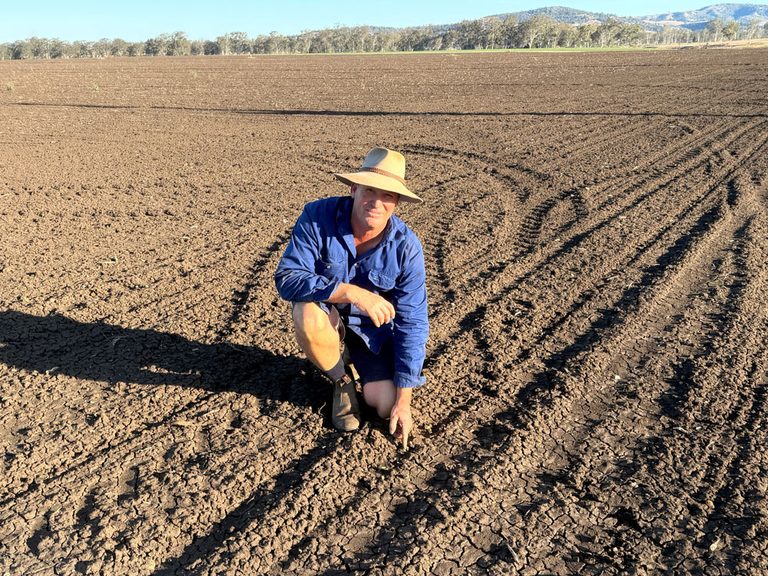
In addition, a late seasonal break across northern New South Wales and southern Queensland expanded winter fallow areas and reduced fertiliser requirements.
The report confirms seasonal conditions will now become a key determinant of demand, particularly for summer crop plantings where subsoil moisture remains inadequate across many eastern state summer-cropping regions.

Fertiliser markets
At a global level, RaboResearch says fertiliser affordability remains negative across all major global agricultural regions despite some improvement from the lows experienced earlier in the year.
Phosphate fertilisers are presenting the greatest challenge, with affordability remaining particularly poor due to ongoing supply constraints and elevated production costs.
A near-40% year-on-year decline in global sulphur exports during the first half of 2026 has pushed sulphur prices to record levels, driving up phosphate production costs and keeping phosphate fertiliser prices elevated.
Nitrogen markets are showing signs of gradual improvement, with urea prices easing from the peaks recorded immediately after Middle East tensions escalated, although market volatility remains high. With global urea demand expected to decline by around 5% this year before recovering as affordability slowly improves.
Potash remains the most stable of the major nutrients, and while affordability has weakened slightly, global supply has been less affected by geopolitical disruption. Potash demand is expected to remain relatively stable compared with 2025.

Global outlook
The report suggests growers should closely monitor developments in global grain and oilseed markets. While geopolitical tensions, shipping disruptions and weather risks continue to create uncertainty, global crop inventories remain historically high, leaving markets better able to absorb supply or demand shocks.
And while production and stocks of key global crops – including wheat, corn and rice – is expected to decline slightly in 2026, stock supplies remain at a comfortable level by historical standards.
According to the report’s author, Rabobank senior analyst Vitor Pistoia, “Combined grain and oilseed stocks are forecast to fall to their lowest level since 2022-23, but the market remains considerably better supplied than during previous periods of extreme price volatility.”
The report concludes the main risks for international agricultural markets over the next six to 12 months include El Niño’s impact on global crop production, rising farm input costs, and ongoing export challenges from the Black Sea region. These factors could support commodity prices towards the upper end of recent trading ranges.