Early estimate of likely summer crop prospects is very subdued at this stage of pre-season planting

While it’s early days to start looking at summer crop production prospects, there are some fundamental decisions growers will have to make on how they intend to tackle the season.
Industry analysts are taking a very conservative approach, with the main consideration being dry conditions emanating from the current El Niño event in progress.
The Bureau has confirmed a strong El Niño is firmly established, with a forecast to reach levels above the warmest observed since reliable records began in 1950.
Concerns have been raised that this is the fastest developing El Niño on record. With further intensification likely during spring, and given its current strength, this event is expected to persist into autumn 2027.
Catch the latest long-range forecast here.
Family farm operations will have someone on hand who remembers the dry weather that set in during a previous El Niño event in autumn 1982 in the eastern states. Weather patterns shifted quickly to a stage where rainfall effectively ceased.
Farmers were stuck with a 12-month drought that cut both the winter and summer crop harvests by almost half in season 1982-83.
During that dry spell, record-low rainfall persisted for almost 12 months, officially from April 1982 until March 1983, across most of the eastern states and the severe drought brought with it some infamous bushfires that wrought devastation.

With that in mind, the pre-season forecast is for a reduction in ground planted to summer crops in 2026-27, with an estimated fall, compared to last year, of 17% to 1.1 million hectares.
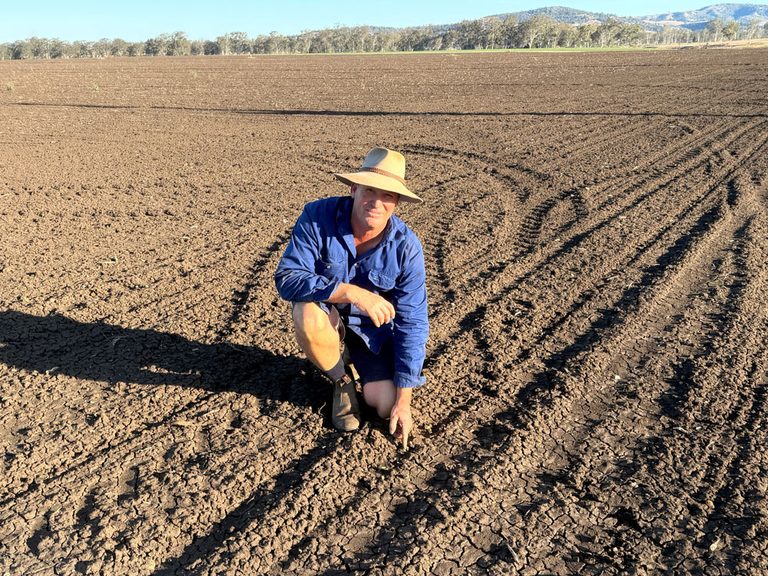
Below-average soil moisture levels are driving the expected fall in late winter, low irrigation water availability and a relatively neutral chance of exceeding above-average spring rainfall across key summer cropping regions.
As a result, summer crop production is forecast to fall by 25% in 2026-27, when compared to last year, to 3.4 million tonnes, 11% below the 10-year average to 2025-26.
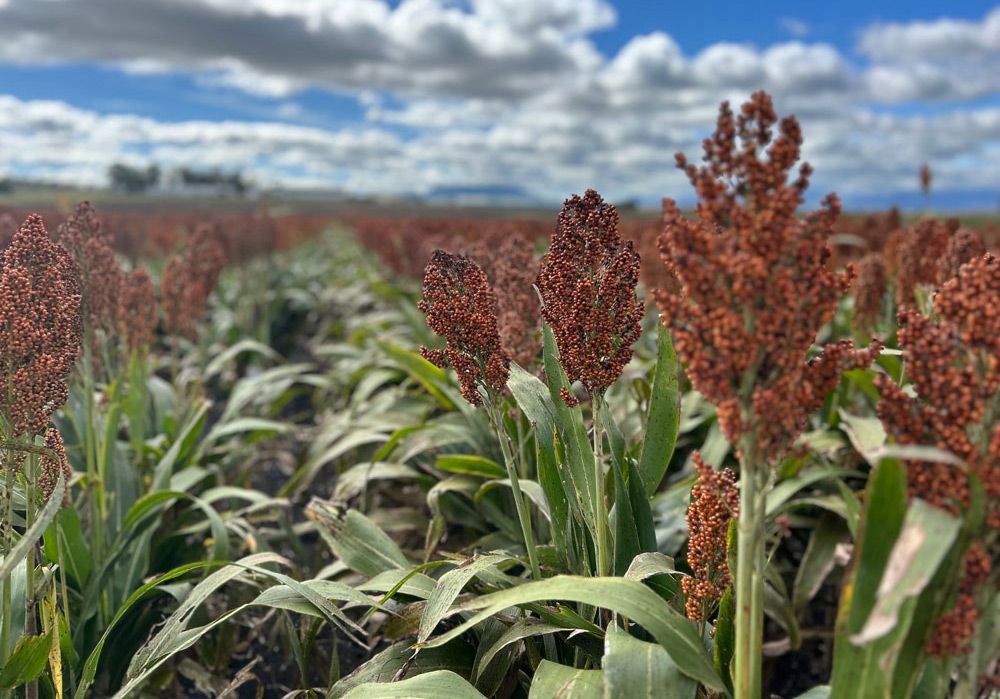
Sorghum production is forecast to fall by 26% to just over 1.9 million tonnes in 2026-27. With the area planted to sorghum is forecast to fall slightly by 9% to 592,000 hectares but remain 12% above the 10-year average to 2025-26.
The expected fall in area planted reflects below-average soil moisture and expected dry conditions in the lead-up to the planting window.
If rainfall is better than expected, there is potential for the area planted to be higher, with the benefit of a significant amount of fallow area available in major cropping regions where winter crops were not planted.
Cotton lint production is forecast to fall by 34% to 679 thousand tonnes in 2026-27, reflecting a reduction in planted area and lower yields.
The area planted to cotton is forecast to fall by 34% to 301 thousand hectares in 2026-27, largely reflecting decreased availability of irrigation water and dry seasonal conditions.
Rice production is forecast to fall by 22% to just 139 thousand tonnes in 2026-27, driven by a further fall in the area planted from the previous season’s low level.
Low water availability across the Murray-Darling basin has resulted in an increase in the price of irrigation water, which is expected to constrain the area planted to rice.

Summer crop production by state
New South Wales
Summer crop production in New South Wales in 2026-27 is forecast to fall 28% to 1.6 million tonnes, 21% below the 10-year average to 2025-26.
The expected fall in production reflects below-average soil moisture in key northern cropping regions and low irrigation water availability.
At this early stage, yields are not expected to be as high as the levels seen in 2025-26 for most summer crops.
The area planted to Sorghum is forecast to fall by 5% to 190 thousand hectares. While production is forecast to fall by 29% to 600 thousand tonnes in 2026-27, 5% above the 10-year average to 2025-26.
Low soil moisture during winter crop sowing has meant that many growers in sorghum growing regions left paddocks fallow over winter.
If spring rainfall is better than expected, it is possible that those growers who didn’t plant a winter crop will plant sorghum. At this early stage, average yields are forecast to be below last season.
Cotton lint production is estimated to fall by 40% to 389 thousand tonnes in 2026-27, largely reflecting lower area planted to cotton.
Low carryover water from 2025-26 and below-average allocations are expected to drive lower irrigated planting.
Dryland planting is also expected to fall to well below average, reflecting low levels of soil moisture in key cotton growing regions in northern New South Wales.
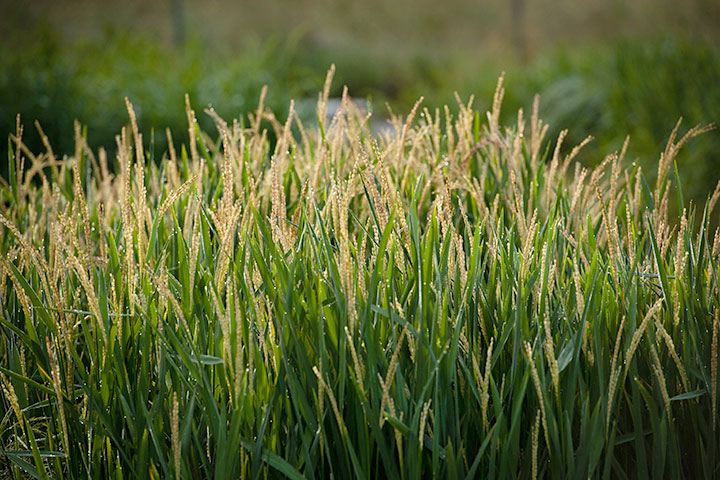
Rice production is estimated to fall by 22% to 137 thousand tonnes in 2026-27, driven by an 18% decrease in the area planted.
Ongoing dry conditions have resulted in a decline in water availability across the southern Murray-Darling basin and an increase in the price of irrigated water, which is likely to constrain the area planted to rice.
A pre-season summary of crops expected to be sown down in NSW includes grain sorghum across 190,000 hectares, with production estimated at 600,000 tonnes. And cotton lint and seed are expected across 171,000 hectares to produce 389,000 tonnes of lint and 446,000 tonnes of seed, respectively.
Queensland
Summer crop production in Queensland is forecast to fall by 24% to 1.7 million tonnes in 2026-27. This is 2% below the 10-year average to 2025-26.
Downward pressure is a result of limited stored soil moisture and an average-to-below-average rainfall outlook for spring across most of Queensland, which is expected to limit planting intentions.
At this pre-season stage, yields are expected to fall for most summer crops to around 10-year average levels.
Sorghum production is forecast to fall by 25% to 1.3 million tonnes in 2026-27, reflecting lower area planted and yields.
Expected falls in area planted largely reflect limited stored soil moisture and the reduced chance that this will be replenished prior to planting.
However, the sorghum planting window in Queensland is quite wide, so there is a chance that a late plant could go in if sufficient rainfall is received.
Cotton lint production is forecast to fall by 27% to 254 thousand tonnes in 2026-27, driven by a fall in planted area and lower yields.
The area planted to cotton is forecast to fall by 25% to 108 thousand hectares in 2026-27, 27% below the 10-year average to 2025-26.
This reflects reduced irrigation water availability for irrigated cotton, limited stored soil moisture and an unfavourable spring rainfall outlook for dryland production.
Early pre-season estimates of crops sown in QLD imply expectations of grain sorghum across 400,000 hectares, with production estimated at 1.3 million tonnes. And cotton lint and seed are expected across 108,000 hectares to produce 254,000 tonnes of lint and 291,000 tonnes of seed, respectively.