With returns 17% above the 10-year average growers in New South Wales, Queensland and Western Australia are sitting in the box seats

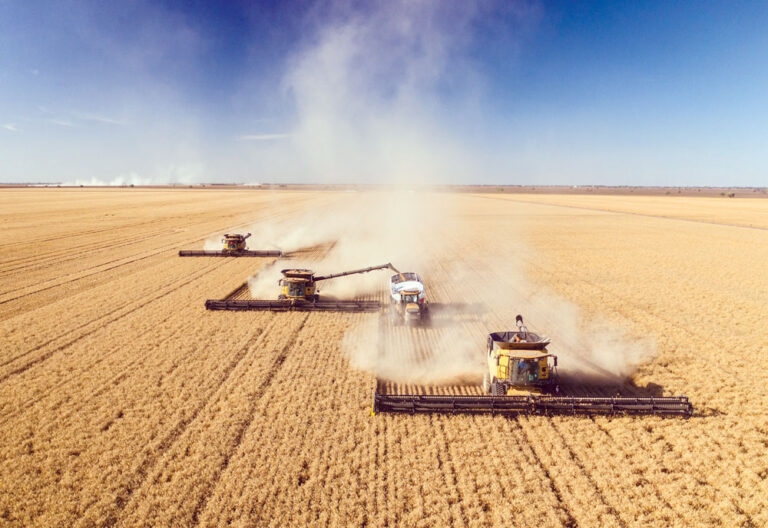
With the 2024-25 winter crop still nestled safely within the bosom of fertile soil and receiving timely rainfall it is expected the main growing regions will provide a harvest result in excess of 55 million tonnes, a positive 17% margin over the 10-year average.
If achieved, this result would be the fifth highest on record and will finally dispel dry season El Nino conditions that plagued some states last year into the annals of history.
And while production is forecast to increase overall, varying seasonal conditions across the country have impacted expectations on state-by-state outlooks.
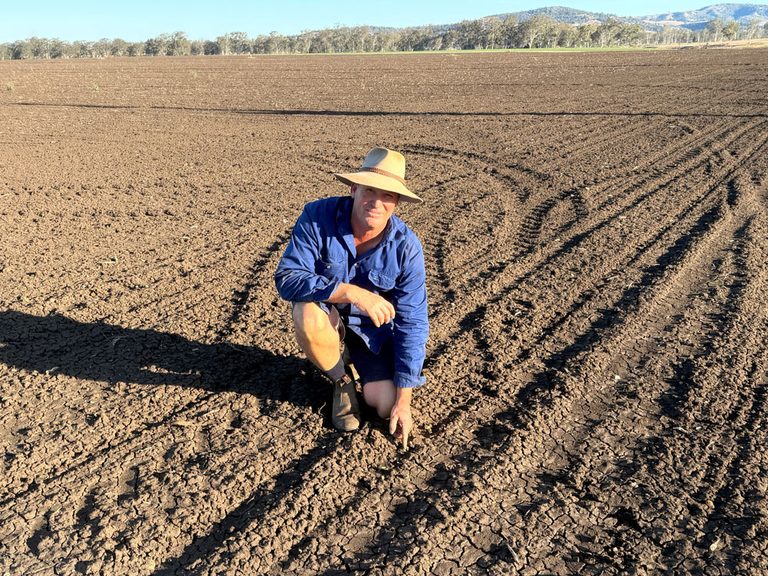
Take for instance New South Wales and Queensland, both coming off a disastrous result last year to be touting expectations of near-record harvest levels for winter season 2024-25.
This prediction is based on the solid yield potential heading into spring following a strong start to the winter cropping season and above-average rainfall in their most reliable cropping regions.
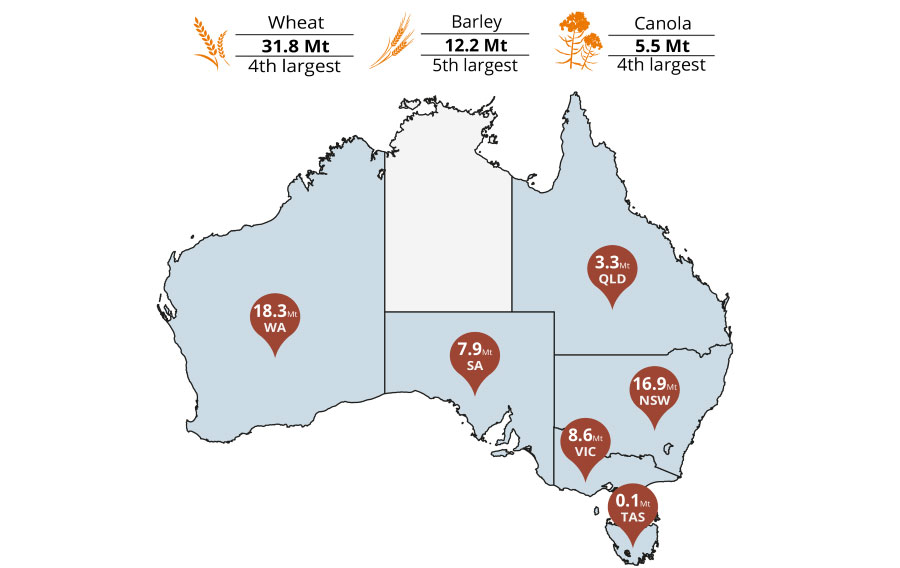
Add to that result the much-improved seasonal conditions in Western Australia with expectations of boosted production, with the winter crop harvest now expected to be above average.
This is despite a dry start to the season when not everything was so rosy, but since then winter crops have developed well boosted by timely winter rainfall, particularly across northern and western cropping regions.
By contrast to NSW, QLD and WA, production prospects are lower in South Australia and Victoria.
Planting and establishment conditions were unfavourably dry across major cropping regions in South Australia and to a lesser extent some parts of Victoria.
Dry conditions throughout the season have led to moisture stress with winter crop yield prospects in South Australia in particular forecast to be keeping growers awake at night with a below-average harvest expected.
Rainfall on the side of most growers
According to the latest three-month rainfall outlook from September to November 2024 issued by the Bureau of Meteorology (The Bureau) there are roughly equal chances of higher or lower-than-average spring rainfall across most cropping regions.
While a more definite forecast has been issues for New South Wales and Queensland growing regions, with a higher chance that spring rainfall will be average to above average.
Daytime temperatures during spring are expected to be above average across cropping regions in all states except Western Australia.
Most areas with average or better soil moisture levels are likely to receive enough rainfall to support winter crops through critical development stages.
However, the increased chance of warmer spring conditions presents a potential downside risk for winter crops that are already experiencing moisture stress – particularly in cropping regions of South Australia, Victoria and southern New South Wales where root zone soil moisture levels in August were below average.

Crop varieties expected to fare best
Wheat growers have made a comeback when compared to last year with production expected to increase by 23% to 31.8 million tonnes for the 2024-25 winter harvest. That places wheat at 20% above the 10-year average.
Barley is expected to be another strong performing crop with expected to increase by 13% over last year, to reach 12.2 million tonnes in 2024–25. If achieved this will be a solid 7% above the 10-year average.
Meanwhile, canola production is expected to take a hit when compared with last year, by an expected fall of 8% to 5.5 million tonnes in 2024–25. Driven mainly by a forecast year-on-year decrease in total area planted.
The area planted however is still above the 10-year average resulting in expected canola production remaining 22% above the 10-year average.
Lentils have attracted new devotees with the result that production is forecast to increase by 7% to 1.7 million tonnes in 2024-25. This is more than double the 10-year average to 2023–24, with the expansion in area planted to lentils expected to more than offset lower yields.
With the comeback of Queensland growers, it also means Chickpea harvest expectations have improved, with a forecast increase of 171% to 1.3 million tonnes in 2024-25, 70% above the 10-year average.
This expected result reflects a significant expansion in area planted and possibly high yields in New South Wales and Queensland, following early plantings under favourable conditions. If realised, this will be the second-highest chickpea harvest on record.
Overall, the area planted for winter crops in 2024-25 has increased by 5% over last year to 24 million hectares.
This is slightly below the record highs of 2020-21 and 2021-22 but slots in nicely at 9% above the 10-year average to 2023-24. The increase is driven by a greater area planted to winter crops in New South Wales, up 17%, and Queensland up by 34%. All due to improved planting and growing conditions in both states.