Disruption to supply in the northern hemisphere has focused grain buyers on our winter harvest for shipping security

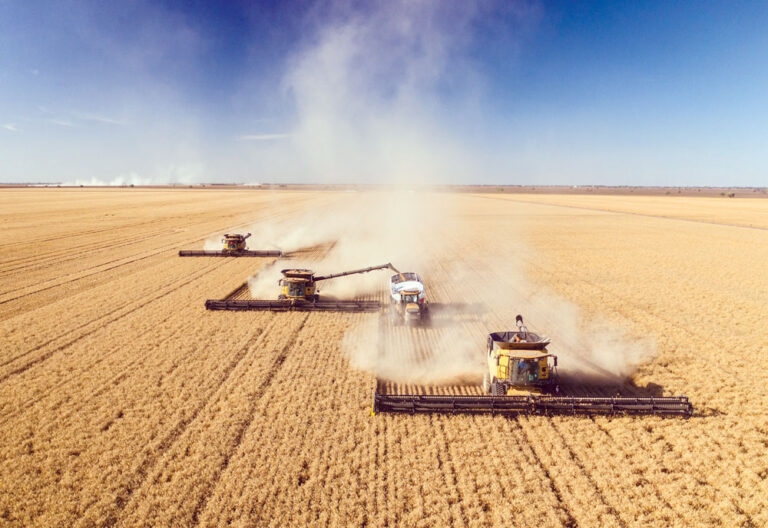
With 30.0 million tonnes of wheat expected to be reaped at the 2026-27 winter harvest currently underway, growers are in the box seat to have a big slice of the haul sent overseas at high prices.
Early predictions were for at least 21.0 million tonnes of the winter wheat harvest to be exported, but as prices begin to increase from overseas competition it may well be a record sell-off including most of existing stored grain as well.
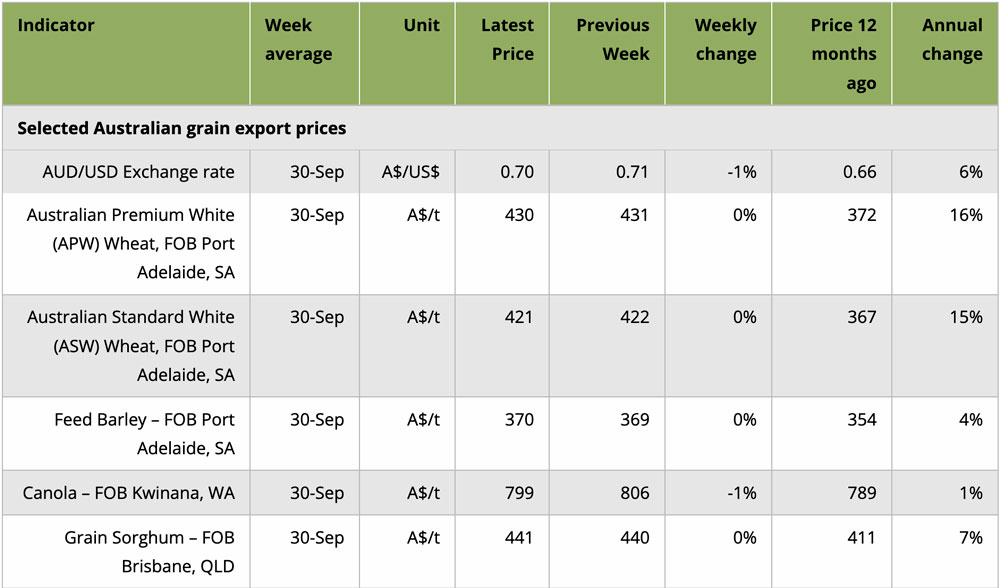
Even prior to the winter wheat crop being harvested and available for export, the futures market has jumped a cog or two for export quality Premium White (APW) Wheat from AU$ 372/tonne early in the season to a current rising level of a AU$430/tonne range.

And while the export market price is expected to rise further, no-one is suggesting the same forces are in place to match the AU$520/tonne achieved for Premium White in the 2022-23 season at the height of tight global supply due to the Ukraine/Russia conflict. But records are made to be broken.
A very likely scenario of strong competition for Aussie grown wheat has been further backed up through extensive research by RaboResearch senior grains and oilseeds analyst Vitor Pistoia who confirms the market was pricing the reliability of grain flows rather than an outright shortage of wheat.
“The world is not short of wheat. The challenge is getting grain to buyers reliably and at an acceptable cost,” Vitor Pistoia added. “Current wheat prices reflect geopolitical risk and supply-chain disruption more than supply scarcity.”

World market disruptors
RaboResearch indicates local port prices are expected to broadly track movements in international markets and could remain well supported while export disruption persists. However, the caution here is that some of the current premium could disappear if geopolitical conditions improve.
“Markets remain highly sensitive to overseas military and diplomatic developments,” Vitor Pistoia explained. “If we see a ceasefire, a new export agreement or a restoration of Black Sea export capacity, part of the current risk premium could unwind relatively quickly.”
While Russia and Ukraine harvested strong wheat crops in 2026, their combined production estimated at around three per cent above the five-year average and unchanged year on year. However, disruption to export infrastructure and shipping routes is expected to have reduced wheat exports from the region by approximately seven million tonnes between July and September compared with typical levels.
The expected reduction is nearly 50% below normal export volumes for the period and equivalent to about four per cent of annual global wheat trade. While significant, it does not though constitute a global wheat shortage.
“What we are seeing in wheat prices is a risk premium rather than an outright wheat shortage,” Vitor Pistoia confirmed.
“Disruption to ports, vessels and shipping routes has reduced export reliability and increased freight and insurance costs. Grain is still being produced. The challenge is moving it.”

Australia has a shipping edge
For Aussie growers, disruption to the Red Sea and other major shipping routes could improve the relative competitiveness of local grain exports, particularly into Asian markets, the research indicates.
“Australia is well positioned in key Asian export markets compared with northern hemisphere exporters facing longer and potentially more disrupted shipping routes,” Vitor Pistoia assured.
“Indicative sailing times to Indonesia are around eight days from the west coast and about 10 days from the east coast. Grain shipped from France or the Black Sea via the Cape of Good Hope can take around 40 days. That freight advantage becomes increasingly valuable when global shipping networks are under pressure.”
Fertiliser supply concerns
While wheat prices have strengthened, current industry red flags warn that production costs remain a major concern. Disruption affecting the Strait of Hormuz, the Red Sea and the broader Middle East is influencing energy markets, fuel costs, freight and fertiliser supply chains.
“For Australian growers, stronger grain prices are welcome, but higher input costs continue to erode margins,” Vitor Pistoia lamented.
“Diesel, fertiliser and freight costs are being affected by many of the same geopolitical pressures supporting grain prices. In some cases, production in-put costs have risen more sharply than wheat prices.”

It is generally accepted diesel typically accounts for around four to six per cent of on-paddock operating costs, while continuity of supply can be more important operationally than its share of total costs.
Fertiliser presents the larger planning and profitability risk because procurement decisions often need to be made months ahead and fertiliser is frequently the largest variable cost in wheat production.
“Typical diesel lead times are around 30 to 40 days, while fertiliser deliveries can take several months,” Vitor Pistoia added. “That means fertiliser presents a much larger planning and budget risk for growers.”
El Niño threat
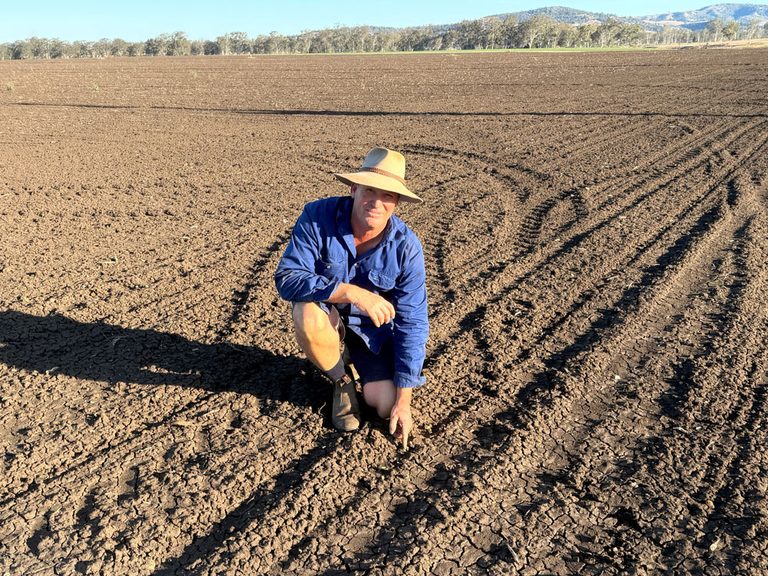
RaboResearch also identifies weather as an increasingly important factor beyond the current season. While the impact of El Niño on the 2026-27 crop is expected to be limited, the larger risk is for eastern Australian grain production in 2027-28 if the event contributes to lower winter rainfall and reduced yields.
Reduced production in the eastern states could support national grain prices and shift a greater share of export activity towards Western Australia and South Australia.
Growers would be focussing on managing both grain-marketing opportunities and input-procurement risks in what is likely to remain a volatile global environment.
“Positive margins can still be achieved during periods of elevated costs, as we have seen previously,” Vitor Pistoia assured.
“The challenge for growers is managing the timing, volatility and scale of both wheat-price and input-cost movements. The opportunities are there, but disciplined risk management will be critical,” Vitor Pistoia concluded.
How export grain prices are tracking