Rural Bank’s agriculture forecast for 2023 provides an in-depth perspective on supply, demand, and price outlooks for local agricultural sectors

Strong production is forecast across most agricultural commodity sectors over the first six months of 2023, according to Rural Bank’s research into our major agricultural income sectors.
And even though demand is expected to remain volatile at both a global and domestic level, local exporters will continue to benefit from an increasingly diverse range of export markets.
Agricultural commodity prices are expected to remain broadly above historical averages over the first six months of 2023, though strong production volumes could begin to weigh down the value as the year progresses.
A combination of strong production estimates and high commodity prices counterbalanced by quality issues, global economic challenges, and high production costs, will result in a more mixed outlook for local agriculture as the first half of 2023 unfolds.
The make or breaks heading into 2023
Our localagricultural industry navigated a range of challenges through the end of 2022 as damaging rainfall and flooding events on the east coast brought about by a third consecutive La Niña impacted producers across a range of agricultural sectors.
Because of this scenario the industry is facing a mixed outlook heading into the first half of 2023 following bumper record seasons over the past three years.
There are three key themes highlighted in the Rural Bank report that will impact local agriculture in the first half of 2023 – seasonal conditions, trade conditions and global economic headwinds.
Current forecasts from the Bureau of Meteorology (BOM) indicate a return closer to average weather conditions heading into the first half of 2023 with the current La Niña and positive Indian Ocean Dipole expected to dissipate by February 2023.
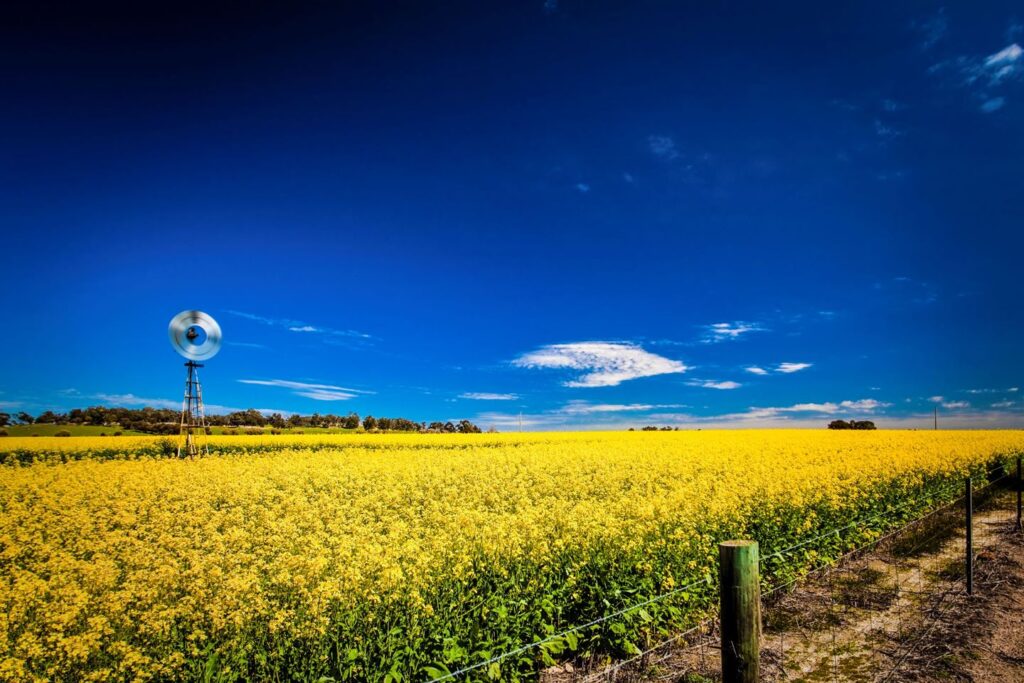
Wetter than average conditions across much of the country have again driven above average cropping production for the 2022-23 season, though substantial rainfall and flooding events on the east coast have impacted quality.
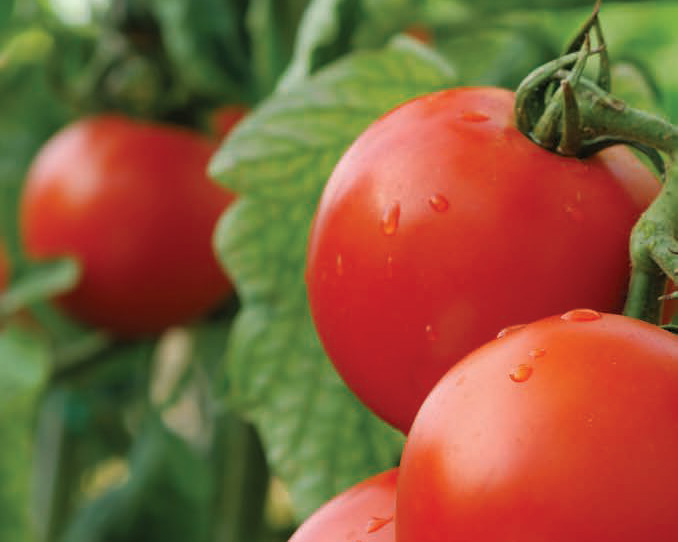
Horticulture production forecasts also remain above average despite key production regions in Victoria having been affected by excessive rainfall with seasonal vegetable planting also impacted.
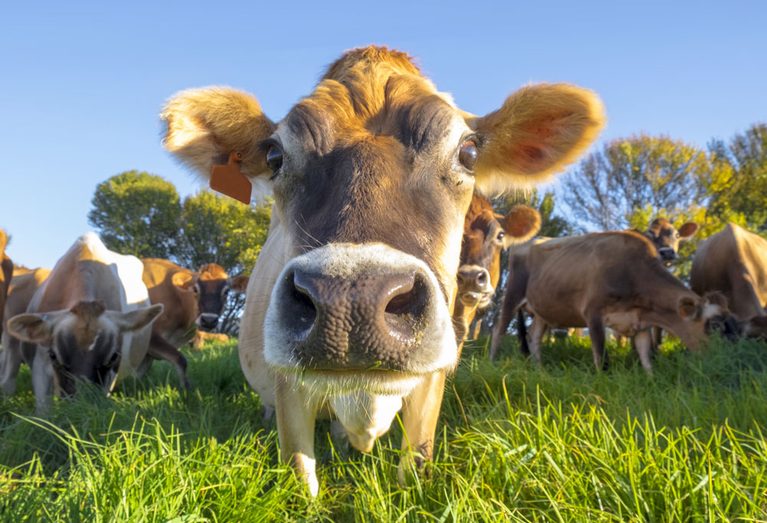
Livestock producers are expected to see increased lamb and calf numbers following the rebuilding of the national sheep flock and cattle herd over the past two years.
As a result, increased beef, lamb, and wool production is forecast for the first half of 2023, this increased output is a key factor driving lower price forecasts.
Trade conditions are expected to improve in 2023, but challenges will remain.
Global freight rates and container shortages are forecast to continue easing as a slowdown in economic activity softens freight demand.
Australian exporters will also continue benefiting from an increasingly diverse range of export markets.
The Australia-India Economic Cooperation and Trade Agreement (AI-ECTA) is expected to come into effect in early 2023 with sheepmeat, almond, wool, lentil, and wine producers to see the largest benefits from improved access to the Indian market.
Likewise, the Australia-United Kingdom Free Trade Agreement (A-UKFTA) will also provide benefits once it takes effect later in 2023.
Russia’s ongoing invasion of Ukraine is expected to continue driving volatility across grain and oilseed markets as uncertainty regarding exports from two of the world’s largest grain producers continues into 2023.
This global uncertainty is supporting global grain prices at present.

Trade relations with China could potentially move in a more positive direction following recent high-level talks, though punitive tariffs remain in place for the time being.
Global economic growth prospects are facing several headwinds in 2023 which are expected to impact demand for premium agricultural products as rising interest rates and high inflation drive weaker consumer sentiment.
It’s not all bad news though, with a generally weaker Australian dollar in comparison to the first half of 2022 assisting the overall competitiveness of local agricultural exports.
Unfortunately, high input costs will remain a key issue in 2023 as tight global fertiliser supply combined with high fuel and labour costs weighs on grower margins.
The combination of strong production estimates and high commodity prices counterbalanced by quality issues, global economic challenges and elevated production costs have resulted in a mixed outlook for local agriculture over the first half of 2023.
The analysis included in the Rural Bank report gives farmers the insight to look towards the first half of 2023 and understand the key driving forces affecting agricultural markets.
What the Rural Bank research reveals
As the recent rain and storm events reveal, there will always be winners and losers in farming. While NSW farmers’ crops and livestock were windswept and flooded relentlessly for some obvious losses, corresponding farmers in the west were enjoying an all-time record season result.
And while the six farming sectors covered in the Rural bank report paints a rosy starting point for most, many farmers will be mindful of the unexpected.
Grain growers were the star performers from the 2022-23 season and with above average production, strong export demand and high global prices the scene is set to provide a continued positive outlook for cropping. See how the 2023-24 season is likely to fare on this link.
For the Cattle industry it is expected there will be a lift in beef production and some opportunities for growth in extra demand provide a positive outlook, despite the lingering possibility of softer pricing. See this link for a detailed analyst.
Dairy Farmers have turned the corner for higher incomes with near record local farmgate prices that may have to be offset against uncertain global demand with marginally increased global supply from other sources, while farmers also contend with a smaller domestic pool. This link will provide the full details.
Horticulture has boomed in 2022 but the report considers how improved supply combined with weaker consumer demand will place pressure on prices in 2023, though still expected to remain above longer-term averages. This link will uncover more about horticulture expectations in 2023.
Sheep meat has been priced high in 2022 but are lower prices are on the horizon, as increased supply comes on-line but there is always the possibility of more export opportunities that provides the optimism factor. See the factors that could change price levels on this link.
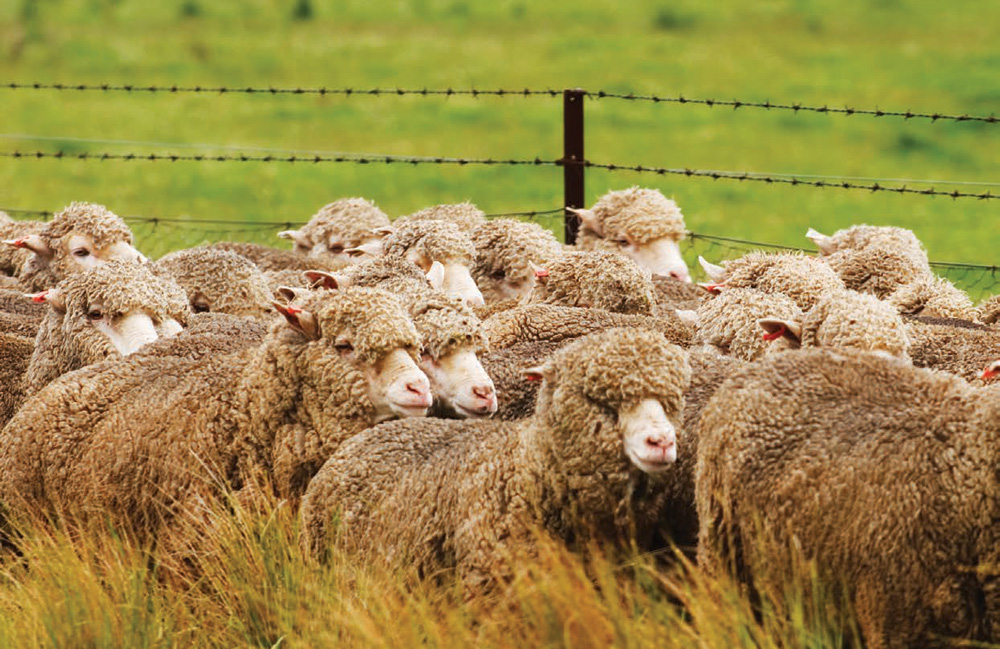
Wool was the backbone of farming in the early years and built up many strong region communities. And while wool growers are expected to see increased wool supply it could be at discounted prices amidst falling export demand. What wool growers expect from 2023 is shown on this link.
A major factor for local agriculture performance in 2023 will be the level of the Aussie dollar and for peace of mind, the retail sales value that farmland can obtain to support any increased borrowings for expansion of farm businesses.
The two charts below show the current value of each segment.